


If you’ve visited or lived in Minnesota for any amount of time, you’re probably experienced some level of “Minnesota Nice.”
Maybe it’s the stranger who starts a casual chat before holding the door open for you at the grocery store. The neighbor who mows your front lawn because they’re casually, “doing it anyway so why not?”
But it can also be the coworker saying “No worries!” while they quietly ponder how there’s any way their work will get done. Or the person who says, “That’s interesting,” to the disastrous guacamole you whipped up for the neighborhood potluck.
That’s the key component of Minnesota Nice: It can be both a genuine expression of kindness and also a way of avoiding uncomfortable conversations. PrairieCare’s Todd Archbold, LSW, MBA, brings his views on the topic as both a Minnesotan and a leader in the mental health space.
What You’ll Learn
- What is Minnesota Nice?
- How can Minnesota Nice strengthen community?
- When can being “nice” lead to emotional suppression or conflict avoidance?
- How can avoiding conflict affect our relationships?
- How can we practice honesty while still embracing Minnesota Nice?
Quick Read
Minnesota Nice describes a cultural tendency toward kindness, politeness, helpfulness, and consideration for others. These qualities can strengthen relationships and create a strong sense of community.
However, they can also make people hesitant to express difficult emotions, set boundaries, or address conflict directly, sometimes seen as being passive aggressive. The result can be emotional suppression, resentment, or difficulty asking for support.
A healthier version of Minnesota Nice balances kindness with honesty, allowing people to care for others while also expressing their own needs and feelings.
What Is Minnesota Nice?
Minnesota Nice is a term used to describe a collection of cultural behaviors and attitudes associated with Minnesotans, as well as the broader Midwest. Some experts theorize it’s originally tied to the history of Scandinavian settlers in the region. It’s often connected with obvious, outward expressions of politeness friendliness, helpfulness, humility, and community values.
In a way, Minnesota Nice isn’t entirely about being nice all the time. It reflects traditions that emphasized humility and cooperation, and Minnesota culture often discourages standing out or being overly assertive. That can make direct self-advocacy feel uncomfortable, even when speaking up would help.
Examples of Minnesota Nice
“To me, Minnesota Nice is real, and it begins with how we engage with people,” said Archbold. “It’s making eye contact, offering a smile, greeting someone and taking sincere interest in how they’re doing.”
These actions may seem small, yet they can often communicate to those around us that they are seen, acknowledged, and belong. For newcomers from other states, that first impression can feel welcoming, even if deeper friendships form more slowly.
Examples of Minnesota Nice can span a wide range of positive, natural behaviors, while some can have mixed messages. It might look like:
- Saying hello to a stranger with active, focused attention
- Not fully accepting comments when others thank you for accomplishing a task
- Helping someone who is struggling or just trying to make them more comfortable
- Being reserved or indirect when you don’t agree with something
- Avoiding a space altogether for the sake of inconveniencing others
So although this aspect of connecting with those around us can be positive, it can also have a flip side.
The Good Side of Minnesota Nice
As the examples can show, there’s definitely a good side and a not-so-great side to Minnesota Nice. Let’s dig into the positive sides and the parts that could use a bit of work for better mental health and personal well-being.
Kindness Can Bring People Together
When we think about the benefits of Minnesota Nice, kindness is probably the first thing that comes to mind. And kindness really does matter for mental health, as it can even reduce symptoms of anxiety and depression.
“People are kind everywhere, of course, but Minnesotans have a particularly visible way of expressing that kindness. We want people to feel acknowledged and welcomed,” said Archbold.
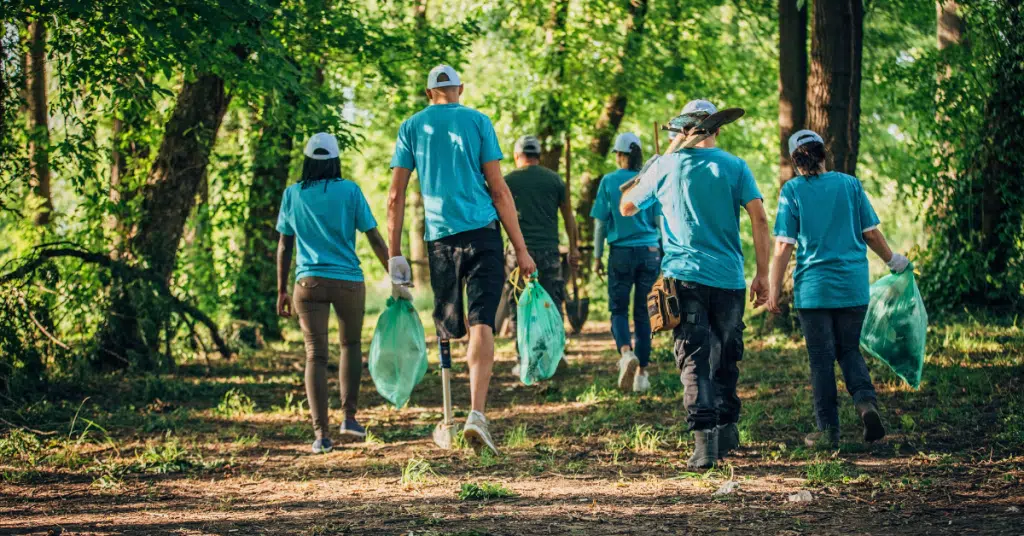
In fact, Minnesota has some of the highest rates of formal and informal volunteering in the country. Those acts of kindness, like making a tater tot hotdish for a neighbor recovering from surgery or organizing trash pickups after the snow melt, can improve people’s lives and are powerful gestures that say, “We’re all in this together.”
But even the small moments can make a difference, as Archbold explains: “A smile, a conversation with a neighbor, or an offer to lend a hand may seem insignificant, but those moments build familiarity and trust. Over time, that becomes the fabric of the community.”
Feeling connected to other people can provide a sense of belonging and remind us that we don’t have to navigate every challenge alone.
Minnesota Nice Can Encourage Empathy
Another aspect of Minnesota Nice is the emphasis on considering other people’s perspectives. If you notice someone is having a bad day, you may be more inclined to give them the benefit of the doubt. If there’s a noticeable problem, Minnesotans tend to step in without needing much convincing or anything in return.
“Minnesota Nice helps build strong communities because it keeps us in tune with one another and encourages a strong sense of empathy,” Archbold says. “This willingness to put ourselves in someone else’s shoes helps us understand when they might need support.”
That kind of awareness can be valuable for individual relationships as well as whole communities. But sometimes this empathy means avoiding our own needs altogether—we’ll get to that in a little bit.
Community Doesn’t Always Mean Agreement
No community will ever completely agree on every single dilemma. In Minnesota, though, people often share a meaningful willingness to help others even when they don’t entirely see eye to eye.
“Even when we disagree or feel frustrated with someone, we are often still willing to help them. I think there is something powerful in that. Community doesn’t require us to agree about everything; it asks us to continue recognizing one another’s humanity,” said Archbold.
That may be one of the key lessons of Minnesota Nice: We can disagree with someone but still care about their well-being.
When Minnesota Nice Isn’t So Nice
Of course, there’s a reason Minnesota Nice is known for having a less flattering side as well. The phrase can be used as a cultural stereotype to describe indirect communication, conflict avoidance, and an appearance of warmth that can hide tension or keep how we’re truly feeling. Some even describe that pattern more specifically as passive aggressiveness.
It can look like:
- Instead of fully describing why you disagree about something with a coworker, partner, or even a friend, we might say, “Well, that’s one way of looking at it.”
- Instead of saying, “Excuse me,” in a cramped space you’re trying to get through, you might just throw out a “Ope, I’m just going to scoot right past ya,” to minimize your presence to those around you.
- Instead of being transparent about bandwidth at your job, you may find yourself saying, “Sure, I can try to make that work.”
- And instead of addressing hurt feelings in the moment, some folks might just smile and walk away.
Sometimes this can be harmless—but there’s a difference between kindness and feeling like we aren’t allowed to be honest or take up space.
When ‘Grin and Bear It’ Becomes the Default
A potential downside of Minnesota Nice is the tendency to simply endure difficult situations without talking about them. For example, Minnesotans take a lot of pride in being hard workers, but we may also put our own well-being at risk if we don’t make time for play.
As Archbold puts it: “The other side of Minnesota Nice is our tendency to ‘grin and bear it.’ We may hide our anger, sadness, or frustration because we don’t want to burden anyone, create conflict, or make another person uncomfortable.”
This can look different for everyone, but it might mean not speaking up when you need extra help, or being frustrated with a partner but not bringing it up to avoid making things awkward. Over time, constantly suppressing those feelings can make it difficult to communicate your needs, even to those who genuinely want to help.
The Problem with Avoiding Conflict
Disagreements are normal and can even help us solve problems and establish healthy boundaries. When you avoid every difficult conversation, unnecessary resentment can build over time.
Minnesotans who strive to be always agreeable may be concerned with:
- Hurting someone’s feelings
- Creating tension
- Being perceived as rude or a burden
- Or even disappointing someone
But what happens when we’re so focused on keeping the peace that we don’t say what we actually need to say? Over time, these feelings can add up to passive-aggressive behavior.
Surface Level Check-Ins
“We’re asked, ‘How are you?’ and we answer, ‘Fine,’ because that usual exchange relies on familiar, polite words rather than honest disclosure—even when neither person is actually fine,” said Archbold.
Asking people how they’re doing can be a vital, even life-saving aspect of mental health. But these surface-level conversation patterns can make it difficult to break out of the expected conversation mold. Plus, it can be difficult to know what to say to someone when you’re aware that they’re battling depression or another health challenge.
A real talk often starts only when someone goes beyond the expected script. For those we care about, there’s nothing wrong with making room for an additional: “But how are you, really?” Remember: “Kindness is valuable, but kindness without honesty can create distance,” said Archbold.
How Minnesota Nice Can Affect Mental Health Well-Being and Conversations
Our cultural expectations can influence how comfortable we feel talking about mental health. When we’re focused on self-reliance, avoidance, and always thinking of others first, asking for help can feel nearly impossible.
You may have thoughts rolling around in your head that you can handle it all yourself, you don’t want to give others cause for concern, or you feel like it could make things “weird.” And, understandably, it’s hard to speak up.
But you certainly don’t need to handle symptoms of anxiety, depression, or trauma on your own. “Asking for help isn’t rejection of the self-reliance we often value—it’s an act of trust,” said Archbold.
It can be as straightforward as learning to say no when you’re feeling burnout on the horizon or when what you’re being asked to do isn’t aligned with your values. Remember, there’s support all around, whether it’s a friend, family member, or a mental health expert.
How to Keep the Kindness Without Hiding How You Feel
So, moving forward, we’re not getting rid of the whole Minnesota Nice concept. We’re just making room for some authenticity and prioritizing care for yourself as much as for others. Here are a few ways to get started:
- Ask one more question: Go beyond just “How are you?” Ask about important aspects of someone’s life and create space for honest answers.
- Listen instead of fixing: You don’t always need to offer immediate advice or take it all on yourself. Sometimes, simply listening and reassuring another person is exactly what they need.
- Practice assertive communication: No one is a better advocate than yourself. Express your feelings and boundaries clearly because without it you may end up hurting yourself and others in the process.
- Let yourself be vulnerable: Sharing when you’re having a hard time can be a huge relief. It can also help others open up. For all you know, you’re going through something similar and can be a healthy support system.
As Archbold puts it: “The best version of Minnesota Nice is not pretending everything is okay. It is creating the kind of community in which people know they don’t have to pretend.”
And maybe that’s what the phrase is truly about: not just being only being nice to one another, but supporting one another in meaningful ways.
PrairieCare’s Mental Health Experts in Minnesota
Minnesota Nice doesn’t have to mean avoiding your own relationship challenges, confidence struggles, or anxious thoughts. In fact, the nicest thing you could do for yourself is to acknowledge that you’re struggling and to get help. A mental health expert can give you the tools to be your own best advocate and maneuver life’s ups and downs while still keeping the best parts of “nice culture” alive.
PrairieCare is your local, trusted mental healthcare provider in the Twin Cities, Mankato, and Rochester, with telehealth options available. Our complimentary mental health screenings with our Minnesota team provide the first step in finding the right support for you or a loved one. Plus, our full continuum of care gives you the support you need wherever you are in your mental health journey.
Our services and programs include:
- Inpatient hospitalization for youth and young adults 35 and younger
- Partial Hospitalization Program (PHP) for all ages
- Intensive Outpatient Program (IOP) for all ages, including pregnant and postpartum people
- Clinic services for all ages
- Transcranial Magnetic Stimulation (TMS), an effective therapy option for qualified patients with treatment-resistant depression
- And more
If you’re not sure what you need, we can sort through your options with you. Our experts can be reached at 952-826-8475 and can answer any questions you may have. Or, fill out our form online, and our team will reach out. No matter what, you’ll get advice on the next steps.

Frequently Asked Questions
Is Minnesota Nice bad for your mental health?
- Minnesota Nice is not necessarily bad for your mental health; it’s more so part of the region’s culture. Still, there can be some additional layers of cultural expectations around how comfortable many Minnesotans are talking about how they truly feel. It does not directly cause mental health challenges, but avoiding difficult conversations or constantly suppressing emotions can make it harder to communicate when support or resolution is needed.
How does the pressure to be ‘nice’ contribute to emotional suppression?
- The pressure to be “nice” can make people feel like they should avoid conflict, discomfort, or burdening others. As a result, they may hide their own needs rather than expressing them honestly. Over time, constantly suppressing these feelings can make it harder to communicate needs, even with people who genuinely want to help.
What are the long-term effects of avoiding direct conflict in interpersonal relationships?
- Avoiding difficult conversations can allow resentment to build over time. When people repeatedly prioritize silence over expressing what they need, there won’t be conversations about feelings and boundaries. This can eventually contribute to distance in relationships.
Is Minnesota Nice a form of toxic positivity?
- Not necessarily. Minnesota Nice can reflect genuine kindness and empathy, but it can become unhealthy when being “nice” means suppressing difficult emotions, avoiding conflict, or pretending everything is okay.
How can I be kind while still being honest?
- Practice respectful, assertive communication instead of passive aggression. Express your feelings and needs directly, set appropriate boundaries, and remember that honesty doesn’t have to mean confrontation. You can care about someone’s feelings while still communicating your own.