


After over 10 years of anticipation, Grand Theft Auto VI (GTA 6) is finally bringing players back to Vice City. With its iconic open-world, crime-centric storyline, and the franchise’s signature over-the-top action and satire, GTA 6 is arguably one of the biggest game releases of all time.
Eight days before the game’s release, estimates suggest it has reached over $1 billion in sales. In a survey, about 12.5 million US adults said they plan to take PTO or adjust their schedules to play the new game. Excitement is at its peak and spreading beyond the gaming community.
Children and teens are fully caught up in the hype, seeing it on social media, hearing it from siblings and friends, and being exposed to the massive IRL marketing efforts. If you’re a parent, you might be wondering what this game is all about and whether you should allow your child to play it.
To help parents and caregivers navigate the excitement, child and adolescent psychiatrist Joshua Stein, MD, Chief of Medical Staff for PrairieCare, shares what families should know about GTA and how to make informed decisions about video games to support their child’s well-being.
What You’ll Learn
- What should parents know about GTA content?
- How do mature video games influence children’s mental health?
- Why does a child’s emotional development matter when evaluating content?
- What signs indicate a child is struggling with boundaries around gaming?
- What are practical ways parents can talk to their kid about gaming?
Quick Read
GTA 6’s mature themes go beyond violence and stealing cars. Parents should consider sexual content, substance use, provocative humor, and their child’s emotional readiness when deciding whether to allow it. Dr. Stein recommends learning about the game, discussing your child’s interests, and setting clear expectations around playtime, responsibilities, and online interactions.
Gaming can offer fun and connection, but disrupted sleep, declining schoolwork, withdrawal from other activities, or frequent conflict may signal a problem. Keep checking in, adjust boundaries as needed, and seek support if gaming interferes with your child’s daily life or well-being.
What Parents Should Know About Grand Theft Auto VI
Before deciding whether GTA 6 is appropriate for your child, it helps to understand what the game really is, the themes and topics it includes, and why it’s generated so much attention.
What Is GTA About?
Grand Theft Auto is a widely popular open-world action-adventure video game franchise developed by Rockstar Games. Each installment of the main game takes place in a fictional American city and follows characters involved in criminal activity.
Players can explore the game world freely while completing missions as part of the main storyline. The activities and missions often involve stealing cars (as the name suggests), using weapons, participating in drug trafficking, and engaging in other crimes.
The franchise is also known for its satire, poking fun at American culture, politics, media, and society. Players can encounter fictional radio stations, advertisements, and characters that reference real-world counterparts. These moments often rely heavily on stereotypes, humor, provocative situations, and over-the-top, bizarre conflicts that seem to spiral out of control.
GTA 6 is set in the fictional state of Leonida, with much of the action taking place in Vice City, inspired by Miami, Florida. The storyline follows the protagonists Lucia and Jason as they navigate the criminal underworld. Their relationship and criminal activities have led some to call them a modern-day Bonnie and Clyde, the infamous American crime duo.
Why Is GTA 6 Rated M for Mature?
The Entertainment Software Rating Board (ESRB) assigns video game and mobile app ratings to help North American consumers understand age-appropriate content. GTA 6 is rated M for Mature, meaning its content is generally intended for players who are ages 17 and older.
The rating summary of GTA 6 includes the following warnings: blood and gore, intense violence, mature humor, nudity, strong language, strong sexual content, and use of drugs and alcohol.
“When parents ask me about this game or other media, I often remind them that whether it’s an online platform, a game, or an app, when it has a mature rating, it’s rated that way for a distinct reason,” said Dr. Stein. “It’s like going to an R-rated movie with all the adult content that implies.”
Game ratings don’t just indicate that a player needs to be older to enjoy the game. Rather, they communicate why it may not be appropriate for younger audiences. ESRB ratings are a strong warning about whether a game is appropriate for your child.
What Makes GTA 6 Different From Other Video Games?
Unlike games that follow a more linear storyline, like The Last of Us or Tomb Raider, or multiplayer shooters like Fortnite or Call of Duty, GTA encourages and even motivates players to explore a massive interactive environment.
This means players may and likely will encounter mature content beyond the game’s already intense main storyline. The freedom to explore is certainly part of the appeal, but it also makes the game less predictable and makes it almost impossible to know what a player might encounter.
Dr. Stein encourages parents to look beyond the game’s reputation for violence and consider the range of what mature content can include: “Be aware that it’s a mature game for a reason, and that’s about more than violence or stealing cars. It also uses humor that plays into [racial and ethnic] stereotypes.”
Although GTA 6 will include only a single-player mode at launch, there hasn’t been an official announcement on whether the game will have an online component. This distinction is worth keeping in mind, as online gameplay introduces communication and interaction with other players, if the console is connected to an online subscription (e.g., Xbox Live/Network, PlayStation Plus).
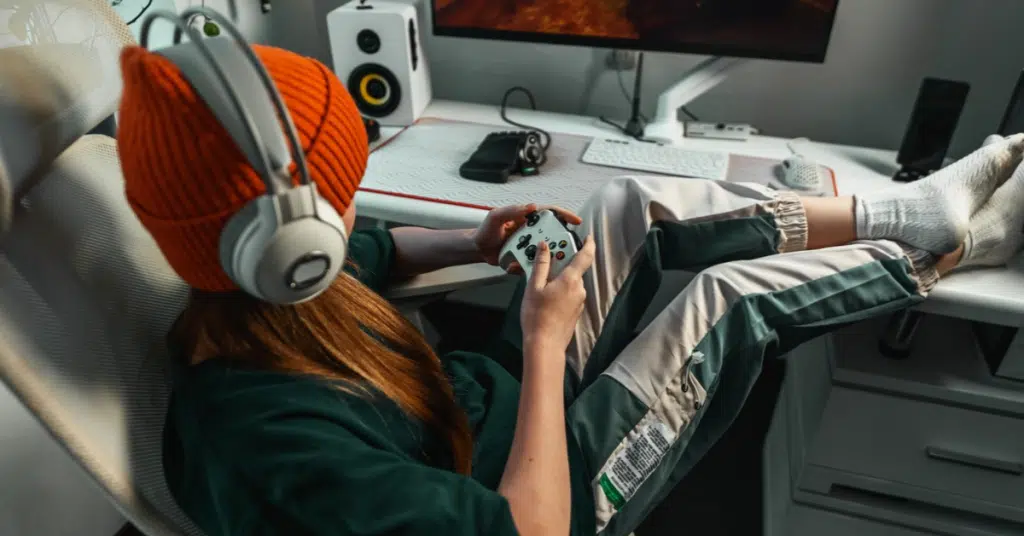
How Mature Video Games Can Affect Children’s Mental Health
There isn’t one definitive answer on whether video games are inherently good or bad for kids. But experts tend to agree that when setting limits on teen’s gaming, parents should consider their child’s past experience, levels of screen time, temperament, and other factors.
Understanding the Effects of Video Game Content
Ongoing research has examined whether time spent video gaming is connected to aggression, emotional responses, and behaviors. Gaming has also been blamed for tragic events, such as mass shootings and civil unrest, although these situations are influenced by a complex combination of circumstances.
A report from the American Psychological Association cites studies that show a consistent relationship between violent video games and increased aggression, but did not find gaming to be a direct cause of lethal violence. As far as mental health impacts, one research review shows a connection between excessive gaming and a higher risk of depression, self-harm, and suicidal ideation.
However, these results depend on the game’s content, social ties and connections outside of playing, and gender differences. In general, there’s no definitive evidence that video games singularly affect someone’s behavior or mental health.
Mature Video Games and Emotional Development
Children’s and teens’ brains are still developing. As a result, their ability to navigate relationships, conflict, decision-making, and social expectations isn’t the same as an adult’s. Some suggest that the video games they play may shape their perspectives and biases during this malleable period of development.
“When it comes to developmental maturity, we know that kids develop very differently,” said Dr. Stein. “Some are mature, thoughtful, and aware at young ages, while others take longer to get there.”
For that reason, it’s important to consider more than age when evaluating media. Knowing your child, having open conversations, and building a trusting relationship will provide insight when making a decision.
Gaming, Stress, and Emotional Regulation
For many people, gaming can be a way to unwind, connect with others, and even cope and regulate emotions. Gaming can be a stress reliever to a certain extent, although some studies show teen girls may have increased levels of stress after playing violent games. Having a healthy relationship with video games requires knowing your or your child’s limits.
“Some kids can handle gaming like Minecraft, apps, and other activities really well,” said Dr. Stein. “Some can get off their console if it’s time to stop. Other kids feel like they need to keep gaming more and more, almost as if they’re becoming dependent on it.”
When gaming consistently takes priority over responsibilities or real-life experiences, it can start to affect family relationships and the child’s well-being.
Signs that Gaming Is a Concern for a Child or Teen
A teen who enjoys video games on a regular basis doesn’t necessarily have an unhealthy relationship with gaming. But if gaming interferes with their daily life in a negative way, that’s a sign of a potential gaming disorder, which has been recognized as a mental health condition by the World Health Organization.
“If gaming starts to affect sleep, that’s problematic,” said Dr. Stein. “Whether it’s apps, games, social media, or AI, we know that when sleep is affected, whether kids are sleeping less or experiencing disrupted sleep related to these activities, it’s a concern.”
Other warning signs of problem gaming can include:
- Difficulty stopping or transitioning away from gaming
- Increased irritability or emotional distress when unable to play
- Frequent arguments and/or conflict surrounding gaming
- Declining school performance or keeping up with responsibilities like chores
- Losing interest in activities they enjoyed or withdrawing from friends
- Using gaming as the primary way to cope with difficult emotions
Keep in mind, these feelings may ebb and flow at times depending on what’s going on. For example, the huge release of GTA 6 may spark an intense need in teens to play, share it with friends, and even share the excitement with a parent.
That can be normal, Dr. Stein explains: “Most of us who have teenagers now played video games when we were kids. We’d spend a weekend at home, and we would just jam on it, and it would be a blast. I would expect your child to be pretty pumped and digging in quickly to this game. But if that continues and starts affecting their schoolwork, friendships, or activities, like hockey or theater, that’s a sign of concern.”
How to Decide If GTA 6 Is Appropriate for Your Child
Parents and guardians should consider their loved one’s experience and relationship with gaming, as well as their maturity.
Consider Your Child’s Age and Developmental Maturity
“While there’s a general recommendation of 17 and older [for mature games], there are certainly some kids, maybe the youngest of four who have grown up a little faster, for whom it may feel okay to bend some of the rules,” said Dr. Stein.
Consider whether your child can:
- Distinguish fictional situations and characters from real life
- Understand the difference between appropriate and harmful behavior
- Process intense situations or emotions
- Manage frustration and regulate their emotions in a healthy way
- Understand the potential consequences of their choices
This doesn’t mean parents should completely disregard media ratings. But keeping these additional considerations in mind can help them make decisions specific to their child, depending on the type of content they want to consume.
Consider Your Child’s Individual Mental Health and Experiences
A child’s emotional well-being and personal experiences may influence how they respond to almost any type of video game content, not just mature games.
For example, if a child has struggled with anxiety and is playing a game with lots of jump scares, they may feel more on edge and nervous than a peer might. Or if a child recently experienced the death of a loved one, a game that shows someone grieving may hit way too close to home.
Because video games can be so immersive, these tough moments can tap into existing feelings. Parents may want to consider these questions:
- How does your child respond to violent or scary media?
- Do certain themes or situations cause your child to experience noticeable stress?
- Does your child have trouble managing intense emotions?
- Is gaming already causing conflict at home or affecting their well-being?
Understand What Your Child Will Actually Experience
Take the time to go beyond the hype and review a game or other type of media for yourself.
To learn more, parents can:
- Review the ESRB rating and content descriptors
- Watch the game’s trailer to see how the game and characters are portrayed
- Pull up a YouTube walkthrough, or even a Twitch streamer to see real gameplay
- Read parent-focused reviews from resources such as Common Sense Media
- Research whether the game includes multiplayer or online features that allow you to talk to other players
Taking the time to learn the game will help parents have a more informed conversation while also connecting with their child’s interests, which can mean a lot to them and help the boundaries land better.
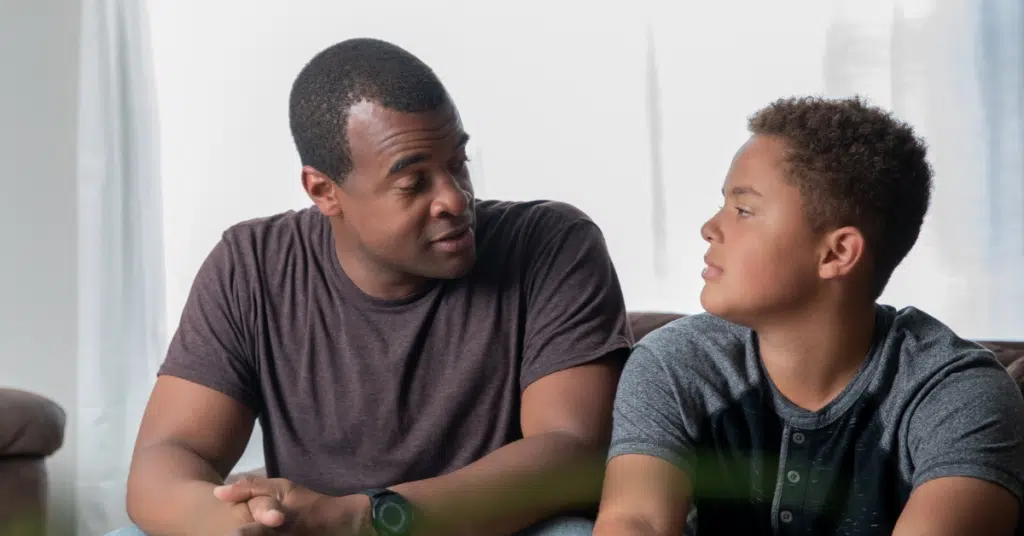
Tips for Parents on Navigating Video Games with Their Children
Whether or not a child wants to play a mature video game, it’s important for parents to set guidelines for how to approach gaming. Dr. Stein offered approaches parents can use for gaming in general and the new GTA release in particular.
Start With a Conversation, Not Just a Rule
“I think it’s worthwhile to have a conversation about what the game is and ask your child what they already know about it,” said Dr. Stein.
They might be drawn in by the new-release hype, the storyline, the gameplay itself, or simply wanting to be part of the excitement along with their friends. Giving kids space to express their interests helps you understand what they’re seeking from a game. But that doesn’t mean you have to agree to let them play.
“If a parent decides the game isn’t allowed, they should explain why in age-appropriate terms,” said Dr. Stein. “They can talk about how it doesn’t align with the value system in their family and explain that this is a thoughtful decision they’ve made.”
Try Playing the Game Together
If you’re a gamer and a new GTA comes out, you’re probably psyched to play it yourself. This could be an opportunity to play it alongside your child, so you know exactly what they’re seeing and can talk it through in the moment if needed.
It’s like choosing to watch an R-rated movie with your child—there may be scenes you need to discuss together, but that conversation can help build trust. As always, if it feels like too much, hit pause and take a break.
Recognize the Influence of Peer Pressure and Social Media
If parents decide not to allow their kids to play a game like GTA, they may have to deal with their kids’ disappointment and FOMO.
Dr. Stein recommends that parents acknowledge that a child may feel left out during this time. Try asking what their friends are saying about it or what they’re seeing online. It might spark an important conversation about peer pressure and making independent decisions vs. getting sucked into the hype.
Set Healthy Gaming Boundaries
“Have a clear, direct conversation with your child about your expectations around their gaming,” Dr. Stein recommends. “Ultimately, their choices and actions will determine whether they continue to have access to it and get to play it with the same intensity.”
Setting expectations ahead of time can prevent confusion and make it easier for parents to address concerns if boundaries are crossed or gaming becomes a well-being concern.
For example:
- Create a clear time limit for how long a child can play certain games or be on their device
- Prioritize activities that are important to their routine, such as sleep or reading
- Set expectations around online interactions with other players and protecting privacy
- Use parental controls to block certain features and content
- Establish clear expectations about responsibilities, like schoolwork and family time
Deciding on boundaries as a family helps provide a clear path for what’s expected and when they’re crossing the line.
Keep Checking In with Your Child Over Time
Your child’s interests, maturity, experiences, and needs change over time. Meanwhile, technology keeps evolving, and new games are always being created. Revisiting expectations is essential.
If your child is isolating more often, experiencing frustration or increased swearing, losing interest in activities they once enjoyed, or showing changes in sleep or appetite, it’s time to get support.
Mental Health Services for All Ages in Minnesota
Video games can be a source of connection and pure excitement, but without proper boundaries, they can spiral into a range of problems. If gaming has evolved into a problem for your child or family, or a teen’s mental health challenges have become more apparent with increased gaming, reach out today.
PrairieCare has a full range of services and programs for people of all ages across the Twin Cities, Mankato, and Rochester. Our team has extensive expertise in teen mental health and can guide families through these challenges. You don’t need to figure everything out on your own.
Call our team today at 952-826-8475 to explore services for your child’s situation, get your questions answered, and find a path forward. You can also request a mental health screening by phone by filling out the form using the button below.

FAQ
Is GTA 6 appropriate for 13-year-olds?
- GTA 6 is rated M for Mature, meaning it is intended for players ages 17 and older. It contains graphic violence, sexual content, strong language, and drug and alcohol use, which may not be appropriate for younger audiences. Parents should consider their child’s emotional maturity and ability to process mature themes before deciding.
Why is GTA 6 rated M for Mature?
- GTA 6 received an M rating from the ESRB for blood and gore, intense violence, mature humor, nudity, strong language, sexual content, and drug and alcohol use. Its open-world format also exposes players to mature situations beyond the main storyline.
How much gaming is too much for a teenager?
- There isn’t a specific number of hours that applies to every teen. Gaming becomes a red flag when it interferes with sleep, schoolwork, responsibilities, friendships, or other activities. Difficulty stopping or frequent conflict over gaming may also signal a need for boundaries.
What are the signs of problem gaming in children?
- Signs of problem gaming include difficulty stopping, irritability when unable to play, frequent arguments about gaming, declining school performance, losing interest in other activities or friendships, and changes in sleep. Using gaming as the primary way to cope with difficult emotions may also be a warning sign.
Should parents let their children play mature-rated video games?
- Parents should consider ESRB ratings alongside their child’s maturity, emotional well-being, and gaming experience. Reviewing gameplay, discussing mature content, and establishing clear boundaries can help families make informed decisions. Ultimately, parents should consider their family’s values and what’s appropriate for their child.