

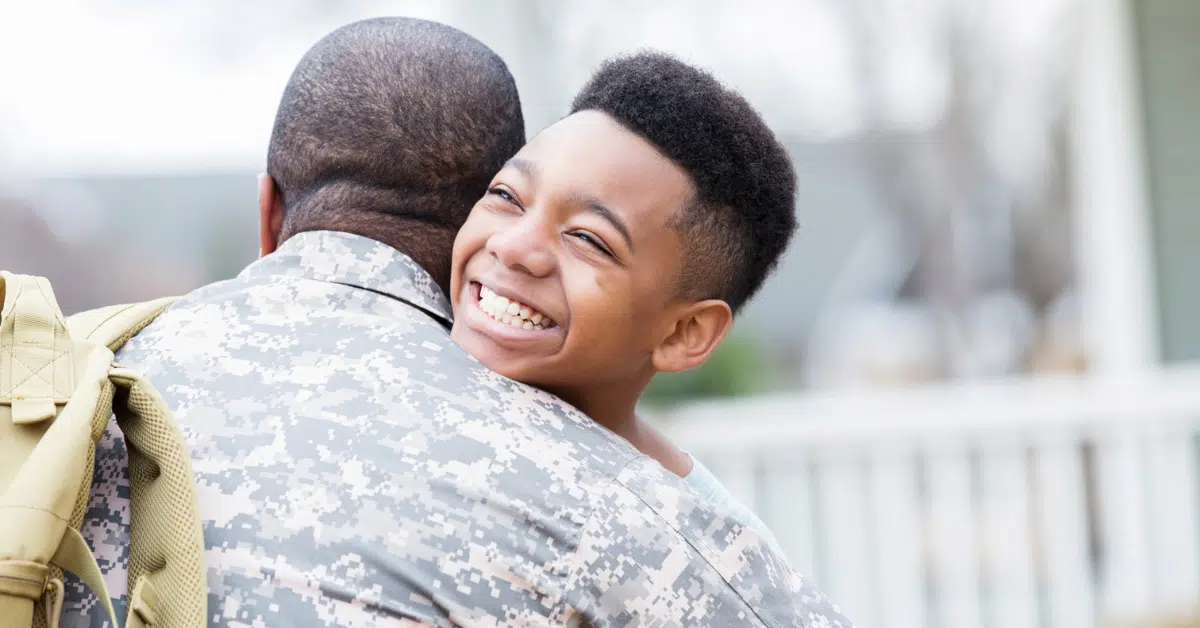
Military life is not for the faint of heart. Serving our country is brave and worthy, but it comes with risk, upheaval, and uncertainty. From navigating frequent moves to adjusting to new schools, to the stress of extended deployments, military life can have a tremendous impact on children and teens’ mental health.
As a military parent, you can help your child navigate the difficult moments and life transitions that come with growing up in a military family. Moreover, it is important to be aware of the signs and symptoms of mental health conditions, such as anxiety, depression, and PTSD, so you can recognize when your child may need support from a mental health professional.
What You’ll Learn
- How does military life affect children’s mental health?
- What barriers do military families face when seeking mental healthcare?
- What signs may indicate that a child or teen needs mental health support?
- How can parents help children cope with deployments, moves, and school changes?
Quick Read
Military life can strain children’s mental health, particularly during adolescence. Research links these pressures to greater psychological and behavioral risks, while noting barriers to treatment such as provider shortages, referral difficulties, and waitlists.
Parents can help by maintaining routines, preparing children for deployment, encouraging healthy coping skills, and listening while allowing space to adjust. Warning signs include persistent sadness, withdrawal, sleep or appetite changes, declining school performance, and suicidal thoughts.
What Is Military Family Syndrome?
Growing up in a military family comes with well-documented challenges. The term “military family syndrome” was coined following the Vietnam War to describe the behavioral and psychosocial problems of children of deployed parents, as well as the effects of deployment on the relationship between the child and the parent remaining at home.
There are more than 1.6 million military children, or “military brats” (a term used as a badge of honor) in the US. Each military child faces the prospect of a parent’s deployment, relocation, or parental divorce. Military members have the highest divorce rate of any career field at roughly 4.8 percent, compared to the national average of 2.5 percent.
A study on the effects of parental military service and deployment on the well-being of children found that children in military families have a much higher risk for negative psychological, social, and behavioral health outcomes than children raised in civilian households. Of early, middle, and late childhood age groups, adolescents in military families showed the highest risk for mental health issues, particularly concerning suicidal ideation and suicidal behaviors.
Additionally, a comprehensive report by Blue Star Families, in collaboration with Syracuse University, found that military family quality of life is a top concern for 25 percent of active-duty respondents. Major contributors include instability and inconsistency in daily life, including time with children and family, relocation frequency and difficulties, and time away from family.
Other key findings from the report include:
- 43 percent rated at least one of their children’s mental health as fair, poor, or very poor, while 41 percent indicated their oldest child faced greater challenges
- 23 percent with at least one child enrolled in grades K-12 reported that at least one child was currently receiving mental health care
- 21 percent of families are concerned that a mental health diagnosis could impact their child’s chance for future military service
Military Family Barriers to Behavioral Healthcare
Access to quality mental healthcare is a concern among military families. The Blue Start report notes that 16 percent of families with at least one child in grades K-12 said they would like their child to receive mental healthcare, but they face barriers, including:
- Finding an available provider
- Difficulty getting referrals
- Access to childcare for other children during appointments
- Delays to care due to being waitlisted for services with a provider
Why Mental Healthcare Is Important
Underlying mental health issues can significantly impact a child or teen’s ability to thrive in their environment—at home, school, and in their friend groups. Left untreated, mental health conditions can quickly lead to self-destructive coping behaviors, such as substance use. Depression, which impacts 20 percent of teens, is associated with higher rates of self-harm, substance use, and suicidal behaviors.
Signs of Mental Health Issues in Adolescents
- Persistent sadness, hopelessness, mood swings, or extreme highs and lows
- Difficulty sleeping or sleeping too much
- Changes in appetite and eating habits
- Suicidal thoughts
- Social isolation
- Trouble concentrating
- Stomachaches, headaches, or digestive problems without a clear cause
- A decline in personal hygiene or appearance
- Poor grades or behavioral issues at school

How to Support a Military Child
The mobile nature of the military lifestyle can uproot families every two to three years, according to the U.S. Department of Defense. This constant change can undermine a child’s sense of stability and make it difficult to build lasting friendships. As a military parent, you can help your child make these transitions with the support and love they need.
Maintain Consistent Routines
With all the unpredictability that comes with military service, maintaining a sense of normalcy and routine at home helps children feel safe and secure. A structured routine, including family mealtimes, consistent bedtimes, and regular family time, can go a long way toward helping children feel grounded during tumultuous times.
Prepare Children for Deployment
The prospect of a parent deployment can be overwhelming to a child or teen, especially if the deployment is in dangerous territory. Military OneSource, a military family support resource, offers the following tips for helping teens with an upcoming parent deployment:
- Have a family discussion. Talk openly with your teen about how the deployment may affect the whole family. Discuss any possible changes to their routine and responsibilities. Address any fears and concerns they may have.
- One-on-one time before deployment. Schedule some quality one-on-one time for the deploying parent and teen. During this time, encourage your teen to share their feelings about the challenges ahead.
- Help your teen manage stress. Developing healthy coping skills is essential for teens during stressful times. Suggest positive ways they can manage their anxiety, such as journaling, listening to music, or exercising.
- Remind teens they are not alone. Encourage your teen to join family gatherings, military youth programs, and school activities. Keeping busy in productive, positive ways can take their mind off the many changes happening in their lives.
- Exchange keepsakes. Share pictures, notes, recordings, or other special items that remind you of each other.
Practice Self-Care
Self-care matters for your child during this time, but it’s also critical for you as a military parent, whether you are the service member or the spouse. You know the saying, “you can’t pour from an empty cup.” It’s true! Moving to a new community, extended periods of separation, and the uncertainty that comes with a military lifestyle can take a toll on the whole family.
Staying strong for your children means investing in yourself with activities that support your well-being. Building friendships with other spouses on base, joining activities such as an art or workout class, or simply going for daily walks can keep your mind in a positive space. Practicing self-care also models for your child that prioritizing your mental health matters.
Provide Reassurance
Whether it’s a deployment, another base transfer, or a school change, reassure your child that your family will adjust together to the new environment. Stay positive and keep them involved throughout the process. Also, emphasize the exciting parts of change, like learning about new places and meeting new people. This could include researching your new city to discover new restaurants or nearby parks for outdoor family time. You can show them all of the fun new activities available to them on base and in their new community. Building excitement early on can help mitigate some of the stress and anxiety they are likely feeling.
Listen and Give Space
Your child may have many questions or need space during this transition, whether it’s starting a new school or preparing for deployment. Answer their questions as best you can, and be patient with yourself and your children during this time. Let everyone express their feelings, and give them the time they need to adjust to upcoming changes. Help them build healthy coping strategies to deal with their emotions so they don’t resort to self-destructive behaviors to soothe their pain.
Mental Health Support for Kids and Families in Minnesota
If you are concerned about your or your child’s mental health, PrairieCare can help. Our teams include doctors, nurses, therapists, and more, who deliver comprehensive and compassionate care wherever you or your child are in your recovery journey,
PrairieCare offers a full continuum of care options across Minnesota, with a complimentary screening to help you get started. Our team can guide you through the admissions process and help you determine the most appropriate level of care, even if it’s outside our care.
Call us today at 952-826-8475 to get started, get your questions answered, or learn more. You can also request a complimentary screening using the button below.

Sources
- J Child Fam Stud. 2024 May; 1573–2843.
- 2021 Military Family Lifestyle Survey Comprehensive Report