

All parents know that raising kids is a near-constant activity that rarely, if ever, allows for breaks or down time—but they also know that being directly involved in supporting your child as they explore their own path in life is truly rewarding. If you consider yourself especially attuned to your child’s emotions and interests, you might be an active parent. Active parents raise kids in an environment that is safe, supportive, and caring, where they feel valued and can develop age-appropriate levels of independence.
Active parenting enables children to develop secure emotional attachments because they always feel safe, supported, and understood by their parents (well, at least most of the time). Read on to learn from experts what active parenting looks like—its pros and cons, plus tips to become a more active parent.
What is Active Parenting?
Active parenting is an approach that emphasizes open communication with kids, while also demanding that parents create structure and routine in their kids lives. Parents guide their kids, consistently encouraging and engaging with them on a personal, heartfelt level. Active parents are not necessarily controlling, but they do have a consistent presence in their kids’ lives, so that they always feel supported.
Active parenting “shapes a child’s emotional security, self-esteem, and resilience,” Sogand Ghassemi, MD, Director of Perinatal Program Services, Child, Adolescent, and Adult Psychiatrist at PrairieCare, explains.
Children thrive when they feel supported. Research indicates that strong, responsive relationships with parents in early childhood, creating secure attachment, fosters better social and emotional regulation.
Parents who practice active parenting tend to be tuned into their children, engage in active play, and are openly affectionate.
Examples of Active Parenting
- Showing up for your kids. This can look like attending their sports games, or taking them to ballet practice, demonstrating your support for their passions.
- Attunement to their emotions. Active parents tend to be aware of their children’s emotional state, validating their reasons for being upset, happy, or angry, and responding with empathy.
- Allowing kids’ involvement in big decisions. Active parenting stresses the importance of autonomy, allowing kids to develop their independent voices, which means that when it comes to deciding where they want to go school, what they want to wear, or where they want to go on vacation, kids have a say.
Active Parenting Traits
Here are some key features of an active parent:
- Active parents tend to set boundaries with kindness and respect, says Grace Lautman, LMHC at Honor Nutrition & Counseling. Boundaries that consider children’s mental health allow kids to develop their own sense of right and wrong.
- Active parents tend to be involved in their children’s lives, tuning into their emotional needs.
- Expressions of empathy and affection are key in active parenting. “Physical touch and emotional validation are linked to secure attachment,” says Dr. Ghassemi.
- Active parents encourage open communication in their families, which enhances a child’s social-emotional skills.
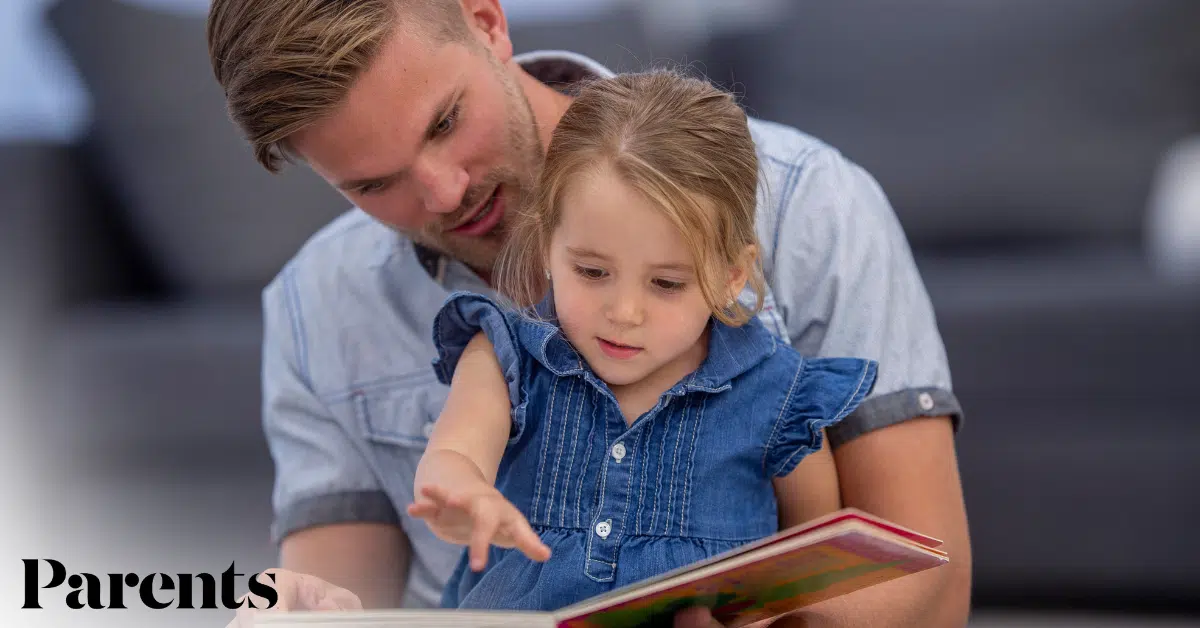
- Reading to your child is another trait of active parenting, adding to language acquisition and strengthening the parent-child bond.
Pros of Active Parenting
Though active parenting can be challenging to maintain since it requires a high level of engagement and taking a constant interest in your child’s development, Lautman says the parenting style is rare in that it will pretty much only confer lifelong benefits onto your child.
“Kids benefit from active parenting by having a foundation for healthy relationships that actually feel good. And while it takes intention and energy to stay tuned into a kid in this way, over time the consistency typically adds to more ease for parents, improving their mental health too,” she explains.
Active parenting strengthens the parent-child bond, increases kids’ emotional resilience, and encourages autonomy. Interestingly, active parenting also seems to lead to better academic and social outcomes.3
“Supportive parenting correlates with better school performance and lower risk-taking behaviors,” Dr. Ghassemi adds.
Cons of Active Parenting
Active parenting relies on consistent involvement of the parent in a child’s life. And while this is overall a good thing, it can be a challenge to maintain not so much for kids, but for caregivers, who should keep in mind that active parenting can be tiring and even lead to burnout if they don’t try to also prioritize self-care for themselves.
Sometimes parents can struggle with the energy demands of active parenting, says Dr. Ghassemi, because it requires significant effort on the parents’ part. It’s easy to become overwhelmed, and the output of energy can be difficult for busy parents.
Active parenting can sometimes spiral into helicopter parenting, which hinders a child’s independence, leads to low self-esteem and anxiety, and deprives them of the tools they need to solve problems on their own. In addition, parents who are too strict might even end up with kids who are extra rebellious. So active parents should be cognizant of that trying to control or relentlessly monitor their child could quickly backfire.
Tips for Being an Active Parent
Active parenting requires day-to-day effort on a parent’s part. Here are some tips from the experts on becoming an active parent.
- Practice active listening. While it can be easy to tune out a child’s rambling, active parenting requires a level of attunement to their interests, so your child feels heard and understood. This allows children to express their emotions—ultimately leading to secure attachment and emotional intelligence—so when your child wants to talk to you, try to make an effort to give them your full attention.
- Encourage independence. Allowing your children to make age-appropriate decisions can foster their autonomy, and take the burden off of parents in the long run when their kids are able to problem solve and make challenging decisions on their own.
- Model emotional regulation. Children learn how to manage stress and difficult emotions by looking to parents, Dr. Ghassemi explains. It’s hard to take a breath sometimes when you’re feeling upset, but stepping back from an emotionally fraught situation can help your children both see and feel what to do when emotions are running high. Show your child how to respond to big feelings like anger and sadness in a productive, healthy manner—then be sure to talk through those feelings so they feel validated, rather than dismissed, by their parents.
- Be consistent with boundaries. Boundaries are key to active parenting because they reduce parental stress and allow kids to understand routine and ground rules for the family and household. Kids feel a sense of security when they know what to expect from their caregivers—while on the flip side constant instability can make them feel anxious.
- Be gentle with yourself. Active parenting is a learning process that parents can’t be expected to master right away, especially since it requires so much active, intentional engagement with your children. Give yourself grace during this process, says Lautman. In particular, parents who were not raised with active parents might find it occasionally difficult to constantly engage with their children, and might cause them to feel overwhelmed or touched out at times. Expect to make mistakes, and forgive yourself—the most important thing is to keep trying the active parent you know your child deserves.
Originally published in Parents.