


Winter has a way of dulling our senses, and for some, it can dim their sense of self. Wardrobes turn purely practical. Your home turns grayer. But winter doesn’t need to be a joyless void; it just needs a rebrand.
Enter dopamine styling: part mood support, part creative rebellion, and all about self-expression. It uses clothing and decor as tools to spark energy, comfort, and healthy reflection—especially during the coldest months of the year.
In a season that often makes us conform to the “brrr” and “bleh,” dopamine decor and dressing invite us to listen to what we truly need, rather than following short-lived trends that don’t feel like us. Learn how dopamine styling can help you embrace a joy-centered journey this winter.
What You’ll Learn
- What is dopamine styling?
- Why does dopamine matter to mental health?
- How does dopamine decor and dressing can boost your mood?
- How can you start dopamine styling?
Quick Read
Winter can drain energy and dull both our surroundings and our sense of self. Dopamine styling offers a refreshing way to reclaim joy and creativity through intentional choices in clothing and home decor. It can be a personal tool for comfort, motivation, and mental wellness during the cold months.
This approach is rooted in science: Dopamine, a key neurotransmitter, drives motivation and reward, and our brains respond positively to beauty, color, and meaningful symbols—whether found in a bright sweater or a lively room. Incorporating elements like bold colors, playful patterns, or cozy textures can stimulate the brain, helping counter winter’s low mood and lack of motivation.
Starting dopamine styling is simple and flexible. Small steps like adding a colorful throw pillow or wearing a favorite accessory can make a big difference in how you feel. It’s not about perfection or spending money, but about creating spaces and outfits that support you emotionally. Embracing dopamine decor and dressing invites you to express yourself and boost your mental health, one joyful choice at a time.
What Is Dopamine Styling?
Dopamine styling is an intentional approach to bringing joy, creativity, and emotional support into everyday life through how you dress and how you design your space. While it’s often associated with bright colors, mixed patterns, and bold design choices, the heart of dopamine styling is deeply personal. It’s about choosing what feels emotionally supportive to you.
Whether you feel most grounded in an all-black outfit with silver accessories or energized by a colorful, pattern filled room, dopamine styling centers comfort, creativity, and meaning over external pressures.
Research supports this connection. When people perceive something as beautiful—such as a breathtaking piece of artwork—the brain’s reward system becomes more active. Clothing can influence mental processes through enclothed cognition—in other words, the symbolic meaning of what you wear can affect mood, confidence, and focus.
The goal of dopamine styling is not perfectionism or constant positivity. It’s about letting go of pressure and surrounding yourself with what supports you, even in small ways.
Why Dopamine Matters for Mental Health
Dopamine is a neurotransmitter that plays a key role in motivation, attention, focus, and reward. While it’s often referred to as the “feel-good” hormone, dopamine is more accurately the desire or drive to seek out needs, experiences, and meaning. As Mental Health America explains, dopamine connects feelings of pleasure to motivate action.
Because our brain is wired to seek dopamine, reaching for quick hits, like doomscrolling or high-sugar foods, can become habit forming. These behaviors provide a large dose of dopamine but often hurt mental health in the long term.
Dopamine is also involved in several mental health disorders, including attention deficit hyperactivity disorder (ADHD), depression, and schizophrenia. In some cases, dopamine-based medications are used to address specific challenges, such as cognitive motivation for students with ADHD.
Seasonal changes can also further complicate how people feel. In fact, 52% of Midwesterners reported feeling a decline in mood during the winter months, which is sometimes related to lower levels of neurotransmitters, including dopamine. Increased procrastination, less energy, or a general sense of “meh” are common. While these feelings are understandable, there are also gently, healthy ways to push back: dopamine dressing and decor.
Why Dopamine Styling Can Matter More in Winter
Depending on your location, the winter season can come and go quickly—or it can drag on endlessly. Research shows that weather can impact our mood and emotional well-being in ways we might not even recognize, making us less motivated to do just about anything, from socializing to going to the gym—which in turn further impacts our mental health.
Reduced sunlight also affects serotonin production and disrupts circadian rhythms, including sleep, mood, and focus. It’s no wonder that the American Academy of Family Physicians reports that around 5 percent of people in the US suffer from winter-onset Seasonal Affective Disorder.
During this season, both our environment and wardrobes tend to feel more functional and muted. Spaces may seem darker and colder. We tend to prioritize warmth over self-expression in what we wear. Dopamine styling offers a way to reintroduce intentional joy and sensory support without making dramatic changes.
What Is Dopamine Decor?
Dopamine decor is a design approach that encourages joyful, expressive spaces that support emotional well-being. While soft, neutral colors, and even Millennial gray dominated the COVID-19 era, by 2021, people were done staring at the same boring beige walls and gray laminate floors.
That’s why dopamine décor had a reemergence. It’s a design movement that encourages people to create joyful, vibrant, and uplifting spaces to improve mood and well-being.
The trend took off, now ranking sixth on TikTok’s interior trends with over 34 million posts focused on key themes, such as:
- Using bold, bright colors to create an energetic and cheerful atmosphere
- Mixing different styles, patterns, textures, and textiles
- Incorporating whimsical or playful decor items, such as quirky art pieces, fun furniture, or unexpected accessories to create a unique vibe
- Showcasing personal and meaningful to make spaces reflect what’s important to you
There are no rules, only intention. The trend is about creating a space that makes you feel safe, energized, and comforted when you enter the room. Examples of dopamine decor can include:
- Using lamps throughout your space instead of a single overhead light to create a warmer, more calming atmosphere
- Decorating with potted plants or fresh flowers to bring mood-boosting elements of nature indoors
- Incorporating aromatherapy with a cute candle, such as lavender, to support the mood you want your space to evoke
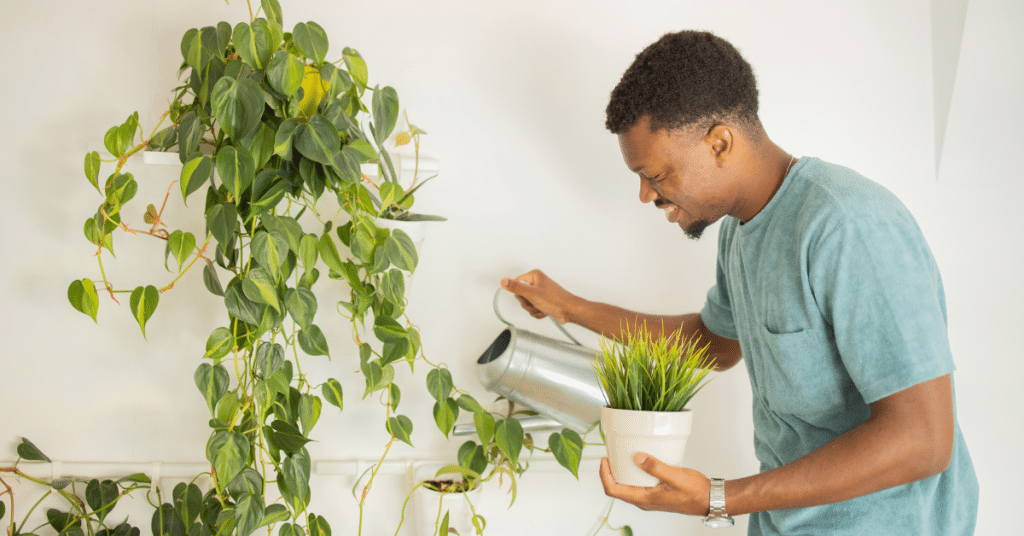
Ways Dopamine Decor Can Support Mood
Overall, dopamine decor is about expressing yourself. From putting together your design concept, to putting it all together, to admiring the finished product, each step can boost your mood, reduce anxiety, and provide a sense of accomplishment.
Here are a just a few ways dopamine supports mood:
- Flexes your creative muscle, allowing you to test out new colors, styles, and furniture arrangements
- Stimulates your brain by giving you something fun to plan and work on
- Reduces anxiety by giving you a space that’s personalized and makes you feel good
- Promotes safety, comfort, and a sense of control
The best part about dopamine decor? There’s zero pressure to follow trends or spend a ton of cash. You get to pick what feels right for your vibe, energy, and budget, making it a fun and stress-free way to express yourself.
What Is Dopamine Dressing?
While dopamine decor focuses on your environment, dopamine dressing is an outward expression of who you are, what feels comfortable, and how you move through the world. Clothing is more than functional; it can be a strong form of self-expression that influences mood, comfort, and confidence.
In winter, wardrobes often become purely practical. Heavy layers, muted colors, and your old pair of gloves can make days blur together. Over time, this loss of personal expression can contribute to feeling emotionally flat, especially when skies are gray, temperatures are cold, and nature lies dormant.
Dopamine dressing reframes clothing, accessories, and styling as tools for emotional support. Rather than dressing on autopilot, it encourages you to ask: What does my body need today?
Examples of dopamine dressing include:
- Throwing on a rainbow sweater to give yourself an additional burst of bright joy even before the long workday begins
- Opting for soft, loose joggers on cold days when your body needs extra comfort, like on a pain flare-up day
- Stacking necklaces over a neutral outfit to add a hint of sparkle and personality to an everyday look
- Clipping on a sensory-friendly accessory, like a fidget keychain to your bag, to give your hands something soothing to do, calming the nervous system
- Mixing textures and patterns from your closet to find new, fun outfits for times that deserve a little extra flair, like a concert or dinner with friends
How Dopamine Dressing Supports Mental Well-Being
Intentional dressing as a form of self-care supports your mental well-being through expression, comfort, and self-compassion. Dopamine dressing can be especially helpful in the winter because it:
- Encourages creativity and self-expression during a season that can feel restrictive
- Creates a small daily habit that can shift mindset, even on low-energy days
- Helps counter emotional numbness and low mood through positive stimulation
- Supports confidence and exploration, reminding you that self-expression is allowed year round
While you can’t change the weather, you can influence how you approach the things you have within control. One of the most empowering aspects of dopamine styling is that it can be started anytime and adapted to your needs, because that flexibility is the whole point.

How to Apply Dopamine Decor and Dressing Without Overwhelm
Dopamine decor and dopamine dressing are meant to support mental well-being, not add pressure. Rather than chasing a color trend every few months or dramatic transformations, this approach invites small, intentional choices that help you feel more like yourself.
Here are a few ways to get started in a mentally healthy way.
Reflect
Start by checking in with yourself. Ask what makes you feel good and what you might be missing emotionally or even physically right now. Are you craving confidence, playfulness, coziness, calm, grounding, or energy? Consider how your clothes or space could act as emotional support throughout the day.
- Dopamine dressing example: If you want to feel more confident, that might mean wearing a bold color, a structured jacket, or a favorite accessory you usually save for special days.
- Dopamine decor example: Maybe the lighting at your office contributes to work anxiety. Exploring light covers or shades in your workspace may introduce a sense of calm.
Experiment
This phase is about curiosity, not commitment. You do not have to overhaul your wardrobe or redecorate an entire room to feel a boost. Try one small change at a time and notice how it affects your mood. Using what you already own makes experimentation more accessible and removes financial pressure.
- Dopamine dressing example: Wear one bright or playful piece with an otherwise neutral outfit or mix fabrics and patterns you wouldn’t normally pair. And yes, it can just be at home before you go out in public.
- Dopamine decor example: Introduce bold colors in subtle ways at first to see what sticks. Add throw pillows, rugs, and artwork that can easily be changed out until you find the right fit.
Set a goal
A gentle structure can help turn joy into a habit without turning it into a chore. Keep goals realistic and flexible, remembering that progress is measured by how you feel.
- Dopamine dressing example: Maybe you find that doing your makeup allows you to embrace your creative side and has become a stress reliever. Set one day to give yourself the proper amount of time to make it a reality.
- Dopamine decor example: Don’t overwhelm yourself trying to change every room in your house. If you work at home, for example, start with your office, since you spend the most time there.
Try everyday expressions
Often, the easiest changes are the ones that build on what is already there. Small adjustments can bring novelty and intention without requiring extra time or effort.
- Dopamine dressing example: Let’s say you work somewhere with a dress code. Adding a quirky pair of socks can still be a small addition of individualism that you know is there while still complying with guidelines.
- Dopamine decor example: Rearranging furniture can do wonders for the look of a room and how you feel about it. Play around with the layout and existing decor and artwork to create a new space at no cost.
Find community
Style exploration becomes more sustainable when you feel seen and supported. Whether you’re drawn to corporate goth, cozy earth tones, or full-spectrum color, there is likely a community that shares your interest.
- Dopamine dressing example: Follow creators online, like on Pinterest, who reflect your style, to get ideas or share positive outfit pieces that spark joy. Or thrift with friends who share similar interests to make a fun afternoon that supports connection and authenticity.
- Dopamine decor example: It’s okay to ditch popular trends and develop your own style. Once you search decor items that speak to you, your algorithm will listen.
Above all, remember that the goal of dopamine decor and dressing is to break out of the monotony with joy, not to perfect your appearance or space. If it starts to feel overwhelming, it’s okay to pause, simplify, and return to the practices that feel most supportive to you.
Self-Expression as a Mental Health Tool
Expressing yourself through dopamine styling, art, or even tattoos can be a meaningful role in exploring who you are, healing from life’s challenges, and building confidence. All forms of self-expression contribute to mental wellness, but they are not substitutes for professional mental health care.
If you or a loved one is experiencing persistent low mood, increased anxiety, changes in sleep or appetite, or difficulty functioning in daily life, reaching out to a professional is an important step. Talk therapy, psychoeducation, or medication management can truly make a difference.
Mental Health Support in Minnesota
At PrairieCare, we understand how seasonal changes can affect mood and well-being. If you or a loved one are struggling, whether with winter blues, anxiety, depression or other mental health concerns, our team can help.
We offer a full continuum of care options across Minnesota for individuals of all ages. With an extensive network of mental health professionals, we provide compassionate, evidence-based support so you can focus on healing.
Winter can be harsh, but you don’t have to navigate it alone. Take the first step by calling our team at 952-826-8475 or by using the button below to request a complimentary care questionnaire.

Sources
- Front Public Health. 2025 Jul; 13: 1553315.
- American Psychiatric Association, Healthy Minds Monthly Poll 2024
- J Experimental Social Psychol. 2021 July; 48(4): 918–925.
- Cell Mol Neurobiol. 2019 Jan; 39(1): 31–59.
- Am Fam Physician. 2012; 86(11): 1037–1041.
- PLoS ONE. 2011; 6(7): e21852.