


Feeling left out, excluded, or rejected can be incredibly painful. We all experience it at one time or another, but it still hurts. On the worst days, it can seem like everyone else is doing well, having fun, or enjoying life—without you.
But feeling left out may be less about your relationships with others and more about what’s going on inside you. Feeling excluded and not valued can be a symptom of anxiety, depression, or another mental health condition.
In this article, we’ll help you understand what you’re going through and learn healthy ways to cope with feelings of loneliness and isolation.
What You’ll Learn
- Why is feeling left out so painful?
- In what ways does feeling left out impact your mental health?
- How can I cope with the pain of feeling unwanted?
- How can treatment help with feeling left out?
Quick Read
Feeling left out is a common experience, but it can be deeply painful. It stems in part from our inherent need for social connection, which is vital for our survival and well-being. When excluded, we may perceive it as a personal rejection, triggering feelings of loneliness and isolation.
Moreover, mental health issues can exacerbate feelings of being unwanted. Conditions like anxiety and depression can distort our perceptions, making us believe we are more isolated than we truly are. This cycle can lead to further withdrawal and intensify feelings of neglect.
To cope with these feelings, it’s essential to take proactive steps. Exploring the reasons behind the exclusion, practicing a growth mindset, and expanding your social circles can help build resilience. Engaging with people who share similar interests can also foster meaningful connections.
Self-acceptance and self-care are crucial in overcoming feelings of isolation. It’s important to remember that many others experience similar feelings of loneliness. If these feelings become overwhelming, seeking professional help can provide support and guidance for healing and connection.
Understanding the Emotions Behind Social Isolation
When you feel left out, why does it seem so personal and painful? Brain imaging studies show that social rejection literally hurts: It lights up the same parts of the brain that are activated by physical pain. That’s because humans are social beings by nature. We are dependent on each other for resources and survival. Newborns can’t survive without the help of parents or caregivers, and they can’t thrive unless they are held and nurtured. A need for connection is part of the fabric of our existence. We all naturally have a fear of being left out.
Furthermore, not being part of the group can feel threatening because long ago, being isolated meant your chances of survival were slim. We have a “safety in numbers” mentality since that has proven to be true over many thousands of years. And we often want to connect with people “like us” because what’s familiar feels safe.
However, it’s not always easy to be in groups. Groups require a certain amount of conformity, and not everyone can or wants to conform. Some people rebel against the idea of being too similar to others. All of us want to be recognized as unique and independent—while still being accepted and valued. That’s why it’s not uncommon to feel out of place or like you don’t belong.
If you’re thinking about hurting yourself or ending your own life, please text or call the national Suicide & Crisis Lifeline at 988 or go to your nearest emergency room right away.
The Link Between Mental Health and Feeling Left Out
Feeling left out understandably hurts mental health. But it goes the other way, too: Mental health issues can magnify feelings of being neglected and unwanted. Sometimes you may perceive that you are socially isolated or unwanted, but that’s not actually true. For example:
- When you’re depressed, you may think that you’re not loved, that your life is not important, or that no one would miss you if you were gone. Those thoughts are a clear sign that you should reach out to a mental health professional.
- If you struggle with anxiety, your nervous system might be on high alert. Hence, it can cause you to imagine that your life is going to fall apart or that nobody likes you, when the truth is usually much more benign.
- Other mental health conditions, like schizophrenia or certain personality disorders, can induce a sense of paranoia. As a result, people with these conditions might choose to withdraw socially, leaving them feeling isolated and alone.
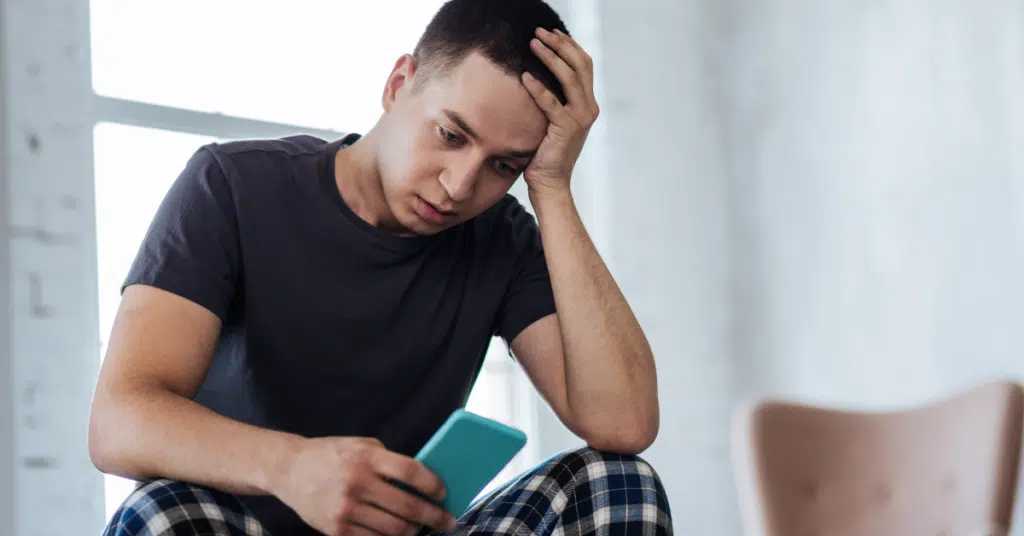
Ways to Cope When You Feel Left Out
If you keep feeling excluded or left out, you can take action and take control. Instead of defining yourself by rejection, you can find ways to build skills, strengthen your sense of self, and make connections with others. Here are some ways to do that.
Explore what might have gone wrong
What if you are truly being left out? Instead of obsessing over the rejection, investigate whether there’s an issue with your friend group, and see if you can make it right. If you’re brave enough to engage in honest communication and be vulnerable, your relationships may even get stronger.
If the problem can’t be solved, you can view it as an opportunity to change course. Choose to connect with different people and not interpret the falling out as a personal flaw. After all, relationships can be messy, and they take time and effort. Losing them can hurt, but you can heal and move on. Hopefully, you’ll find new people who appreciate you for who you are.
Practice a growth mindset
Building mental and emotional resilience involves having a learning mindset. In her book Mindset, Carol Dweck talks about how our willingness to adapt is what helps us succeed in spite of any challenges we face. That includes resilience in our relationships.
When we view missteps as flaws we can’t change, or challenges as problems we can’t overcome, we tend to spiral and regress. But when we see them as opportunities to learn and build new skills, we grow and become more resilient.
Expand your circle
Maybe there are certain groups you need to stop trying to fit into. Do you only hang out with people you went to school with, or people who like the same sports teams? Maybe your relationships are more about habit and comfort level than they are about depth and caring.
Instead of confining yourself to one particular group, try getting to know all kinds of people with a variety of backgrounds, interests, and stories. As you find out more about lots of different people, you’ll discover that no one really fits in a box.
Seek out people with similar passions
While you’re growing your connections, you can also zero in on people who have similar interests. Think about your passions and hobbies. Then find people who share them.
Consider attending a class, a meetup, or events in your community. You could join a hiking group, a book club, or a volunteer organization that works for a cause you care about.
Remember you’re not alone
We all want to belong and be valued by others, but feeling out of place is more common than you might think. And spending time on your Instagram friends’ curated feeds can make you believe that everyone else is living their best life while you sit at home.
But according to a poll by the American Psychiatric Association, 30 percent of Americans aged 18–34 report being lonely every day or several times a week. Reminding yourself that it’s not just you can help you accept feeling lonely or left out sometimes.
Don’t beat yourself up
If you want to know how to stop feeling alone and unwanted, self-acceptance and self-care are a great way to start. Be compassionate and understanding toward yourself. And resist the urge to self-isolate.
Talking to yourself in a loving way is one way to activate self-compassion. Tell yourself that rejection does not define you, and that you are capable of loving, healthy relationships, even if it’s hard sometimes. You can also place a hand or both hands on your heart when you feel stress or self-judgment arise.
When to Seek Treatment for Feelings of Exclusion
If your feelings of exclusion become more severe or affect your everyday life, it’s time to seek help.
At PrairieCare, we help young people and adults rediscover their authentic selves and heal from depression, anxiety, social isolation, and other mental health challenges. Plus, you’ll find a caring group of peers who understand what you or your loved one is going through. With our continuum of care for all ages, we can help in finding the support that works best for you.
Ready to take the first step toward creating a more fulfilled and connected life? Call us at 952-826-8475 or use the button below.
FAQs
What causes the feeling of being left out?
- Humans are social beings by nature; we are dependent on each other for resources and survival. Newborns can’t survive without the help of parents or caregivers, and they can’t thrive unless they are held and nurtured. A need for connection is part of the fabric of our existence.
How can you deal with the feeling of being left out?
- When you feel left out, be kind to yourself. Resist the urge to become more isolated and reach out to someone you know. If you don’t feel safe reaching out to anyone in your network, get in touch with a licensed counselor. Decide that rejection does not define you and that you are capable of loving, healthy relationships, even if it’s messy sometimes.
Why do I feel weird and out of place?
- Everyone wants to belong, but feeling out of place is more common than you might think. Maybe there are certain groups you need to stop trying to fit into. Maybe it’s time to stop judging yourself—or judging other people for not being who you want them to be. As you get to know lots of different people, you’ll discover that no one really fits in a box.
What to do if you feel unwanted in a relationship?
- Instead of fixating on rejection, assess if there’s an issue to address. Honest communication can strengthen relationships. If a problem can’t be resolved, see it as a chance to connect with new people rather than a personal flaw. Remember, relationships are complex and losing them can hurt, but healing and moving on are always possible.
Sources
- Proc Natl Acad Sci USA. 2011 Apr; 108(15): 6270-5.