



Transcranial Magnetic Stimulation Therapy in the Twin Cities

Providing Hope for Depression Recovery Through TMS Therapy

Transcranial Magnetic Stimulation (TMS) therapy offers new possibilities and long-term relief for people living with Major Depressive Disorder. This non-invasive therapy is safe and effective for those who have treatment-resistant depression. We are here to help you manage your symptoms and get the care you truly need.

Access a complimentary TMS questionnaire by phone or by filling out our request form.

If you’ve struggled with major depression for a long time and have not found relief through talk therapy and medications,
TMS might be life changing for you.
Whether you have a current treatment plan or are looking for new options, we can assist you to find the appropriate fit for your needs.

What is Transcranial Magnetic Stimulation Therapy?

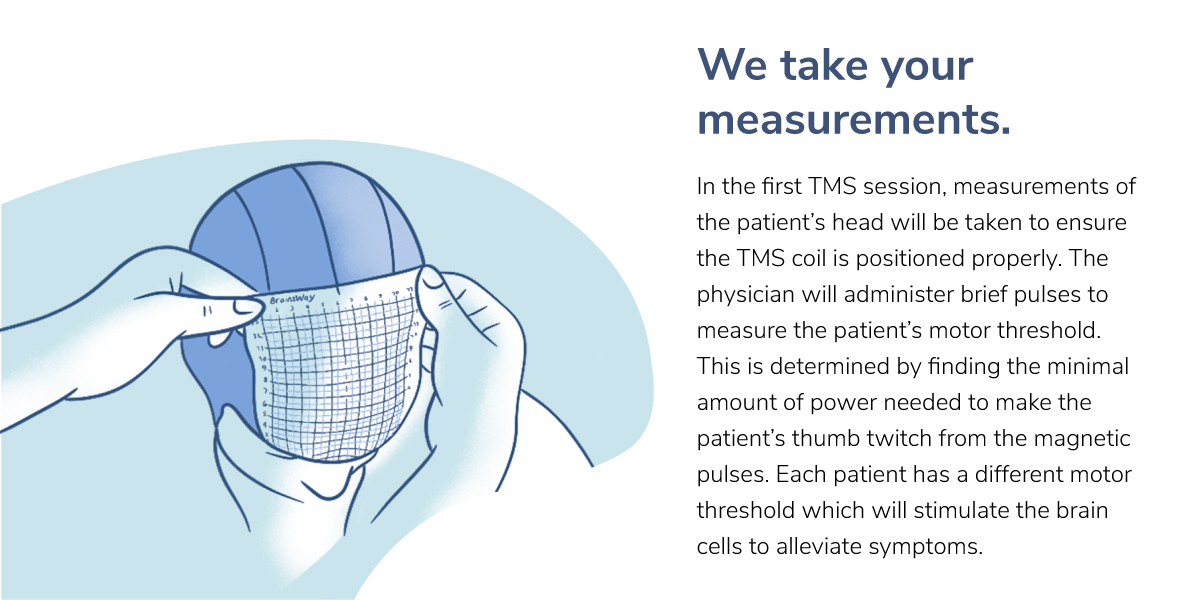
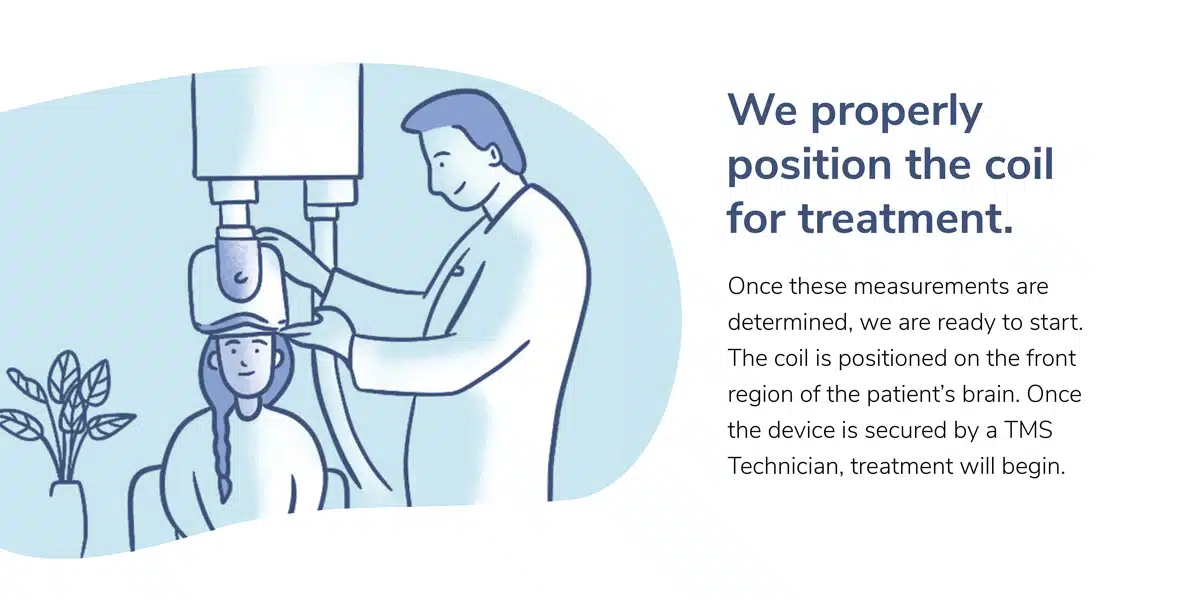
Transcranial Magnetic Stimulation (TMS) targets specific parts of the brain with magnetic pulses to help regulate mood for people with depression. The TMS coil, which creates pulsating magnetic fields to stimulate nerve cells in the brain. The magnetic field is focused on the region of the brain that controls mood, the left dorsolateral prefrontal cortex, activating the neural pathways.

How Does It Work?

When therapy begins, the patient will feel a series of small taps on their head. There is minimal pain associated with TMS and it minimizes after the first treatment session.

The electrical currents activate brain cells that are underactive in people with depression. As the treatment progresses, patients start to feel changes and will gradually experience relief from symptoms of depression.

Is TMS right for me?

Safe
TMS therapy is a non-invasive and FDA-approved treatment
Minimal side effects
TMS may have short term, minimal site pain but none of the ongoing physical side effects that can occur with medication, such as dry mouth, GI upset, and fatigue.
Covered by insurance
PrairieCare is an in-network provider for most major insurance plans and many of our services are covered under Medicaid/Medical Assistance plans. Private pay options are also available.
Flexible
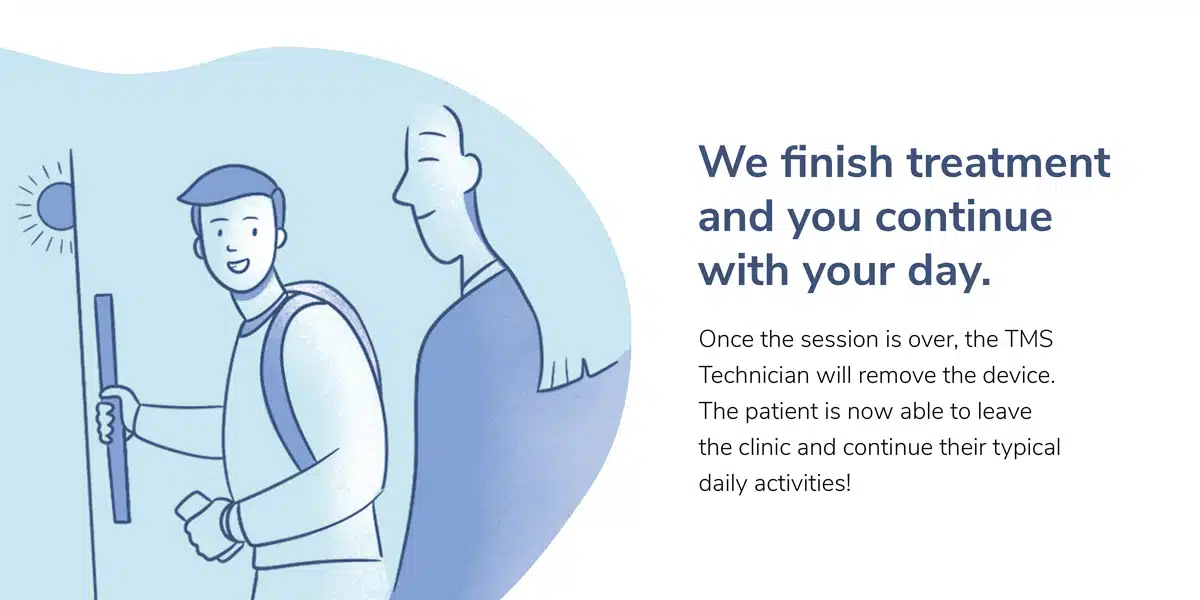
Treatment takes about 20 minutes, and you are able to continue with your day right away, whether that includes driving, going to work, or any other daily activities.
An impactful part of your treatment plan
TMS is appropriate at any stage of your mental health journey, as part of a treatment plan overseen by your PrairieCare team.


An Overview of TMS Therapy with Dr. Nelson


Do I qualify for TMS?

To be a candidate for TMS, you must have all the following qualifications:

Have a diagnosis of Major Depressive Disorder (MDD) that is recurrent and severe
Have discussed with an existing provider
Are 18 years or older
Have tried multiple medications from at least two different classes without improvement, including medication augmentation trials
Have completed a sufficient course of evidence-based psychotherapy

Is TMS covered by insurance?

PrairieCare is an in-network provider for most major insurance plans and many of our services are covered under Medicaid/Medical Assistance plans. Private pay options are also available.

Why Should You Choose PrairieCare for TMS?

PrairieCare is a leading mental health organization in Minnesota with a full continuum of care for all ages. Mental healthcare isn’t only part of what we do, it’s our whole mission.

We have administered over 20,000 TMS treatments to patients throughout the state of Minnesota, with extraordinary results. In addition, our TMS psychiatrists have been recognized as Top Doctors by their colleagues in the Twin Cities, as published in Mpls. St. Paul Magazine and Minnesota Monthly.

We understand that taking the first step in your mental health journey, especially when you’re undertaking a treatment focused on the brain, can be intimidating. But we are here to work alongside you to provide the care you truly need. Our caring and empathetic team stays with you throughout the therapy session to provide comfort, support, and answer any questions you may have. Our TMS clinics offer treatment rooms in a private, comfortable spaces with natural lighting. PrairieCare provides the best TMS therapy near you and your family.

Offering TMS Near Minneapolis & St. Paul, MN

Our Edina and Woodbury locations offer TMS therapy for depression near you, with appointment availability between 8:00 am to 4:00 pm. Patients in TMS therapy will meet with their treatment team and a psychiatrist on a regular basis. Each location has a dedicated psychiatrist who oversees the transcranial magnetic stimulation therapy treatment plan.

Meet our Certified TMS Providers

Edina

Dr. Brent Nelson
Chief Medical Information Officer and Adult Interventional Psychiatrist

Dr. Nelson has had a long focus on brain stimulation, primarily Transcranial Magnetic Stimulation (TMS), to minimize symptoms for complex mental health conditions and injuries. Through a clinical research fellowship, serving as a full-time faculty member and as Executive Director for TMS at the University of Minnesota and Minnesota VA Medical Center, he has brought extensive knowledge and innovation to our continuum of care. Every day he works with patients that are finding a new light in their life, to see they can reach their goals, and with the help of innovative technology, manage their condition.

Woodbury

Dr. Sandra Quinn
Adult Interventional Psychiatrist

Dr. Quinn has a passion for understanding and working with patients who have complex mental health conditions to create a path to healing. She uses medication, psychotherapy techniques, and neuromodulation to unlock new potential for the patient—even when it doesn’t always seem possible for them. When medication and therapy aren’t enough, she can provide Transcranial Magnetic Stimulation (TMS) therapy for treatment resistant depression to qualified patients. In addition to administering TMS treatments, Dr. Quinn is the attending physician at the Woodbury Partial Hospitalization Program (PHP) for adults as well as Clinic and Outpatient Services.

Edina

Kris Svendahl, PMHNP-BC
Psychiatric Mental Health Nurse Practitioner

Kris Svendahl is a board-certified psychiatric nurse practitioner with over 30 years of experience in mental health care, including more than a decade of specialization in Transcranial Magnetic Stimulation (TMS) therapy. She provides care across a range of outpatient settings, including our clinic-based services, Partial Hospitalization Program (PHP), and Intensive Outpatient Program (IOP). Kris brings extensive expertise in treating complex trauma and treatment-resistant depression, offering thoughtful, individualized care grounded in evidence-based practices and a trauma-informed approach.

Patient Testimonial

“I’m still just in disbelief at how completely effective and life-changing this TMS treatment has been.”

– Anonymous; received TMS therapy in 2021

FAQs

What is the success rate of TMS therapy?

Based on our clinical results, at least 50 percent of our patients have experienced their depression symptoms reduced by half. A significant number of patients achieve complete remission from depression. Among people who responded to TMS initially, two-thirds continued to experience improvements after three months, and about half were still doing well after a year.

Some patients may need to revisit TMS therapy depending on their remission length and individual needs. We recommend that all patients continue visiting their psychiatrist following treatment to track their symptoms and recovery.

These results are based on patients with Major Depressive Disorder (MDD) who have tried multiple medications and psychotherapy in the past.


Is magnetic brain stimulation safe?

Yes! Transcranial Magnetic Stimulation Therapy is a safe option for treating depression. It has minimal risk and side effects compared to other treatments. Patients are able to resume their normal activities after their treatment and continue with their day.

Is magnetic therapy FDA approved?

Yes, transcranial magnetic stimulation therapy is FDA approved. Following clinical trials, it was approved as a treatment for Major Depressive Disorder in 2008 and is a safe alternative for treatment resistant depression.

What does magnetic stimulation do for the brain?

Through the use of a magnetic coil, pulsating magnetic fields stimulate nerve cells in the brain. The magnetic field is focused on the region of the brain that controls mood, the left dorsolateral prefrontal cortex, activating the neural pathways. As the magnetic field pulses, the electrical currents activate brain cells that work to balance chemicals that help provide relief from the symptoms of depression.

Are there any side effects?

TMS is a well-tolerated therapy with minimal side effects. The most common side effects take place in the first sessions, including headache or fatigue. During the treatment session a patient may experience scalp sensations or facial twitching, but these feelings typically diminish as the treatment course continues.

Our team is here to support you through the entire process. A team member stays with you for the procedure to make sure you’re comfortable and talk you through the process. If you feel discomfort from the helmet, we can adjust the coil to improve your experience. We are here to help you!

Compared to antidepressants, TMS does not have a whole-body effect. For example, TMS has not been associated with side effects such as gastrointestinal upset, dry mouth, sexual dysfunction, weight gain, or sedation.

The most serious risk of TMS is seizure, however the risk is less than 1% for patients receiving therapy. When you are receiving TMS therapy at PrairieCare, we follow the latest guidelines, which are designed to minimize the risk of seizures. As always, we are here to talk to you about concerns associated with potential side effects.

While TMS is a safe procedure, as with any new treatment, there may be unforeseeable risks that are not currently recognized.

What does TMS feel like?

When the therapy starts, the coil delivers pulses to the brain which can feel like a series of small taps. Patients can also experience headaches, jaw pain, and twitching. These feelings usually begin to minimize after the first treatment session. Ultimately, it is very unusual for a patient to have pain severe enough that they cannot continue with the treatment. We strive to ensure that all patients receiving TMS therapy feel comfortable both physically and mentally.

Who is not eligible to receive TMS?

Patients are not eligible for TMS if they: 

  • Have any type of non-removable metal in their heads (braces and dental fillings are acceptable)
  • Have a history of seizures or a current seizure disorder
  • Have a history of mania or psychosis
  • Are pregnant or planning to become pregnant

If you or your family members have any depression symptoms, now is the time to start looking into treatment options. 

Download Program Info Here

It all starts with a phone call

Please call our TMS Team now at 952-737-4510.