

Signs of a personality disorder include distorted patterns of perception and thinking, emotional dysregulation, high emotional reactivity, irregular impulse control, and difficulty with social interactions and relationships. If you think you have a personality disorder, it’s essential to get a professional medical evaluation. Because personality disorder symptoms can overlap with symptoms of other types of disorders, look for a mental health professional who specializes in or is very familiar with personality disorders.

Personality Disorder Services in the Twin Cities, MN
Understanding Personality Disorders
Personality disorders are mental health disorders that cause serious disturbances in a person’s relationships and internal experience. Marked by impulsivity, emotional dysregulation, distorted behavioral and thought patterns, and high emotional reactivity, personality disorders can severely impair one’s daily life and ability to function.
When left untreated, personality disorders can be devastating. Borderline personality disorder in particular is associated with a high risk of self-harming behaviors, including suicide. In fact, close to 10 percent of people with borderline personality disorder die by suicide.
PrairieCare provides compassionate, effective treatment for personality disorders, including borderline personality disorder, and their associated mental health conditions. We help patients of all ages gain hope, stability, and a sense of autonomy in their lives.
What Is a Personality Disorder?
Personality disorders are characterized by rigid ways of thinking and behaving, as well as difficulty relating to other people and one’s environment. This type of mental health disorder causes impaired functioning in both interpersonal relationships (with others) and intrapersonal (one’s relationship with oneself).
An individual’s daily life, activities, and relationships are often severely impacted by personality disorders. Furthermore, individuals with personality disorders frequently struggle with secondary mental health conditions as well. These include depression, anxiety, eating disorders, substance use disorder, and more.
Types of Personality Disorders
There are 10 personality disorders categorized in the Diagnostic and Statistical Manual of Mental Disorders, Fifth Edition (DSM-5). And more than 9 percent of US adults are estimated to have one of these disorders. The DSM-5 groups the 10 distinct personality disorders into three subtypes or clusters.
Cluster A Personality Disorders
People with this type of personality disorder exhibit odd, suspicious, or detached behaviors. Cluster A includes the following:
- Paranoid personality disorder, characterized by pervasive distrust of others and their motives, including the belief that others are trying to deceive or take advantage of them
- Schizoid personality disorder, marked by an indifference toward relationships. People with this disorder may act cold, unfeeling, and withdrawn.
- Schizotypal personality disorder, with traits including a flat affect, eccentric ways of behaving and speaking, and beliefs that their thinking can influence other people and events
Cluster B Personality Disorders
These personality disorders are characterized by dramatic, impulsive, and unpredictable behaviors. They include:
- Antisocial personality disorder: Symptoms include violating the rights and safety of other people and animals, aggression or violence, disregard for laws, and a lack of remorse for their actions.
- Borderline personality disorder (BPD), marked by an unstable sense of self, severe mood swings, and intense and unstable relationships
- Histrionic personality disorder, classified by an intense desire to be the center of attention. People with this disorder may act inappropriately and engage in risky behaviors to gain the attention and approval of others.
- Narcissistic personality disorder, characterized by an exaggerated sense of self-worth, grandiosity, and lack of empathy or concern for the impact of their behaviors on others
Cluster C Personality Disorders
People with cluster C personality disorders display chronic fearful or anxious behaviors. These disorders include the following:
- Avoidant personality disorder, characterized by feelings of inadequacy and social withdrawal due to excessive fear of criticism or rejection
- Dependent personality disorder involves fear of being alone or taking care of themselves, and symptoms include excessive clinginess and lack of self-confidence.
- Obsessive-compulsive personality disorder is marked by an urge to control one’s relationships, situations, and environments. This is not the same as obsessive-compulsive disorder (OCD).
Types of BPD
Within the borderline personality disorder (BPD) category, there are four subtypes of BPD. These include:
- Impulsive: difficulty regulating impulsive or dangerous instincts, minimal regard for their own or others’ safety
- Discouraged: intense fear of abandonment, which results in self-blame, clingy behaviors, detachment, and self-isolation
- Self-destructive: struggles with self-hatred, bitterness, and self-destructive behaviors
- Petulant: unpredictable swings of emotion within relationships, which can lead to manipulative behaviors and feelings of unworthiness
Symptoms of Personality Disorders
Within each type of personality disorder, there are personality disorder symptoms specific to that diagnosis. However, there are some symptoms that are common to most or all types of personality disorders.
The different types of personality disorders share the following symptoms:
- Distorted patterns of perception and thinking
- Emotional dysregulation
- High emotional reactivity
- Irregular impulse control
- Difficulty with social interactions and relationships
The 9 Signs of BPD
There are nine signs and symptoms of borderline personality disorder. These include:
- Fear of abandonment in relationships
- Intense or volatile interpersonal relationships
- Distorted self-perception
- Impulsive and reckless behaviors in at least two areas, such as problem substance use, dangerous driving, unsafe sex, spending sprees, and binge eating
- Recurrent self-harming or suicidal behaviors, thoughts, or threats
- Erratic mood swings
- Chronic feelings of emptiness
- Inappropriate anger
- Psychotic conditions, such as delusions or dissociation
Causes of Borderline Personality Disorder
Borderline personality disorder, one of the most common types of personality disorders, is believed to be caused by both genetic and environmental factors. Causes and risk factors of borderline personality disorder include a family history of BPD, as well as differences in brain structure, particularly the areas that govern emotion regulation and impulse control.
Additionally, a person’s life history can impact the likelihood that they will develop borderline personality disorder. Specifically, a history of trauma increases BPD risk. This includes adverse childhood experiences, such as abuse, neglect, hardship, or unstable relationships with parents/caregivers

Treatment for BPD and Other Personality Disorders
Intense instability within oneself and one’s relationships is a hallmark of personality disorders, especially BPD. This causes immense distress, including feelings of hopelessness, despair, and emptiness. As a result, these individuals have a higher risk of suicide and self-harm.
Therefore, treatment focused on stabilizing emotional regulation in patients with personality disorders is crucial. It can be the difference between life and death. Treatment can significantly improve a patient’s challenges at home, at work, within themself, and in their relationships. Personality disorder treatment focuses on helping patients to manage symptoms, balance mood swings, improve communication and stability in relationships, and enhance overall quality of life.
Many borderline personality disorder treatment plans include a combination of psychotherapy, education, medication, and approaches to stabilize the patient’s environment. Treatment varies according to the individual and the severity of symptoms.
Why Choose PrairieCare for Personality Disorder Treatment in Minneapolis?
At PrairieCare, we treat children, adolescents, and adults with personality disorders and associated mental health concerns. Our approach is multi-pronged. We utilize a variety of modalities to support children, adolescents, and adults to improve emotion regulation and learn effective coping mechanisms for stress and relationship difficulties. Moreover, we include family in the treatment process, as appropriate.
Our multidisciplinary team also treats any secondary mental health concerns that may coexist alongside personality disorders. These include anxiety, depression, and other disorders, like ADHD. These additional mental health issues can make symptoms of personality disorders worse, and increase an individual’s feelings of hopelessness or despair. Our effective, compassionate care addresses these mental health conditions while also focusing on personality disorder treatment.
The best personality disorder treatment is an integrated approach that meets you or your loved one where you are. Our team of psychiatrists, therapists, and counselors have a patient-centered care philosophy, and we work with you to determine the best approach for treatment.
Our Personality Disorder Treatment in Minnesota
PrairieCare provides personality disorder treatment plans that include the following modalities to successfully treat borderline personality disorder and other personality disorders:
Medication
For patients experiencing acute symptoms, medication to help stabilize and treat symptoms of personality disorders may be necessary. A combination of medication and psychotherapy can be extremely effective in stabilizing patients with personality disorders.
Psychoeducation
Learning about the impacts of personality disorders in their life and relationships can help patients and their families better understand and manage difficult emotions and behaviors.
Cognitive Behavioral Therapy (CBT)
Facilitated by our experienced clinicians, CBT helps patients recognize and change unhelpful or untrue thoughts, beliefs, and behaviors. It also teaches effective strategies for managing intense emotions and helps patients implement more useful behaviors.
Dialectical Behavioral Therapy (DBT)
DBT enhances an individual’s capacity to cope with difficult behaviors or situations by focusing on four key areas: emotion regulation, distress tolerance, mindfulness, and interpersonal effectiveness.
Marriage and Family Therapy
Marriage and family therapy is helpful for patients of all ages to improve their relationships with family and loved ones. Family therapy helps restore healthy communication, authentic connection, and empathy.
Specialty Therapies
PrairieCare utilizes other age-appropriate types of therapy, including art therapy and play therapy, to introduce creative outlets and soothe the body’s stress response.
Insurance We Accept
PrairieCare is an in-network provider for most major insurance plans, allowing us to continually expand access to mental health treatment in Minnesota.
Our Full Continuum of Care for Personality Disorder
At PrairieCare, we provide intensive care, such as inpatient hospitalization and residential treatment, as well as various outpatient programs, to fit the needs of each patient. Our team shapes a personality disorder treatment plan to fit the unique needs of each patient and determines the right level of care for the best outcome.
The appropriate personality disorder treatment plan depends on the type of personality disorder and the severity of symptoms. When you fill out an assessment and intake for treatment with PrairieCare, our team will help you or your loved one determine your options and next steps.
Clinic and Outpatient Services
Offering in-person and telehealth settings, our clinic and outpatient personality disorder treatment provides specialized psychotherapy, medication management, and evaluation. We offer specialty approaches including Play Therapy, Marriage and Family Therapy, Air Water Earth (AWE) Therapy, and more.
Intensive Outpatient Program (IOP
IOP is a level of care that provides programming four days a week, several hours a day, for individuals struggling with symptoms of mental illness that are interfering with their daily living and are not manageable through weekly therapy and/or medication management alone. We offer IOPs for youth (ages 11–17) and young adults, as well as an Adapted Dialectical Behavioral Therapy (A-DBT) track.
Partial Hospitalization Program (PHP)
Our PHP programs take place five days a week, with a full day of programming each day. This level of care is helpful for adults and youth who are struggling with symptoms of personality disorder that are interfering with their daily tasks, such as school, caring for themselves, and going to work.
Our Inpatient Psychiatric Hospital for Personality Disorder Treatment
Our inpatient program provides 24/7 safety and stabilization for children, teens, and young adults following a mental health crisis, through group, individual, and family therapy sessions. This type of personality disorder treatment takes place in a hospital setting, with a focus on stabilizing acute symptoms for patients who may have a higher risk of suicidal behavior or self-harm.
Residential Treatment Program
With an average stay of three months, residential treatment offers those with severe personality disorder and co-occurring disorders the care they need. Informed by psychodynamic theory and guided by therapeutic skills, PrairieCare’s residential personality disorder treatment focuses on helping youth, young adults, and families build lives that are sustainable, enriching, and meaningful.
Our Convenient Minnesota Locations
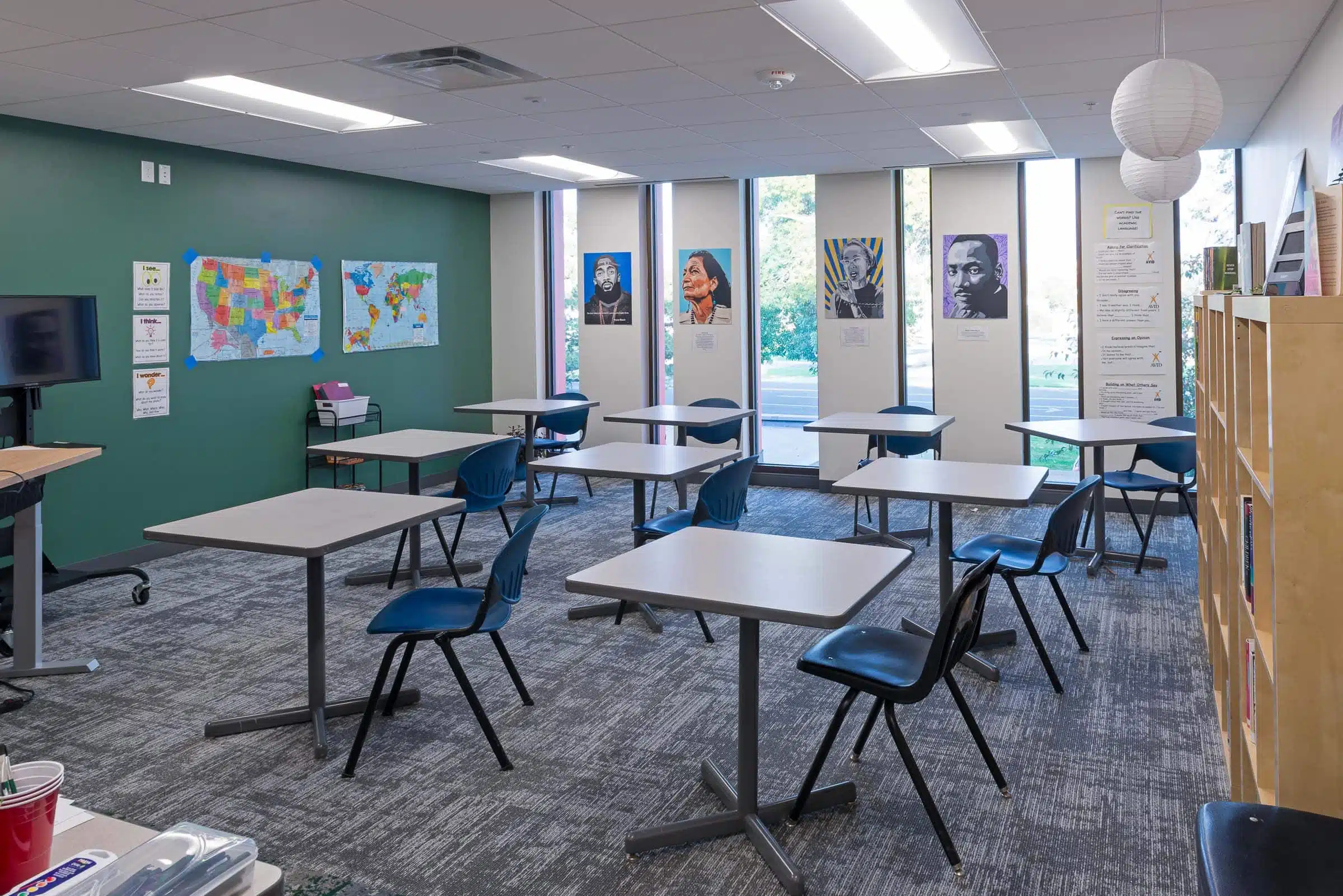
PrairieCare has various levels of personality disorder treatment in the Twin Cities and Southern Minnesota. Our MN personality disorder treatment locations have a soothing atmosphere with colors found in nature, plentiful light, and empathetic team members. Our facilities have gyms, recreational therapy rooms, sensory rooms, and more, to further support the focus on healing.
With our full continuum of behavioral health treatment, children, teens, and adults can receive the highest-quality personality disorder treatment in Minnesota. Each patient receives the treatment modalities and care level that’s appropriate for their needs. And we continue to expand our services and care modalities to accommodate the needs of our community.
Our Locations Providing Personality Disorder Treatment in Minneapolis and St. Paul:
- Brooklyn Park, Medical Office Building
- Brooklyn Park Inpatient Hospital
- Edina
- Maple Grove
- Maplewood
- Minneapolis, Center for Families
- Woodbury
Our Treatment Locations for Personality Disorders in Southern Minnesota:
Contact Our Team Today to Get Started
Finding the right personality disorder treatment in Minnesota can be daunting. At PrairieCare, our team guides you through the process and finds the appropriate care setting, so you and your family can focus on healing.
Are you ready to start treatment for personality disorders for yourself or your child? Call our Assessment and Intake Department at 952-826-8475.
Get Started on the Healing Journey
Learn more about how we support patients and families in their mental health journey.
FAQs
How do you know if you have a personality disorder?
What are the 4 subtypes of BPD?
The four types of BPD are impulsive, discouraged, self-destructive, and petulant.
What is currently the most effective treatment for borderline personality disorder?
The most effective treatment for borderline personality disorder is a combination of psychotherapy, psychoeducation, and medication to help patients regulate difficult emotions and improve overall mental health.
What are the 9 symptoms of BPD?
The 9 symptoms of BPD include fear of abandonment, intense interpersonal relationships, distorted self-perception, impulsivity, recurrent self-harm or suicidal behavior, erratic mood swings, chronic feelings of emptiness, inappropriate anger, and psychotic conditions, such as delusions or dissociation.
What triggers borderline personality disorder?
Genetics, a history of trauma or adverse childhood experiences, and other factors, like extremely high levels of stress, can increase the risk of developing borderline personality disorder.
Are personality disorders changeable?
Personality disorders can be managed and treated through therapeutic approaches. Personality disorder treatment is focused on teaching effective emotion-regulation strategies, stress-reduction skills, methods of communication, and tools for stabilizing one’s internal and external environment.