
The most common types of DBD are oppositional defiant disorder (ODD) and conduct disorder.

Disruptive Behavior Disorder Treatment in the Twin Cities, MN
What Are Disruptive Behavior Disorders?
Almost every child goes through a period of rebelliousness and acting out against authority. This is a normal, predictable part of child development for most kids.
But when a child is diagnosed with a disruptive behavior disorder (DBD), their behavior and emotional responses go beyond age-appropriate rebellion. Disruptive behavior disorders are a group of disorders that are characterized by excessive aggression, angry outbursts, destruction of property or harm to others, and difficulty with self-control and impulsivity.
Usually diagnosed in childhood or adolescence, these disorders result in behaviors that defy social norms and threaten the safety of others. These behaviors are often frightening both at school and at home, and cause concern among family, peers, and teachers or other authority figures.
When left untreated, disruptive behavior disorders can escalate and create negative life consequences. These include problems in school and in relationships, substance use, and harm to themselves or others. Later in life, untreated DBD can lead to difficulty maintaining a job or trouble with the legal system.
Types of Disruptive Behavior Disorders
The most common types of disruptive behavior disorders are oppositional defiance disorder (ODD) and conduct disorder. The other disorders that fall under the umbrella of disruptive, impulse-control, and conduct disorders include intermittent explosive disorder, pyromania, and kleptomania.
Oppositional Defiance Disorder (ODD)
Oppositional defiance disorder (ODD) is a pattern of angry outbursts, defiance, and hostility toward authority figures and other children. ODD is usually diagnosed in childhood. Symptoms include:
- Frequent angry outbursts or temper tantrums
- Refusal to adhere to rules
- Exhibiting spiteful or vindictive behavior
- Regularly arguing with others, especially adults
- Deliberately irritating others
- Blaming others for their behavior
Conduct Disorder (CD)
Conduct disorder is characterized by infringements on others’ basic rights or societal rules. This includes serious behavior such as:
- Aggression or cruelty to people and animals
- Bullying others
- Intimidating, threatening, or harming others with weapons or force
- Destruction of property
- Sexual violence
- Theft
- Violation of rules, such as school truancy, breaking curfew, or running away from home
Children or adolescents who are diagnosed with CD may spend time in the juvenile justice system because of their behaviors. Additionally, between 25 and 40 percent of children with conduct disorder may have antisocial personality disorder later in life. Antisocial personality disorder is the adult equivalent of conduct disorder, and can involve breaches of human rights and the law.
Intermittent Explosive Disorder
Children with intermittent explosive disorder display repeated aggressive behavioral outbursts that are extremely disproportionate to the outburst trigger.
These outbursts include physical or verbal aggression toward people, animals, or property. The aggression may or may not result in damage to property or injury to people or animals.
Pyromania
Pyromania involves the intentional and repeated setting of fires. Symptoms include:
- Deliberately setting a fire on more than one occasion
- Emotional arousal prior to setting a fire
- Being fascinated by fire, its uses, and its consequences
- Feeling pleasure or gratification upon setting fires, or upon witnessing the damage caused by fires
People with pyromania don’t set fires for monetary gain, to cover up criminal activity, or in response to delusions, hallucinations, or substance use. Rather, they set fires to relieve their built-up tension, anxiety, or emotional arousal.
Kleptomania
Kleptomania is the inability to resist the repeated urge to steal things. People who experience kleptomania typically don’t steal things of high monetary value. Instead, they tend to take things they don’t need or even want. Rather than stealing out of a sense of revenge or for personal or monetary gain, they steal because the impulse to do so is overwhelmingly strong.
Symptoms of kleptomania include:
- Feelings of tension, anxiety or arousal leading up to the theft
- Pleasure or relief while stealing
- Guilt, shame, regret, or fear of arrest after the theft occurs
What Are the Causes of Disruptive Behavior Disorders?
Causes and risk factors of disruptive behavior disorders include environmental, genetic, and psychosocial factors.
Environmental factors include:
- Parenting style (such as low parental warmth or negligence)
- Family dysfunction
- Chaotic or dangerous home life
Genetic factors include:
- Family history of mental illness or substance abuse
- Brain chemistry imbalances
Psychosocial factors include:
- Lack of social support
- Not enough resources available at home or at school
- History of abuse, violence, neglect, or trauma
- Other underlying mental health issues
Disruptive Behavior Disorders Symptoms and Signs
Disruptive behavior disorders are marked by frequent uncooperative and defiant behaviors, which go beyond typical age-appropriate rebelliousness. The severity and type of disruptive behavior disorder symptoms vary based on the person’s age, temperament, coping skills, and resources.
In general, people with disruptive behavior disorders lack empathy or remorse for their destructive patterns and actions. Additionally, people with DBD may experience other mental health concerns, such as depression, ADHD, substance use disorder, and low self-esteem. In general, disruptive behavior disorders are more common among males than females.
Disruptive behavior disorder symptoms include:
- Adamant refusal to comply with rules
- Revenge or justice-seeking
- Bullying others
- Purposely violating others’ property, bodies, or boundaries
- Stealing
- Cruelty to people and animals
- Lying
- Blaming others for their actions or mistakes
- Social withdrawal
- Inability to control impulses
- Destructive behavior
- Difficulty concentrating
- Frequent irritability, anger, or frustration
- Memory problems
How Common Are Disruptive Behavior Disorders?
According to the American Psychological Association, disruptive behavior disorders occur at the following rates:
- Oppositional defiance disorder: 3 percent of people
- Conduct disorder: 4 percent
- Intermittent explosive disorder: 3 percent
- Pyromania: 1 percent
- Kleptomania: 1 percent or less

Disruptive Behavior Disorder Treatment
At PrairieCare, we use a comprehensive treatment approach to address disruptive behavior disorders or secondary mental health conditions associated with DBD. All of our patients are assessed individually and treated based on level of care needed, cognitive status, and developmental needs.
Treatment is focused on supporting behavioral change and working with parents on effective deescalation techniques and behavior management strategies. We also treat underlying mental health issues that can exacerbate disruptive behaviors, including depression, anxiety, ADHD, and other neurodevelopmental disorders.
PrairieCare provides treatment primarily for children, teens, and young adults with disruptive behavior disorders. However, older adults sometimes struggle with disruptive behavior disorders, and have never been diagnosed or treated effectively earlier in life. We help these individuals address DBD, along with underlying mental health issues.
PrairieCare’s Treatment for Disruptive Behavior Disorders in the Twin Cities
The appropriate disruptive behavior disorder treatment plan depends on the type of disorder, the severity of the symptoms, and the impact of symptoms and secondary mental health conditions in your or your child’s life. When you fill out an admissions and intake for treatment with PrairieCare, our team will help you or your loved one determine your options and next steps.
No matter what type of treatment plan you need, we work with you to determine the best approach for your treatment. Our team of licensed therapists, psychiatrists, clinicians, and counselors have a patient-centered care philosophy, and we use trauma-informed models of care to foster safety and healing.
PrairieCare’s comprehensive programs are tailored to address the unique circumstances, needs, strengths, and challenges of each person. Our treatment teams individualize care and collaboratively establish positive behavioral supports with patients and their families to ensure a safe and effective experience while addressing primary concerns.
Offering A Variety of Treatment Modalities
PrairieCare offers a variety of services and programs at various locations throughout Minnesota. These include the following treatment options:
- Neuropsychological and psychological testing to determine best care
- Psychotherapy with our experienced clinicians, which includes Cognitive Behavioral Therapy (CBT) and Dialectical Behavioral Therapy (DBT)
- Group therapy, in which participants learn coping strategies for their symptoms and receive ongoing support and healing in a community environment
- Marriage and family therapy
- Psychiatric care and medication management
- A variety of specialty therapies facilitated by experts, including Play Therapy, Art Therapy, and integrative health programs
Insurance We Accept
PrairieCare is an in-network provider for most major insurance plans, allowing us to continually expand access to mental health treatment in Minnesota.
Our Levels of Care for Disruptive Behavior Disorder Treatment
At PrairieCare, we provide intensive care, such as inpatient hospitalization and residential treatment, as well as various outpatient programs, to fit the needs of each patient and their family. Our team shapes a disruptive behavior disorders treatment plan to fit the unique needs of each patient and determines the right level of care for the best outcome.
Clinic and Outpatient Services: Offering in-person and telehealth settings, our clinic and outpatient treatment provides specialized psychotherapy, medication management, and evaluation. We offer specialty approaches including Play Therapy, Art Therapy, Family Therapy, Air Water Earth (AWE) Therapy, and more.
Intensive Outpatient Program (IOP): IOP is a level of care that provides programming four days a week, several hours a day. Intensive Outpatient Programs are appropriate for individuals struggling with symptoms of mental illness that are interfering with their daily living and are not manageable through weekly therapy and/or medication management alone. We offer IOPs for youth (ages 11–17) and young adults, as well as an Adapted Dialectical Behavioral Therapy (A-DBT) track.
Partial Hospitalization Program (PHP): Our PHP programs take place five days a week, with a full day of programming. This level of care is helpful for adults and youth who are struggling with symptoms of disruptive behavior disorders or other mental health conditions that are severely interfering with their daily tasks, such as school, caring for themselves, and engaging in important activities.
Inpatient Treatment: Our inpatient program provides 24/7 safety and stabilization for children, teens, and young adults who are 35 years and younger following severe symptoms or mental health episodes. This type of treatment offers group, individual, and family therapy sessions in a hospital setting. Inpatient care focuses on stabilizing acute symptoms for patients who may have a higher risk of dangerous behavior, including suicidal behavior, self-harm, or harm to others.
Residential Treatment Program: With an average stay of three months, residential treatment offers those with severe disruptive behavior disorders and co-occurring disorders the care they need. Informed by psychodynamic theory and guided by therapeutic skills, PrairieCare’s residential treatment focuses on helping youth, young adults, and families build lives that are sustainable, enriching, and meaningful.
Our Convenient Minnesota Locations
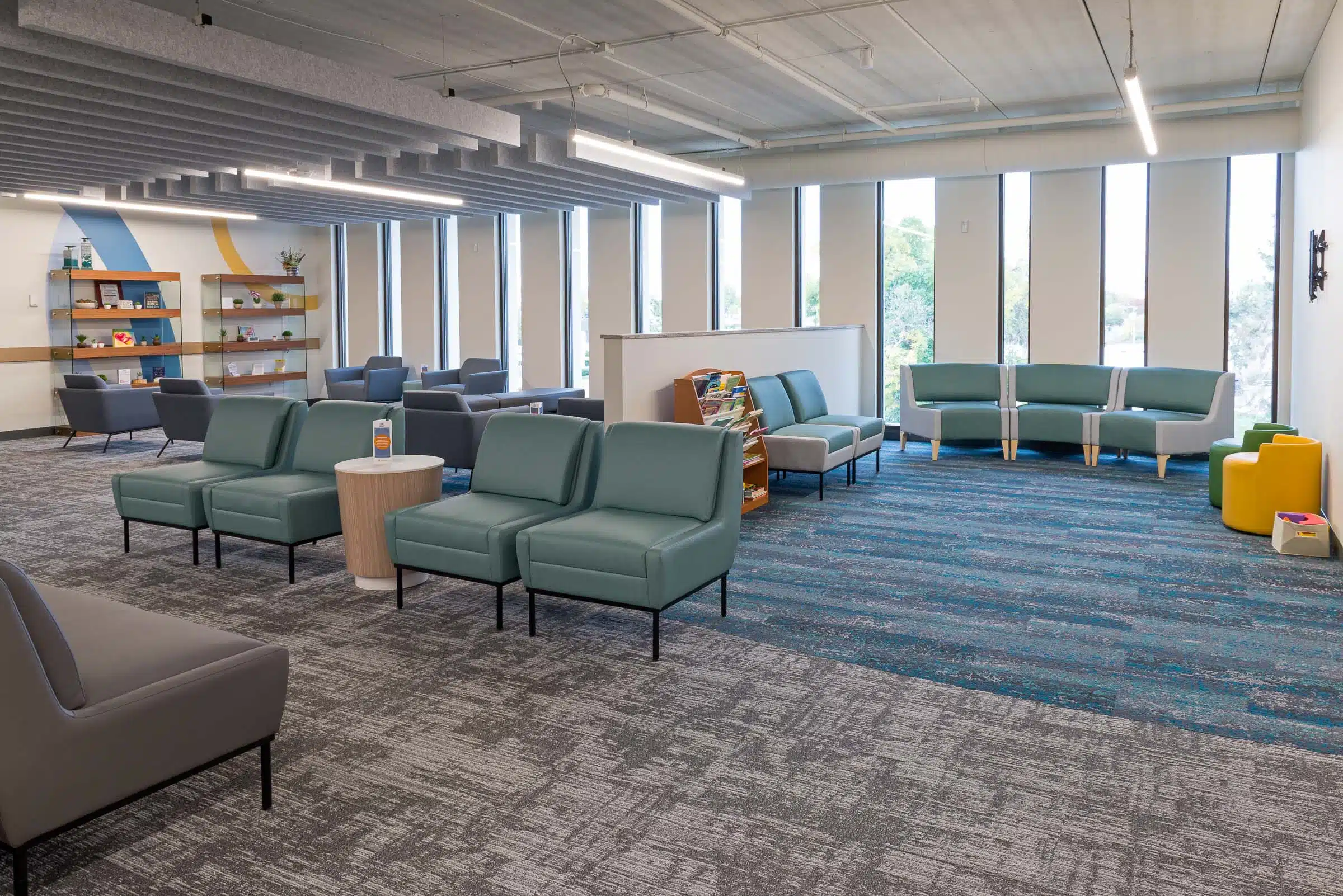
PrairieCare’s MN disruptive behavior disorder treatment locations have a soothing atmosphere and compassionate team members. Our facilities are equipped with gyms, recreational therapy rooms, sensory rooms, and more, to allow patients to focus on safety and healing.
With our full continuum of behavioral health treatment, children, adolescents, and young adults can receive the highest quality care for disruptive behavior disorder treatment in Minnesota.
Our Locations Providing Disruptive Behavior Disorder Treatment in Minneapolis and St. Paul:
- Brooklyn Park, Medical Office Building
- Brooklyn Park Inpatient Hospital
- Edina
- Maple Grove
- Maplewood
- Minneapolis, Center for Families
- Woodbury
Our Treatment Locations for Disruptive Behavior Disorders in Southern Minnesota:
We Can Help
Finding the right treatment in Minnesota can be daunting. At PrairieCare, our team guides you through the process and finds the appropriate care setting, so you and your family can focus on healing.
Are you ready to start treatment for yourself or your child? Call our Admissions Department at 952-826-8475.
Get Started on the Healing Journey
Learn more about how we support patients and families in their mental health journey.
Access a Complimentary Care Questionnaire
Our Admissions Department offers complimentary care questionnaire to determine the best type of bipolar disorder treatment for you or your loved one.
FAQs
What are the most common types of disruptive behavior disorders?
How can I help my child with disruptive behavior disorder?
If your child is struggling with disruptive behavior disorder and won’t respond to your attempts to discipline them, mental health treatment with a team of professionals can help.
What are the 6 common behavioral disorders?
Behavioral disorders include oppositional defiant disorder (ODD), conduct disorder, kleptomania, pyromania, and intermittent explosive disorder. Antisocial personality disorder is similar to conduct disorder, but is diagnosed only in adults.
Is conduct disorder a mental illness?
Conduct disorder is a type of disorder that falls under the umbrella of disruptive behavior disorders.
Is ADHD considered a disruptive behavior disorder?
No, ADHD is not considered a disruptive behavior disorder. It is a neurodevelopmental disorder, which is a different class of disorders. However, ADHD sometimes accompanies disruptive behavior disorders.
What is the best therapy for a child with behavior problems?
The best therapy for a child with behavior problems is a combination of modalities tailored to their unique needs, severity of symptoms, and ability to function. This may include a combination of talk therapy, including family and individual therapy, as well as experiential therapies.
Is disruptive behavior disorder curable?
When properly treated and with the right support, disruptive behavior disorder symptoms can decrease or disappear entirely. A child or teen dealing with DBD can learn techniques like emotion regulation and impulse control to overcome DBD. Efficacy of treatment depends on a variety of factors, including a child’s resources, personality, genetics, and environment.