

Medication management and psychotherapy, otherwise known as talk therapy, are beneficial to many people with depression. There are different levels of care depending on the severity or needs of the patient. At PrairieCare we have a full continuum of care including outpatient and clinic, Intensive Outpatient Program, Partial Hospitalization Program, Inpatient Hospitalization Program, and Residential Treatment Program. Our programs meet the patient where they are in their mental health journey and provide less intensive care as they reach their goals.

Depression Treatment Program in the Twin Cities, MN
What Is Depression?
Depression is a common mental health condition and there are various treatment options to fit someone’s needs. It is treatable and there is help available. Depression affects the way a person feels, thinks, and maintains their daily life. It causes feelings of sadness and the loss of interest in daily activities someone once enjoyed or are vital to their life. Often, these unwanted feelings lead to other emotional and physical ailments.
About 7.1% or 17.3 million American adults are affected by depression each year, according to the National Institute of Mental Health. It effects twice as many women than men, but many different factors can contribute to someone’s likelihood of being diagnosed with depression. Often, depression is treated by working with a mental health professional to build a treatment plan that is unique to their needs.
Table of Contents
What Are the Symptoms of Depression?
Depression can occur throughout someone’s life and symptoms can vary depending on the person. Often, daily activities become more difficult and noticeable problems occur with school, work, and relationships. For someone to be diagnosed with depression, these feelings must be present for at least two weeks.
Depression symptoms include:
- Feelings of hopelessness, worthlessness, or sadness
- Anger and frustration
- Loss of interest in daily in hobbies and activities
- Sleeping too much or insomnia
- Change in appetite
- Lack of energy and struggling to do small tasks
- Trouble with concentrating and decision making
- Physical problems such as GI issues
For people with depression, thoughts of death and suicide which must be taken seriously. If these thoughts occur, call 988 immediately. A trained mental health counselor will help with resources, advice, and emergency care if applicable.
Signs of Depression in Kids (Ages 6-12)
Symptoms of depression in children can be harder to see compared to other age groups. At this stage, kids are developing their language skills and may not be able to express the way they are feeling. They may show symptoms that are outwardly expressed, such as outbursts, crying, meltdowns, breaking rules, or acts of aggression. This does not make them bad kids; it may just be hard for them to explain what they are truly feeling.
Kids with depression can display an increased or decreased appetite and changes in sleep such as refusing to go to bed or having nightmares. They can also display traditional symptoms of depression such as social withdrawal, feelings of worthlessness, and sadness. The way kids play and interact with others can also be an indicator of how they feel. If a child is avoiding the typical activities they enjoy or friends they play with, they may be showing signs of depression.
It’s important to understand that each child has a different personality, rate of development, and signs that might be confused with depression. Understanding what “normal” behavior is for your child will help guide you if there are any changes. If something seems off, seek an assessment or guidance from a mental health professional.
Signs of Depression in Teens (Ages 12-17)
The teenage years are a tough time for many young people. This age group is navigating puberty, taking on more responsibilities, building friend groups, and trying to find their own identity. This mix of emotions, hormones, and new experiences can impact their outlook on life.
For some teenagers, signs of depression can be in the form of an attitude change such as irritability, an over the top or exaggerated presence, and other uncontrollable emotions. People with depression often have a negative comparison to others or a poor outlook on life.
A significant sign for depression in teens is withdrawal. There can many ways a teen may withdraw from their activities, but here are some common examples:
- Not attending the activities they once enjoyed such as sports, hobbies, and clubs.
- Lack of attendance at school or unwillingness to go to school.
- Minimizing or eliminating time with their friends, family, or other people close to them.
- Spending more time in their bedroom and/or using technology as a form of escapism.
Teenagers with depression often have higher rates of self-harm. When a teenager is depressed, it can be difficult for them to work through their feelings. A teen may self-harm, such as cutting, burning, or scratching themselves, to deal with negative emotions. Self-harm does not mean someone is suicidal, but it means they need help finding safe and effective tools to manage their symptoms. People who self-harm are more likely to attempt suicide and therefore should get immediate help from a mental health professional to manage their symptoms.
Signs of Depression in Young Adults (Ages 18-25)
Older teenagers and young adults experience many transitions that may have an impact on their mental health. This time can include the college experience of living in an unfamiliar environment, newfound freedom, stressful curriculum, and the many obstacles that come along with maintaining responsibilities. Employment can be a substantial goal for a young adult as they maintain their own financial needs to live and thrive. Finally, obtaining stable housing is the foundation to stability in someone’s life. Finding an affordable, safe, and sustainable living situation is essential.
These impactful decisions for the future may be difficult for someone with depression, especially while they are still developing their identity. There may be questions about the future, confusion, and other feelings that develop which can transform into different levels of depression severity.
A young adult with depression can experience a change in their appetite, sleeping habits, and the inability to do their typical daily activities. Withdrawal from people and activities is a telltale sign of depression. Often, we hear that when someone is in a room full of people, they feel completely alone despite the presence of many others. These feelings can make it difficult to maintain grades in school, perform well at work, and fulfill other responsibilities essential to a young adult.
In this stage of life some people may feel uncontrollable emotions without being able to pinpoint the source. People may feel immense sadness but with the inability to understand or control it. In addition, high-risk behavior can be a sign of depression as the person is trying to navigate feelings and emotions without the proper tools to manage them. Some high-risk behaviors include substance use, gambling, overuse of technology, risky sexual behaviors, and other actions that could be unsafe.
Signs of Depression for Adults (Ages 25+)
Adults have immense levels of responsibilities to themselves and their loved ones. At this stage in life, adults are usually able to recognize when they are functioning differently or when their emotions are unusual. Adults with depression have long periods of time where they have immense sadness, emptiness, or hopelessness. Adults can lose interest in daily activities, such as hobbies, sports, relationships, and more. Sleep and appetite can change; depending on the person, they may experience more or less of either, which can dramatically affect their life. In general, a person’s mood can impact their energy level, anxiety, feelings of worthlessness, and trouble focusing on tasks.
These emotions and activity changes can severely impact the way someone lives their life, ultimately jeopardizing their work, school, activities, and relationships they care about. But hope and healing are available.

Types of Treatment for Depression
It is possible to manage depression and there can be relief. There are different treatment levels and specialty care methodologies to treat depression depending on the needs of the patient. The appropriate treatment plan depends on the type and severity of the person’s depressive thoughts and feelings. Our Admissions Department helps you or your loved one find the appropriate care for the best outcome.
Treatment methods for depression include:
- Psychotherapy or talk therapy once a week or more, depending on the patient
- Medication management to rebalance the brain chemistry issues that contribute to depression
- Brain stimulation such as Transcranial Magnetic Stimulation for adults with treatment-resistant depression
- Outpatient services with programming levels to fit the needs of the patient, including full-day programs, after school, and specialty tracks
- Inpatient hospitalization for short-term care to stabilize symptoms following a mental health crisis
- Residential care is a long-term treatment for intensive psychiatric needs
Why PrairieCare for Depression?
Maneuvering the complex healthcare system can be difficult, especially when you are experiencing depression symptoms. At PrairieCare, our care providers work to eliminate barriers and allow you to focus on treatment and healing. We create the path, so you can focus on healing.
We have a full continuum of care that meets the patient where they are in their mental health journey. Our care team finds the appropriate care level during intake with the ability to transition the intensity of programming based on their needs. Mental health management is not always a straight path, but we have the flexibility to adjust care when it’s needed.
Our team understands the range of symptoms that can develop when someone is experiencing depression. We are experienced and equipped to help patients through complex and challenging topics, such as thoughts of suicide. Our care providers build a space that allows for patients to disclose their feelings that are met with empathy, support, and a plan to move forward.
If a patient feels something is not working for them, we have various treatment modalities, care providers, and levels of care to pivot when needed. Our multidisciplinary teams allow our patients to be at the center of care with different specialists, clinical approaches, and backgrounds.
We are proud to have treatment options that are always evolving to adapt to the needs of our patients and the community. We listen to the mental health needs throughout Minnesota and specific populations to work toward equitable and accessible mental health care for all.
Insurance We Accept
PrairieCare is an in-network provider for most major insurance plans.
Levels of Care to Treat Depression
At PrairieCare, we offer a full continuum of care throughout Minnesota. We provide intensive care such as inpatient hospitalization and residential, as well as various outpatient programs to fit the needs of the patient. Our team shapes a care plan to fit the unique needs of each patient and determines the right level of care for the best outcome.
Clinic and Outpatient: Offering in-person and telehealth settings, our services include specialized psychotherapy, medication management, and evaluation. We offer specialty treatment including Transcranial Magnetic Stimulation (TMS), Play Therapy, Marriage and Family Therapy, Air Water Earth (AWE) Therapy, Perinatal Clinic Therapy and Psychiatry, and more.
Intensive Outpatient Program (IOP): A level of care that meets four days a week, several hours a day, for individuals struggling with symptoms of mental illness that are interfering with their daily living and are not manageable through weekly therapy and/or medication management alone. Specialized IOP tracks include:
- Perinatal: For women experiencing postpartum depression and other Perinatal Mood and Anxiety Disorders
- Youth IOP: Utilizes evidence-based practices to treat youth between the ages of 11-17 whose mental health is interfering with their daily functioning
- Young Adult IOP: This program utilizes evidence-based practices to treat symptoms in young adults who are having trouble transitioning into their next stage of life.
- Adapted Dialectical Behavioral Therapy (A-DBT): An Adapted DBT approach has been shown to help those with depression and improve associated issues, such as suicidality, self-injurious behavior, emotional dysregulation, and/or struggles with interpersonal relationships.
Partial Hospitalization Program: Takes place five days a week for a full day of programming and is helpful for adults and youth who are struggling with symptoms of depression that are interfering with their daily tasks such as school, caring for themselves, and going to work.
Inpatient Hospitalization Program: Provides 24/7 safety and stabilization for youth following a mental health crisis, through group, individual, and family therapy sessions. It is a hospital setting with a full-day program for anyone 35 years and younger to stabilize the symptoms they are experiencing.
Residential Treatment Program: With an average stay of three months, residential treatment offers those with severe depression the care they need. Informed by psychodynamic theory and guided by therapeutic skills, this program focuses on helping youth and families build lives that are sustainable, enriching, and meaningful.
TMS for Treatment-Resistant Depression
For adults who have struggled with depression for an extended period of time and have not found relief through talk therapy and medications, Transcranial Magnetic Stimulation (TMS) may be life changing. We have administered over 20,000 TMS treatments to patients throughout Minnesota with more than half of our patients experiencing a 50 percent reduction in their depression symptoms.
TMS is an innovative, non-invasive procedure that uses magnetic pulses to increase activity in the prefrontal cortex of the brain. These currents activate brain cells that are underactive for someone with depression. As the treatment plan progresses, patients start to feel positive changes and gradually experience relief from symptoms of depression.
Treatment takes about 20 minutes over 36-37 sessions for about 8-12 weeks. After treatment, patients can continue with their day right away, whether that includes driving, going to work, or any other daily activities. TMS is safe, with short-term side effects such as minimal site pain.
Ready to take the first step in receiving TMS therapy? You can call our TMS team at 952-737-4510 or you can request a complimentary care questionnaire using our form.
What Is Postpartum Depression?
It is a form of depression that occurs after childbirth. New moms have symptoms such as sadness, feelings of disconnection, crying, irritability, hopelessness, change in sleep patterns, change in appetite, low self-esteem, and the inability to concentrate. Women feel as though they have immense sadness and a disconnect from life, and simply do not feel like themselves. Postpartum depression can occur within the first year postpartum with symptoms often peaking at around 12 weeks after giving birth.
About 70 to 80% of new moms experience “Baby Blues,” which is a mild and short-term disorder that occurs after childbirth. Women may have “emotional rollercoaster” feelings and other feelings such as moodiness, sadness, feeling overwhelmed, lonely, and having difficulty coping. This condition should resolve after two weeks following birth, but if these feelings continue, this may be postpartum depression. If postpartum depression is left untreated, postpartum depression can continue for over one year.
Our team works every day with pregnant women and new moms with various perinatal mental health conditions. In fact, PrairieCare has the only Perinatal Intensive Outpatient Program in Minnesota, where women can jumpstart their recovery, have immediate access to a psychiatrist, and receive the support they need to heal.
Treatment for Pregnant Women and New Moms
Each year, nearly 1 in 5 new mothers will experience symptoms of postpartum depression or anxiety. Without intervention, these symptoms can remain for over a year. Our Perinatal Intensive Outpatient Program (IOP) at our Brooklyn Park Medical Office Building focuses on the treatment of perinatal mood and anxiety disorders for pregnant women and new moms.
Our Perinatal Mental Health Clinic also supports women through miscarriage, infant death, and infertility. We understand how difficult these experiences are and we approach them with care and compassion.
The program is designed to offer hope, healing, and empowerment to patients struggling with their mental health. With a Monday through Friday schedule from 10:00 am–1:00 pm, women will work with our skilled staff to build a treatment plan to learn skills for identity development, emotion regulation, symptom management, coping skills, and medication management.
Treatment includes:
- Cognitive Behavioral Therapy
- Acceptance and Commitment Therapy
- Attachment Theory
- Trauma-Based Care
- Circle of Security/Good Enough Mother
Our Locations
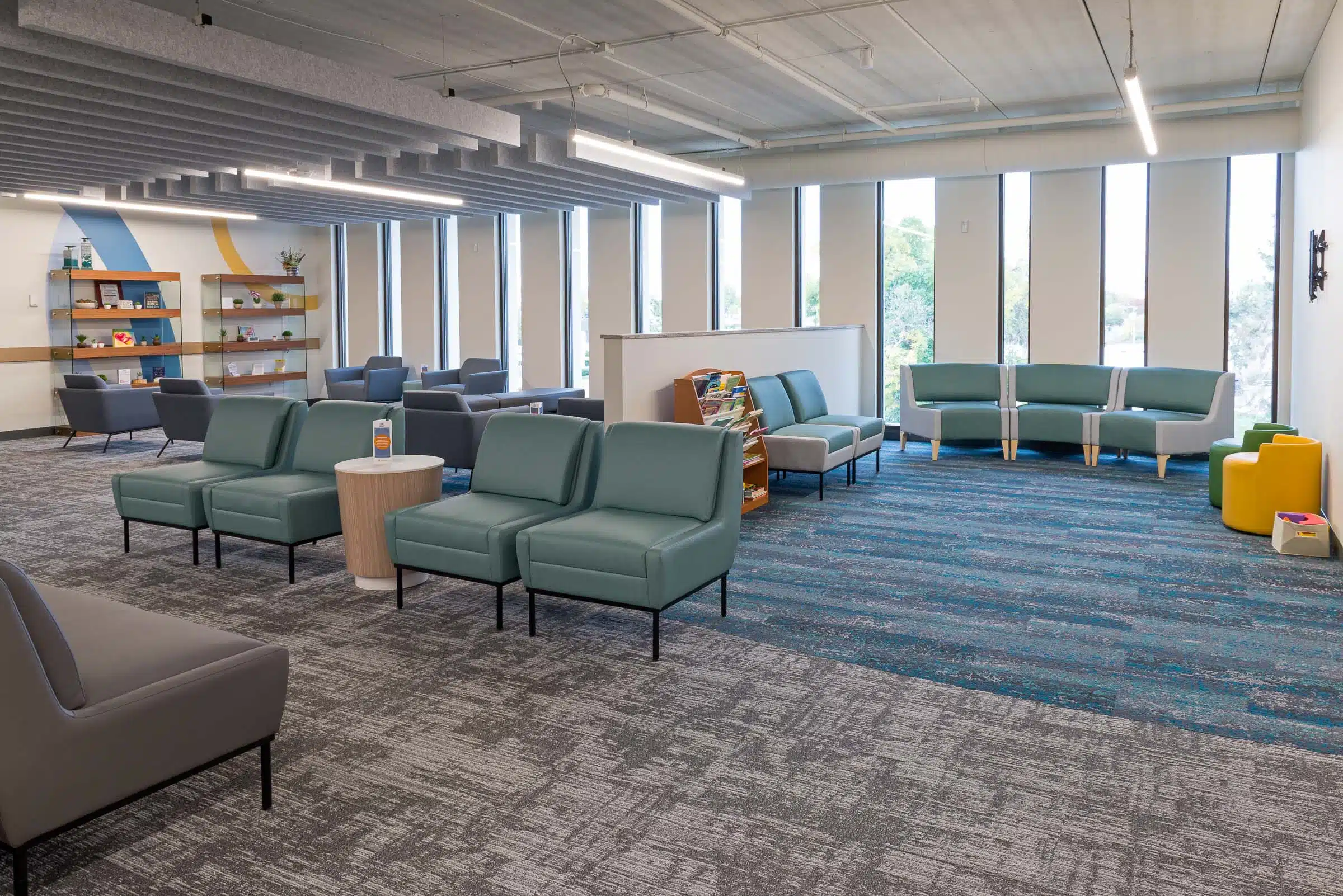
PrairieCare has various levels of care across the Twin Cities and Southern Minnesota to treat people with depression. All our locations have a soothing atmosphere with colors found in nature, plentiful light, and empathetic team members to guide you. Depending on your or your loved one’s needs, we have academic classrooms, gyms, recreational therapy rooms, and more to focus on healing.
With our full continuum of care, people with depression in Minnesota can find the treatment modalities and care level appropriate for their needs. We continue to expand our services and care modalities to accommodate the needs of our community.
Mental Health Services for Depression in the Twin Cities:
- Brooklyn Park Inpatient Hospital
- Brooklyn Park Medical Office Building
- Edina
- Maple Grove
- Maplewood
- Woodbury
Mental Health Services for Depression in Southern Minnesota:
- Mankato
- Rochester
FAQs
What programs are there for depression?
What is the best treatment for mental health?
The best treatment for a mental health condition is one that fits your needs. Each person may experience different symptoms and levels of severity, as well as different modalities that work better for them. Our assessment and intake team are trained to help you find the right fit for your needs.
What are the three levels of depression?
Typically, depression is categorized by levels of severity such as mild, moderate, and severe. All three levels can be treated at PrairieCare with our full continuum of care and specialty tracks.
What is the number one treatment for depression?
There is not one single best treatment for depression, but many people benefit from psychotherapy and medication. Each person needs an appropriate care plan depending on their severity, other diagnoses, age, and previous treatment. For someone experiencing depression, a mental health professional can be beneficial as part of their care team. They can determine a care plan that fits their symptoms, needs, and goals.
What is the hardest type of depression?
Depression can be harder to treat depending on the severity, the time it has gone without being treated, and other co-occurring diagnoses. A patient must also be willing to accept help and be dedicated to working toward finding tools to fit their life.
What is the last stage of depression?
Depression does not always have a final stage, but many people can manage their symptoms or experience remission. Some people may experience one episode of depression, have multiple episodes, or manage depression throughout their life. Finding the appropriate care program and treatment plan is essential. It is important to remember that mental health assistance is available when you need it if new symptoms occur, or you experience new challenges in life.