Yes. We provide medically monitored withdrawal support and symptom management for patients diagnosed with mental health–primary conditions who do not require ICU-level care.

Co-Occurring Substance Use Support in the Twin Cities, MN
Effective Care for Substance Use Disorder
Living with a substance use disorder can be painful, destructive, and isolating. Chemical dependency always has a root cause that needs to be addressed in order for the individual to recover and move forward, such as untreated trauma or a mental health disorder.
At PrairieCare we treat co-occurring mental health and substance use disorders to provide comprehensive care that helps patients on their path to healing. Get started today.
Table of Contents

Inpatient Treatment for Co-Occurring Substance Use
In the fall of 2024, we expanded our co-occurring treatment at our inpatient hospital to support more of our community’s needs. Minnesota data suggests nearly two in five young adults experience serious mental health challenges, with almost a third also struggling with substance use disorders. This expansion enhances our support for adults up to age 35 who face severe mental health symptoms along with a co-occurring substance use issue that may require acute withdrawal.
Connect yourself, a patient, or loved one to comprehensive care by calling 952-826-8475 today.
A patient must have a primary mental health concern to be admitted to our hospital. It is not an appropriate treatment setting for patients who have exclusive substance use concerns, are critically ill, or need additional medical support.
Chemical Dependency vs. Substance Use
Chemical dependency is not the same as problem substance use (often referred to as substance abuse). Problem substance use is when a person uses a substance in a way it was not intended for, such as binge drinking. Another example is when a person is prescribed opioids to reduce pain after surgery, and then continues to use them after the pain has faded in order to get high. Problem alcohol or drug use doesn’t always lead to addiction. However, regular substance use increases a person’s risk of dependency.
SUD vs. Chemical Dependency
A substance use disorder (SUD) and chemical dependency both involve a physical and/or psychological reliance on a substance. However, substance use disorder is an official mental health disorder that can be diagnosed. Chemical dependency describes the addictive process in the body and brain that contributes to a substance use disorder.
Common Drugs That Create Chemical Dependency
Drug use among teens, young adults, and adults can lead to chemical dependency and substance use disorder. Commonly used drugs that can create chemical dependency include the following:
- Alcohol
- Cocaine
- Opioids
- Marijuana
- Misused prescription drugs of any kind
- Hallucinogens, such as psilocybin, ketamine, and DMT
- MDMA, also known as Molly and Ecstasy
- Anabolic steroids
- Fentanyl
- Methamphetamines
Chemical Dependency Statistics in Minnesota
Chemical dependency in Minnesota causes serious health problems in the Twin Cities and throughout the state. The following statistics come from the Minnesota Department of Health:
- Nearly 18 percent of Minnesota adults report excessive alcohol use and binge drinking behaviors, which is among the highest rates in the nation.
- About 5 percent of 9th– and 11th-grade Minnesota children report binge drinking. Underage people who drink alcohol are more likely to struggle with chemical dependency later in life, vs. thosee who don’t drink until age 21.
- Alcohol-related deaths in Minnesota increased by 158 percent between 2000 and 2019.
- Illicit substance use resulting in hospitalization has been increasing among Minnesota adults since 2018.
- Deaths from drug overdose due to synthetic opioids, methamphetamine, and cocaine increased by 22 percent from 2020 to 2021.
Chemical dependency is a serious problem in Minnesota, and many people aren’t getting the help they need to recover from this disease.
Signs and Symptoms of Chemical Dependency
Signs and symptoms of substance use disorder include the following:
- Impaired ability to function in everyday life
- Struggles in relationships, finances, work, school, and/or physical or mental health
- Unable to stick to self-regulated limits on amounts of alcohol or drug intake
- Increased tolerance to alcohol or drugs
- Physically or emotionally craving the substance
- Regular thoughts about how to obtain more drugs or alcohol
- Experiencing symptoms such as headaches, nausea, exhaustion, irritability, and sadness after the substance wears off
- Alcohol withdrawal symptoms, such as difficulty sleeping, shaking, irritability, nausea or vomiting, sweating, or restlessness after the effects of alcohol wears off
- Difficulty sleeping
- Weight loss or gain
- Legal trouble caused by drug or alcohol use (such as DUIs)
- Increase in risky situations or behaviors
- No longer interested in activities that used to be enjoyable or meaningful
- Trying to hide drug or alcohol use from other people
- Lying about drug or alcohol use
The Impact of Drug or Alcohol Addiction
Addiction is a disease of the body and brain, impacting one’s thoughts and behaviors in ways that can feel shameful and scary. The feelings of low self-worth that precede and accompany addiction often serve to reinforce the addiction cycle, causing people to soothe their pain with more drugs or alcohol.
Continuing to use substances may serve as temporary relief from pain and sadness, but it only causes further destruction and harm. Accessing the right support in the midst of a downward spiral of addiction can help individuals find freedom from chemical dependence, low self-worth, and ineffective coping strategies.
Effects of Chemical Dependence
Addiction to alcohol and other drugs can lead to or increase the risk of bodily harm, poor health outcomes, and mental health crises. Risks of chemical dependence include:
- Relationship problems
- Financial problems, including losing one’s job or housing
- Feelings of low self-worth and shame
- Overdose or alcohol poisoning
- Motor vehicle accidents and injuries
- Risky behaviors
- Injuries from falls or violence
- Physical violence
- Sexual harm
- Chronic diseases
- Cancer
- Poor birth outcomes
- Suicide
Causes of Chemical Dependency and Substance Use Disorder
There are many reasons why people of all ages become addicted to substances. These include:
- Genetics, which may account for up to 60 percent of someone’s risk of developing chemical dependency
- Family history of addiction
- Poor coping strategies and lack of mental health resources
- Trauma, PTSD, anxiety disorders, ADHD, and/or depression, which lead people to self-medicate difficult emotions or pain
Almost everyone who finds themselves addicted to drugs or alcohol is trying to cope with challenges in their life and doesn’t know any other way. Maybe it started with peer pressure or partying, but now they can’t get through the day without thinking about or using substances to feel better.
PrairieCare’s Treatment for Mental Health and Substance Use Disorders
PrairieCare provides treatment for primary mental health disorders with co-occurring substance use disorders. We now offer support for patients 35 and younger with a primary mental health concern at our inpatient hospital who have a co-occurring substance use disorder. In our outpatient settings we provide effective, compassionate care for patients who are no longer physically addicted to substances but continue to struggle with the mental health impact of a substance use disorder.
Our services and programs throughout Minnesota include the following treatment options:
- Psychiatry and medication management by a dedicated team of health professionals
- Psychotherapy with our experienced clinicians, which includes Cognitive Behavioral Therapy (CBT), Dialectical Behavioral Therapy (DBT), and more
- Group therapy, in which patients learn coping skills for their symptoms and receive ongoing support and healing in a community setting
- Marriage and Family Therapy, as appropriate
- A variety of specialty therapies facilitated by experts, including art therapy, recreational therapy, and integrative health programs
Connect to Support Today
Call our team at 952-826-8475 to learn more about our services, discuss the insurances we accept, and to take the first step in your mental health journey.
Our Full Continuum of Care
PrairieCare offers a full range of mental health services, from inpatient care for anyone 35 and younger, to outpatient programming for all ages. Our team shapes a treatment plan to fit the unique needs of each patient with the right level of care for the best outcome.
- Inpatient Hospitalization Program: A 24/7 care setting with full-day treatment for patients 35 and younger with acute safety concerns and severe mental health symptoms
- Residential Treatment Program: Full-day inpatient treatment with an average stay of three months, for youth with psychiatric impairment who do not require stabilization
- Partial Hospitalization Program (PHP): Full-day outpatient programming for youth and adults, offering multi-specialty treatment through group, individual, and family therapy sessions
- Intensive Outpatient Program (IOP): Partial-day treatment for youth and adults who are able to participate in regular daily activities but need continued support and structure
- Transcranial Magnetic Stimulation (TMS): A non-invasive therapy option for adults with treatment-resistant depression, proven to create significant improvements
- Clinic Services: In-person and telehealth appointments for psychotherapy and medication management for people of all ages
Our Minnesota Locations
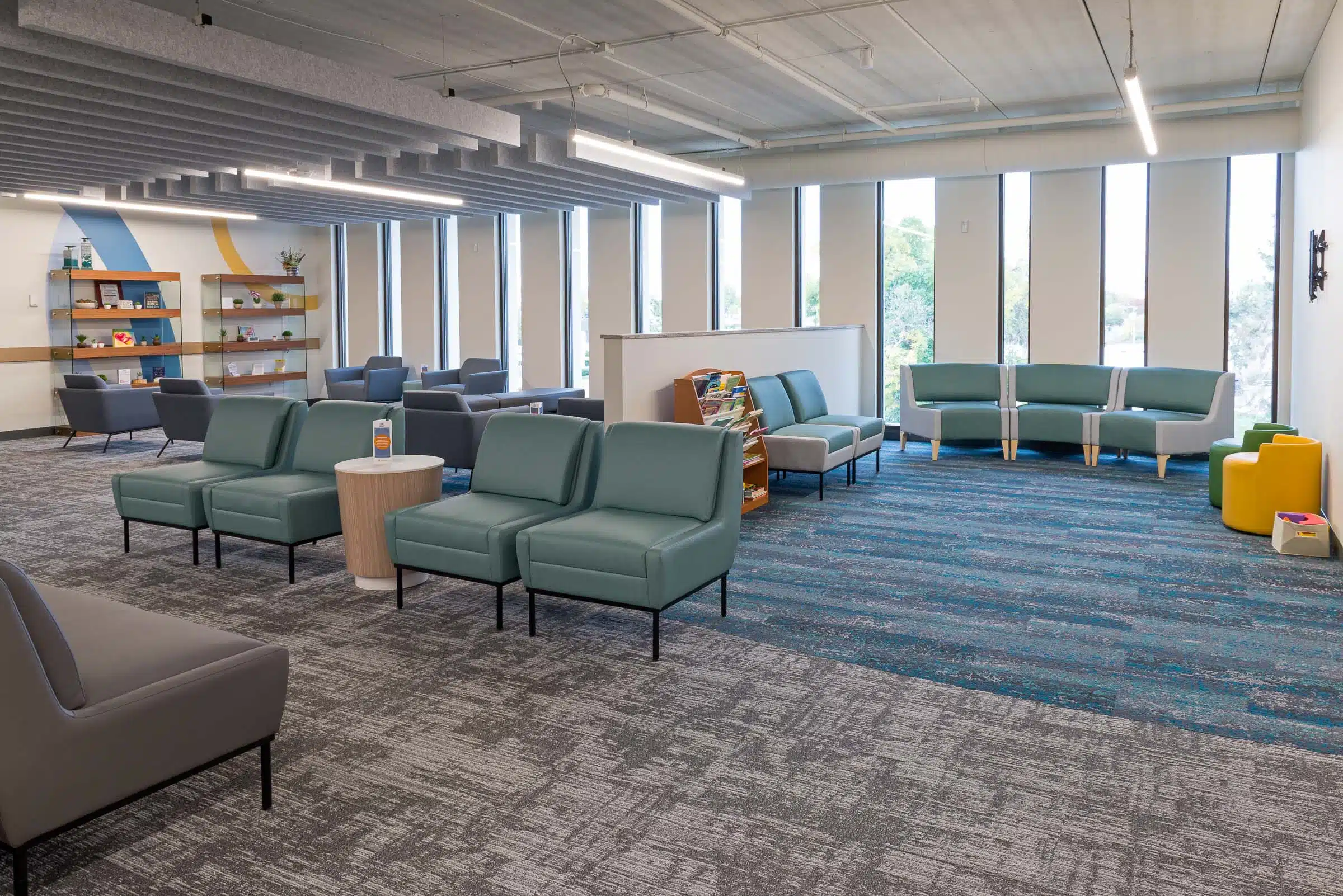
Our Minnesota locations treat mental health disorders and co-occurring substance use featuring soothing environments with natural lighting and colors and a caring and compassionate team of providers. Our facilities have gyms, recreational therapy rooms, sensory rooms, and more, to help provide you or your loved one with everything you need to heal.
Our Mental Health Locations in the Twin Cities
We Can Help
Finding the right treatment can be challenging. At PrairieCare, our team guides you through the process and finds the appropriate care setting, so you and your family can focus on healing.
Are you ready to start the healing process? Call us today at 952-826-8475.
Access a Complimentary Care Questionnaire
Our Admissions Department offers complimentary care questionnaire to determine the best type of treatment for you or your loved one.
FAQs
Does the inpatient hospital have a unit for people who are actively detoxing?
What withdrawal support can the inpatient hospital provide, and who can we not treat?
We use evidence-based SUD treatment approaches, with 24-hour nursing and daily physician oversight. Medically unstable patients should access a higher level of care before being admitted to PrairieCare.
How does PrairieCare keep patients safe who need SUD support?
Our approach includes:
- Vital sign checks
- Substance use assessment to determine diagnosis, treatment, and aftercare
- Medications for alcohol withdrawal and opioid withdrawal as needed
- Family education, therapy, and relapse-prevention planning
Which substances can the inpatient team manage?
We treat withdrawal from alcohol, opioids, stimulants, and cannabis. Our hospital does not admit patients with severe benzodiazepine or barbiturate dependence or polysubstance use requiring ICU monitoring.
How does treatment for a patient with substance use disorder differ from treatment for patients without a substance use disorder?
All patients receive individual therapy, group programming, and medication management. Patients with SUD also receive:
- Daily withdrawal assessments
- Medical support as needed
- Psychoeducation for substance use
- Family sessions with recovery resources
What is the average length of stay for patients with co-occurring substance use disorders?
Average length of stay is 7–10 days, depending on the patient’s withdrawal severity and mental health symptom improvement. We offer step-down options for continued care, including residential treatment for teens and various outpatient programs for all ages.
What's the difference between substance abuse and chemical dependency?
Substance abuse refers to using a substance for an unintended purpose, such as binge drinking or taking prescription opioids to get high. You can abuse a substance without being chemically dependent on that substance. But drug or alcohol abuse often leads to chemical dependency.
What is an example of a substance dependency?
Substance dependency is a physiological, mental, and physical addiction to a substance. For example, if you use opioids on a regular basis for pain relief and to get high, you may soon find that you think about getting high all the time. You start to crave the drug and feel irritable or anxious or sad without it. In addition, you may need more than you used to in order to achieve the desired effect. When you use it, it provides temporary relief, but you may feel withdrawal symptoms afterward, such as nausea, shaking, sadness, etc. Eventually, your priority becomes getting and using more of the substance no matter what.
What is chemical dependency?
Addiction impacts and changes the structure of the brain. It impacts your brain’s reward centers and impairs decision-making, behaviors, and thoughts.
Chemical dependency is defined as physiological, physical, and emotional dependency on a mood- or mind-altering substance. Also referred to as addiction or substance use disorder, chemical dependency is considered a disease of both the body and mind. Addiction changes the structure of the brain and causes substance-seeking compulsions even in the face of dire consequences.
Individuals struggling with substance use disorders often face extreme stigma, shame, and poor mental health. When left untreated, chemical dependency can severely hinder a person’s daily functioning, behaviors, mental and physical health, financial stability, ability to care for themselves, and relationship satisfaction. Addiction treatment in Minnesota can help adolescents, adults, and families navigate the impacts of this disease and greatly improve quality of life.
Chemical dependency is a reliance on any substance—whether that substance is legal, like alcohol, or illicit, like opioids. A person with chemical dependency experiences symptoms on the physiological, physical, and mental levels. Chemical dependency negatively impacts the brain’s reward centers and impairs decision-making. It degrades an individual’s health, relationships, and ability to function on a daily basis.
What causes dependency?
There are many factors that contribute to substance dependency. These include a person’s genetics, whether they have a family history of addiction, and whether they have underlying mental health conditions, such as PTSD, anxiety, depression, or bipolar disorder.