


Many people can understand what it’s like to feel “not right” in their body, clothing, how they appear in the world, or how they feel inside. But for nonbinary or trans people, this sense of dissonance is called gender dysphoria—the distress and discomfort that comes up when a person’s gender identity doesn’t match their gender assigned at birth.
But there’s also a term for the opposite of gender dysphoria. Feeling embodied and comfortable in one’s gender identity and self-expression is known as gender euphoria. Gender euphoria is the happiness, comfort, relief, or sense of “rightness” when a person’s gender identity aligns with their appearance, internal experience, body, and/or the way others recognize and interact with them.
What You’ll Learn
- What is the difference between gender dysphoria and gender euphoria?
- What does gender euphoria feel like for transgender and nonbinary people?
- How can affirmation, community, and self-expression support gender euphoria?
- Can cisgender people experience gender euphoria too?
- How can you support your own or a loved one’s gender journey and mental health?
Quick Read
Gender euphoria is the feeling of joy, comfort, confidence, and authenticity that comes when a person’s gender identity aligns with their appearance, self-expression, body, or the way others recognize them. It is often described as the opposite of gender dysphoria, which is the distress caused by feeling disconnected from one’s assigned gender, body, or social experiences.
For many transgender and nonbinary people, gender euphoria can come from being called the correct name and pronouns, expressing themselves through clothing or appearance, seeing affirming physical changes, feeling accepted by supportive communities, and finally recognizing themselves in the mirror. These experiences can create relief, peace, self-acceptance, and a stronger sense of belonging and agency.
Gender euphoria can improve emotional well-being, resilience, and quality of life. While cisgender people can experience similar feelings of alignment, conversations around gender euphoria often focus on trans and nonbinary people because they face greater barriers, stigma, and lack of affirmation. Celebrating affirming moments, supporting loved ones through respectful and validating language, seeking community when support is limited, and accessing affirming mental health resources when needed.
What is Gender Dysphoria?
Gender dysphoria refers to the psychological distress and discomfort caused by a mismatch between someone’s gender identity and aspects of their body, assigned sex at birth, or social experiences. It can involve some or all of the following experiences:
- Strong discomfort with certain body characteristics, such as chests, genitals, body or facial hair, or muscle tone—which can get worse in summertime, when heat often necessitates wearing less clothing
- Social experiences like being misgendered or forced into gender roles that feel inauthentic
- Feeling unseen by others
- Increased risk of depression, self-harm, and suicide
What Is Gender Euphoria?
Gender euphoria is the opposite of those experiences. A study in the International Journal of Transgender Health, titled ‘A little shiny gender breakthrough’”: Community understandings of gender euphoria” describes gender euphoria as “a joyful feeling of rightness in one’s gender.” This can include:
- Feeling truly seen for the first time
- Comfort with being witnessed or visible in your body
- Feeling emotionally lighter or calmer
- Excitement or joy when gendered correctly
- Looking in the mirror and finally recognizing yourself
- Feeling more confident, grounded, or authentic
Gender euphoria has been shown to improve coping and life skills, increase quality of life, and strengthen emotional resilience for transgender and nonbinary individuals.
What Does Gender Euphoria Feel Like for Trans People?
According to gender research, the term gender euphoria is the experience a trans person has when they feel affirmed in their innate self, with a powerful sense of agency and choice in their identity expression, along with a joyful feeling of emotional peace and self-acceptance. Gender euphoria can manifest as ecstatic joy, often linked to milestones in gender transition, and also as a quieter sense of calmness and relief that occurs with consistent gender affirmation over time.
Experiencing euphoria can be incredibly emotional for people who hadn’t even realized how much discomfort, masking, or disconnection they’d been carrying before finding some level of acceptance and affirmation. Healing from the trauma and distress of gender dysphoria can be one of the happiest, freeing, and most bittersweet journeys of someone’s life.
Gender euphoria can include all or some of these positive gender-related emotions and experiences:
1. Social Affirmation and Recognition
Many transgender and gender diverse people report feeling euphoric when people (friends, family, and strangers alike) use their correct name and pronouns, compliment them in affirming ways, and treat them normally instead of singling them out.
Research from The Trevor Project finds that affirming communication is one of the strongest contributors to feelings of gender euphoria. Correct pronoun use, chosen names, and affirming language are deeply meaningful.
2. Agency
A big contributor to gender-related trauma is the loss of agency that follows negative and overwhelming experiences. Trans people who experience reconnection to choice—the ability to live and express themselves authentically—gain access to euphoria and greater well-being.
3. Embodiment, Appearance, and Self-Expression
Being able to look in the mirror or at photos and like what you see boosts euphoria for many people. Finally recognizing yourself can feel like a huge relief, especially after mind-body trauma that can lead to disconnection from self.
Examples of gender euphoria that can arise from authentic self-expression include:
- Wearing affirming clothing
- Trying a new hairstyle
- Using makeup or skincare in affirming ways
- Wearing a binder or other gender-affirming apparel
- Seeing physical changes from hormone therapy
- Feeling comfortable in photos
- Feeling more connected to your reflection
4. Belonging
Trans people who come out don’t always receive the support they need from family, friends, and their existing community. This is devastating and can lead to strong feelings of isolation, despair, or loneliness.
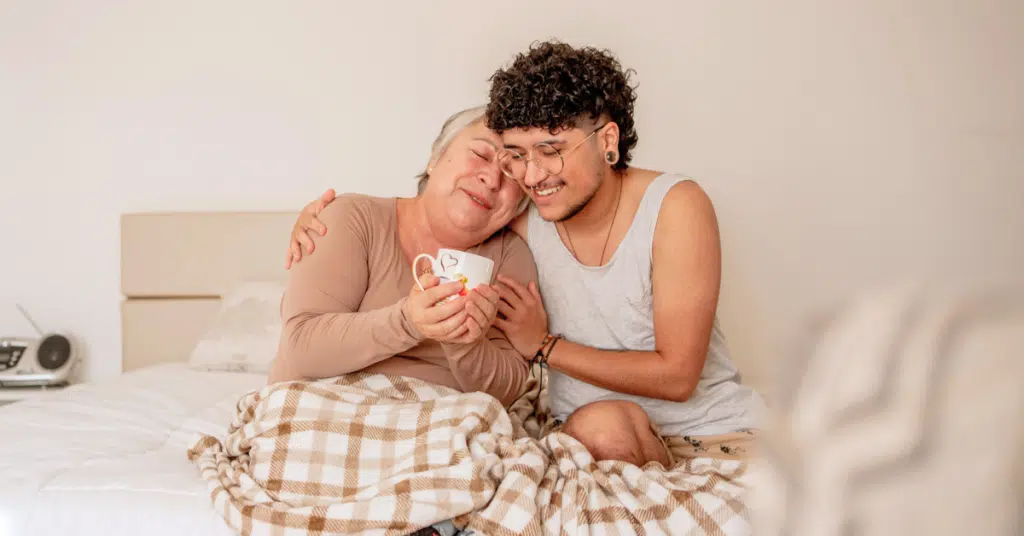
Finding chosen family—other people who see and love you for who you are—is a powerful antidote to loneliness and helps boost gender euphoria. Social support plays a crucial role in the mental health and well-being of transgender individuals, as it can help mitigate the effects of minority stress and enhance resilience.
5. Internal Experiences
The impact of gender euphoria on a person’s internal experience can include:
- A quiet sense of relief and relaxation
- Increased confidence
- Feeling whole or authentic
- Greater connection to self
- Reduced anxiety or shame
- A stronger sense of peace and ease in one’s body
Can Cis People Experience Gender Euphoria?
Gender euphoria is ultimately the positive feeling that comes from alignment between your gender identity and gender expression. While the term is most often discussed in reference to transgender individuals, cisgender people (those who identify as the gender they were assigned at birth) can experience it, too.
The difference is that trans and nonbinary people don’t grow up with a sense of alignment and ease when it comes to gender, like most cis people do. For trans or nonbinary people, gender transition is often a difficult journey of leaving behind the gender they were assigned at birth and becoming fully at home in their body and presentation.
In addition, trans and nonbinary people face more barriers, stigma, danger, and lack of affirmation when they attempt to access those experiences. That’s why conversations about gender euphoria often center trans, nonbinary, and gender-non-conforming people.
How to Celebrate Your Own or a Loved One’s Gender Euphoria
Whether you’re experiencing alignment and “rightness” for the first time, or you have a child, friend, or family member who is, celebrate it! Seeking and celebrating joy is just as important as minimizing distress in the context of gender identity. These tips for fostering gender euphoria can help spark positive emotions.
Celebrating Your Own Euphoria
- Create a “Euphoria Journal”: Document exactly what you were wearing, saying, or doing when you felt the most you. Look back on these affirming moments during tougher, dysphoric days to remind yourself of that peaceful feeling.
- Experiment with Presentation: Take time to safely explore new styles, makeup, or grooming. Try visiting a local stylist who specializes in gender-affirming cuts, or host a clothing swap to find new pieces without financial stress.
- Document the Milestones: Treat your transition-related milestones (like starting hormone replacement therapy, your legal name change, or first binder) with the same significance as a birthday. Snap photos or treat yourself to a special outing.
- Connect with Your Community: Engage in local LGBTQ+ community events, or seek out online groups and forums where you can share triumphs with peers who truly understand.
Celebrating a Loved One’s Euphoria
- Use Affirming Language Naturally: Speak about them using their correct name and pronouns. Small acts of gender affirmation, like using gendered nicknames, offering gendered compliments, or simply treating them exactly as their true gender in social settings, are profoundly validating.
- Ask Mindful Questions: Show genuine curiosity about their journey. Ask them what specific moments make them feel most confident or how you can best support them in everyday life.
- Surprise Them with a Gift: Celebrate them with an affirming gift they might not buy for themselves, such as clothing, jewelry, or cologne/perfume.
- Be Their Hype Squad: Compliment their energy, smile, and style. If they are having a difficult, dysphoria-heavy day, offer fun distractions like a movie night or a craft session to pull their focus back into the present moment.
Finding Support When You Don’t Have External Acceptance
Not everyone has access to affirming family members, a supportive queer community, or safe environments. If local support feels limited, online communities and remote resources can still provide uplifting connection.
Follow people on social media whose stories and gender euphoria resonate with you, or engage in Reddit threads or forums that connect you with real people experiencing similar things as you.
Additionally, organizations like The Trevor Project, Human Rights Campaign, and American Civil Liberties Union offer information about LGBTQ+ rights, advocacy, and resources. The Trevor Project offers crisis counseling 24/7/365 via text or a call.
Mental Health Support in Minnesota
Many people who navigate a gender journey have also faced discrimination, stigmatization, bullying, family conflict or rejection, and other significant challenges. These experiences can lead to anxiety, depression, trauma, and a higher risk of suicide.
At PrairieCare, we provide compassionate support for mental health challenges related to or compounded by gender dysphoria. Our whole-person, personalized approach is gender responsive, according to each person’s gender identity. PrairieCare’s affirming mental healthcare helps young people feel safer, more connected to themselves, and more hopeful about the future.
If you or someone you know is struggling, call us at 952-826-8475. We’re here to answer your questions and help you find the right care option. Or request a complimentary care questionnaire using the link below.

Frequently Asked Questions
What does gender euphoria feel like?
- Gender euphoria can feel like happiness, relief, confidence, excitement, comfort, or emotional alignment. Many people describe it as finally feeling seen or recognized as themselves, whether that’s through their own eyes or the world’s.
Is gender euphoria only experienced by transgender people?
- No. Cisgender people also experience positive feelings when their gender expression aligns with their identity. However, the term is most commonly used in relation to transgender and nonbinary experiences.
Can someone experience gender euphoria without gender dysphoria?
- Yes. Some people recognize feelings of affirmation, joy, or alignment without going through dysphoria first. However, it’s more common to experience both.
Is gender dysphoria a mental illness?
- No, gender dysphoria is not a mental illness. Experiencing distress because you feel out of alignment with your body, your physical appearance, and the way you’re viewed in the world is not an indicator that something is wrong with you.
What should I do if I don’t feel supported in my identity?
- Seek affirming communities, online support spaces, LGBTQ+ organizations, or affirming therapy to help reduce isolation and provide emotional support. Practice other forms of self-care that can help you feel strong or embodied as well, including exercising, spending time in nature, engaging in creative activities, and working toward accessible ways to express your gender authentically.