

Panic attack symptoms come on quickly, and they often feel like they last an eternity. The physical symptoms can be so intense they resemble a heart attack. This frightening experience affects more than 10% of adults in the United States each year, and about 1 in 3 people will experience it at least once during their lifetime.
During a panic attack, the body becomes overwhelmed by an intense anxiety response. This leads to a wide range of distressing symptoms that feel completely out of control: rapid heartbeat, difficulty breathing, dizziness, and chest pain, to name a few.
Learning about panic attack symptoms, what they feel like, and how to get support for anxiety can help you cope with panic attacks when they arise.
What You’ll Learn
- What causes panic attack symptoms?
- How can you tell if what you’re experiencing is a panic attack?
- What’s the difference between a panic attack and an anxiety attack?
- When should you seek professional help for panic attacks?
Quick Read
Panic attacks can come on suddenly and feel completely overwhelming. Your heart races, your chest tightens, and you might feel dizzy, short of breath, or like you’re losing control. Even though panic attacks aren’t life-threatening, the symptoms can mimic a heart attack or other serious condition, making the experience terrifying.
These intense episodes happen when your body’s fight-or-flight response is triggered without a real threat. The nervous system floods your body with stress hormones to prepare you for danger, but in a panic attack, this surge happens out of context. Symptoms like trembling, chest pain, chills, or nausea can last for several minutes before fading, leaving you drained and confused. Though the experience is distressing, it’s your body’s alarm system misfiring.
Understanding what’s happening during a panic attack can make it easier to cope when one strikes. Focusing on deep breathing, repeating calming phrases, or grounding yourself with physical sensations can help calm the nervous system. If panic attacks happen often or start affecting your daily life, professional support at PrairieCare can make a difference.
What is a Panic Attack?
During a panic attack, the nervous system overreacts to a perceived danger, even if there is no actual threat. Panic attacks are alarming and overwhelming, and often come out of nowhere. They can feel like a boulder is crushing your chest, and your heart is going to explode. They usually leave you with a sense of dread and confusion.
Panic attacks aren’t life-threatening, but they cause immense distress. As with other types of anxiety, panic attacks can cause a sense of helplessness and chronic hypervigilance. Many people shrink down their lives, including isolating themselves or no longer doing things they love, in attempts to avoid triggering an attack.
Panic Attack Symptoms
The symptoms of panic attacks are a result of the body’s automatic fight-or-flight response. When your brain senses a direct threat, it releases a temporary host of chemicals to prepare you to survive the situation.
However, when this anxiety response becomes overly intense or is regularly triggered by situations that don’t truly pose a threat, it may be a sign that something deeper is at play.
Common panic attack symptoms include:
1. Intense fear
A sudden sense of doom, terror, or fear of losing control often comes first, and lasts throughout and after the process. Even when there’s no real danger, your body reacts as if there is. It can feel like you’re dying or about to die, which intensifies the fear even more.
2. Difficulty breathing
Feeling unable to take full breaths, a sense that your windpipe is blocked, and hyperventilation are all symptoms of a panic attack. Take deep breaths from your belly to slow down your stress response, letting your stomach expand as you inhale.
3. Trembling or shaking
Your hands, arms, legs, or whole body might shake and tremble during a panic attack. This is a normal anxiety response. Try breathing deeply and focusing on doing one small thing to help your body relax, such as dropping your shoulders or loosening the muscles in your forehead.
4. Numbness or tingling
Feeling numbness or pins and needles in the hands, feet, or face is another common symptom of panic attacks. It’s the result of blood rushing toward vital organs during the fight-or-flight response, temporarily reducing blood flow to the extremities.
5. Sweating or chills
Temperature changes, including clammy palms, sweating through clothing, or feeling a wave of coldness or shivering, can occur even if you’re not doing anything physically demanding. These are more signs of your body’s alarm system kicking in.
6. Nausea or stomach distress
Panic and other types of anxiety can cause other physical symptoms like nausea, vomiting, or stomach cramping.
7. Heart palpitations or chest pain
A racing, pounding, or skipping heartbeat can mimic a heart attack. Seek emergency care if you’re unsure what you’re experiencing, or if chest pain doesn’t subside as the panic attack fades—especially if you haven’t already ruled out heart problems.
8. Dizziness and lightheadedness
Shallow breathing can lower oxygen levels, leading to dizziness or faintness. Sit down or lie back with your legs raised until it passes.
9. Loss of control
Intense fear of losing control can be a symptom of extreme anxiety. The intensity of panic can make you feel detached from yourself or reality, like you’re outside your body or the world isn’t real. Remember, this feeling will pass: Most panic attacks peak and subside within minutes.
While understandably distressing and uncomfortable, these symptoms aren’t dangerous on their own, and will fade as you return to a more regulated state.
Should I Go to the ER for a Panic Attack?
Because panic attacks can mimic serious medical conditions like heart attacks, it’s always safest to go to the ER if you’re unsure what’s happening. Lasting chest pain, shortness of breath, and dizziness should be evaluated by a healthcare professional right away.
Once other medical causes have been ruled out, ongoing panic attacks can be addressed through mental health treatment. If chronic panic or anxiety symptoms become overwhelming, persistent, or lead to unsafe behaviors, it may be time to consider a higher level of care, such as an outpatient program or inpatient hospitalization.
What’s the Difference Between Panic Attacks and Anxiety Attack Symptoms?
Though often used interchangeably, panic attacks and anxiety attacks aren’t the same.
- Anxiety attacks usually build gradually, often in response to a specific stressor. The symptoms, such as worry, restlessness, or tension, can last for hours or even days.
- Panic attacks can occur suddenly, often without a clear identifiable cause. They peak quickly and include more intense and frightening physical sensations like chest pain, dizziness, and fear of dying.
Both can be overwhelming, but panic attacks are more abrupt and often more physically or emotionally distressing.

How to Stop a Panic Attack: 5 Calming Strategies
When you’re in the middle of a panic attack, it can feel impossible to regain control. These five strategies can help you stop a panic attack fast or reduce its intensity.
1. Focus on Breathing
Focusing on slow, steady breathing is one of the most effective ways to alleviate or prevent panic attacks when they arise.
- Slow your breathing down as much as possible.
- Take long, deep breaths from your belly (not your chest).
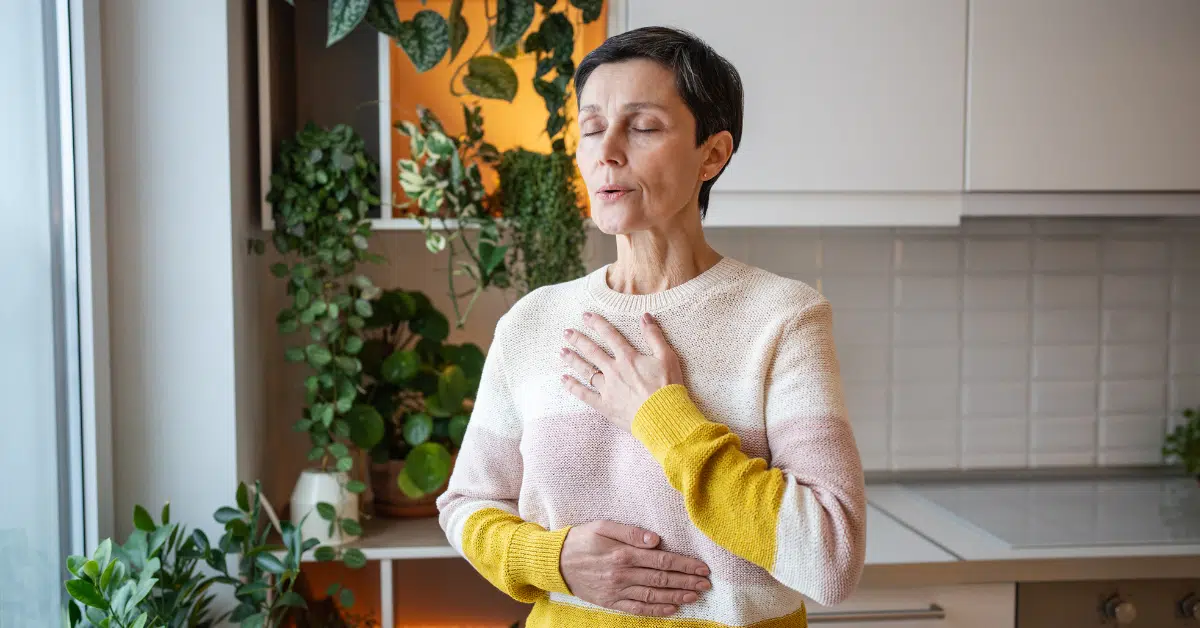
- Place one hand over your heart and one on your belly to physically ground yourself.
- Focus on keeping your exhales longer than your inhales, even if it’s just by a second or so.
- Try counting your breaths to help distract you and give you a sense of control in the moment. Count to 5 or 10, and then start over at 1, repeating for several minutes or until you feel calmer.
2. Have soothing phrases on hand
A panic attack can understandably fill you with terror and racing thoughts, which can prolong the panic. It’s a good idea to have a simple mantra that’s easy to remember in the moment. Repeat things aloud or in your head that are soothing and helpful, like “I am okay” or “I am safe, and this is temporary.”
3. Ride it out
Panic attacks aren’t life threatening, even though they can feel like it. Riding the wave and reminding yourself that you’re safe can help diffuse the fear of current and future panic attacks. The discomfort will pass eventually, and you will be okay.
4. Find a comforting object
Keep soft, comforting objects on hand—a soft blanket, stuffed animal, or squeeze ball—that you can hold or pet to ground yourself during a panic attack. You can also try focusing on something nearby to keep yourself in the present moment, like a doorknob, a tree, or the pattern of the wood grain on the floor.
5. Get support
If the panic attack doesn’t subside after several minutes or you feel unsafe, call 911 or go to the nearest ER. If you experience regular or intensifying panic attacks, consider getting professional therapy to help you find safety in your nervous system.
How to Help Someone Having a Panic Attack
If someone you care about is having a panic attack, your presence can make a big difference. Stay calm, stay with them, and gently encourage them to take slow, deep breaths.
Here are some ways to cope when someone starts to panic:
- Keep yourself calm and speak in a low, gentle voice.
- Remind them to breathe, and breathe slowly with them.
- Stay close to them, but try to avoid touching them unless they specifically ask for it.
- If they’re okay with touch, offer them your hand to hold or squeeze.
- After it’s over, stay with them, bring them water, remind them they’re okay, and offer reassurance.
- If symptoms don’t ease or get worse after several minutes, seek medical help.
Treatment in Minnesota for Panic Attacks and Anxiety
When left untreated, panic attacks can limit your ability to enjoy life and cause chronic feelings of distress, fear, and helplessness. If panic attacks are a recurring part of your life, you don’t have to navigate them by yourself.
PrairieCare’s inpatient and outpatient services offer comprehensive treatment for panic disorders and underlying mental health challenges that cause them. We don’t just fix the symptoms, we address the root causes. Our licensed clinicians offer individual, group, and family therapy to help you understand your triggers, learn practical coping tools, and heal from anxiety.
Whether you or someone you love is experiencing panic attacks for the first time or struggling with chronic anxiety, you’re not alone. We’re here to help, no matter what. Talk with one of our caring professionals at 952-826-8475 to determine the next steps and the right level of care. Or click the button below to request a call from our team.

FAQs
How long does a panic attack typically last?
- Most panic attacks reach their peak within 10 minutes and rarely last longer than 20 to 30 minutes. However, some symptoms, such as fatigue, anxiety, or muscle tension, can persist for several hours afterward. If panic attacks are happening frequently or lasting longer than usual, it can indicate a panic disorder or another underlying condition.
How to stop a panic attack fast?
- To stop a panic attack quickly, focus on taking deep, slow belly breaths and grounding yourself in the present. Try exhaling longer than you inhale, hold a hand to your heart, focus on nearby objects, touch something comforting, or repeat a calming phrase like “I am safe.” If your symptoms don’t ease after several minutes, seek medical help or call 911.
What’s the difference between a panic attack and an anxiety attack?
- Anxiety attacks usually build gradually and are linked to a clear stressor, like work or relationships. Panic attacks come on suddenly, often without an obvious trigger, and include intense physical sensations like chest pain, dizziness, or shortness of breath. Both can feel overwhelming, but panic attacks tend to be more abrupt and physically intense.
Why do panic attacks happen?
- Panic attacks occur when the body’s fight-or-flight response is triggered in the absence of present danger. Factors such as chronic stress, genetics, trauma, medical conditions, or specific substances can make someone more prone to panic attacks. Understanding your triggers can help reduce their frequency and intensity over time.
What is the best treatment for panic attacks?
- The most effective treatments for panic attacks include cognitive behavioral therapy (CBT), medication, and mind-body techniques that teach your body to regulate its response to fear. At PrairieCare, treatment options include inpatient care, partial hospitalization (PHP), and intensive outpatient programs (IOP) that address both the symptoms and underlying causes of panic attacks. A professional evaluation can help determine which level of care is right for you.