
For many people, particularly young adults, holiday celebrations don’t feel complete without a festive drink—or maybe two or three. Whether it’s a holiday meal with family or a New Year’s Eve cocktail party, seasonal events are often inseparable from alcohol consumption.
Stress can also play a role in holiday drinking. Coming home for the holidays after living independently can be hard for young adults, triggering holiday regression and increased alcohol use. This time of year also tends to bring up difficult family dynamics, as well as grief related to divorce, breakups, or relatives who have passed away.
Unfortunately, drinking—either as a coping mechanism or as a way to celebrate—can backfire in terms of health, relationships, and mental health. Read on to learn how college students and other young adults can monitor their holiday drinking so it doesn’t get out of control.
Key Takeaways
- The holidays bring both celebrations and stressors that can trigger increased holiday drinking among young adults.
- Drinking to excess can lead to a range of negative impacts on young adults’ relationships, physical and mental health, academic performance, and more.
- To control holiday drinking, start by identifying drinking triggers and developing positive strategies for coping with seasonal stress.
- If young adults try to control their holiday drinking but are unable to, they may have alcohol use disorder, which requires professional treatment.
Stats on Holiday Drinking Among Young Adults
Not surprisingly, drinking increases among most age groups during the holiday season. According to a recent survey, 65 percent of Gen Z report drinking more alcohol than usual during the holidays. The survey found that 42 percent of young adults consumed 3–4 drinks on the day of a holiday, 16 percent consumed 5–6 drinks, and 13 percent consumed more than 6 drinks.
Additionally,47 percent of men and 40 percent of women report binge drinking on New Year’s Eve. For men, binge drinking equates to drinking five or more alcoholic beverages in two hours. For women, binge drinking equates to four or more drinks within the same time frame. New Year’s Eve is also associated with high percentages of blackout drinking: 27.3 percent of men and 16.7 percent of women drank to the point that they had difficulty recalling the event the next day.
The Negative Consequences of Holiday Drinking
Increased alcohol consumption during the holiday season can lead to both short- and long-term consequences. Here are some of the negative impacts of drinking too much during the holidays.
Relationship Conflicts
Holiday drinking usually takes place with relatives or close friends. Lowered inhibitions open the door to emotional interactions—and these aren’t always sentimental. About 1 in 5 young adults report experiencing distress due to drinking-related incidents, such as a physical fight or heated argument.
Drinking and Driving
Alcohol-impaired crashes involving young adults are more common in December, according to stats from the US Department of Transportation. In a 2022 study, drivers ages 21–34 accounted for the highest percentage (25 percent) of alcohol-impaired drivers involved in fatal traffic crashes in December.
Increased Mental Health Symptoms
The holidays already have a tendency to create feelings of stress and anxiety, and they can bring up specific triggers for those with existing mental health disorders. For example, young people with eating disorders have to deal with meals being the center of get-togethers. Individuals with contamination OCD may face the distress of repeated contact with large numbers of people. This can set up a vicious cycle in which young adults drink more to deal with stress, which ultimately makes mental health symptoms worse.
Legal Issues
Holiday drinking can lead to vandalism and property damage while under the influence. And in turn, that can lead to legal trouble, large fines, and even jail time. As a result, young adults can experience long-term repercussions in terms of college enrollment, employment, and finances.
Higher Risk of Developing Alcohol Use Disorder
While a glass of champagne on New Year’s Eve doesn’t necessarily lead to problematic alcohol use, higher intake can have long-term effects. Heavy drinking has the potential to increase a young adult’s chances of developing alcohol use disorder (AUD). Binge drinking in particular raises the risk of AUD.

8 Tips for How to Drink Less During the Holidays
To drink less during this time, young adults need to have a plan in place for avoiding drinking triggers and substituting healthy activities. Here are some approaches.
#1: Uncover Your Motivation
It’s easier to monitor your alcohol intake during the holiday season if you know why you’re doing it. Think about your short- and long-term goals. Do you want to go into the new year feeling healthy and without regrets? Maybe you want to drink less during the holidays in order to strengthen family connections and avoid negative interactions. Or you might make it your mission to savor the season free of the haze created by excessive alcohol intake.
#2: Identify Your Triggers
Is there a particular relative who pushes your buttons? Are you stressed out by being back in your family home? Does seeing old friends and visiting your high school haunts resurface old patterns that aren’t serving you? When you understand your triggers, you can take steps to plan for them or avoid them altogether.
#3: Set Limits for Holiday Events
Try setting guidelines beforehand on how much you’ll drink on various holiday occasions. This could involve what’s known as low-risk alcohol use. The National Institute on Alcohol Abuse and Alcoholism defines low-risk alcohol use as no more than two drinks per day for men and one per day for women. Another option is to follow the 20-minute rule—take a 20-minute break after you’ve finished one drink before having another one.
#4: Be Prepared for Peer Pressure
If you’re not drinking or limiting your drinking for the holidays, be ready to calmly resist offers of alcohol. You can say, “I’m not drinking tonight,” “I’ve had enough,” or “I’m sober.” Use a white lie if you have to: Blame it on medications you’re taking, like antibiotics or cold and flu medications that interact negatively with alcohol. Do what you need to do in order to reduce your alcohol intake.
#5: Opt for Mocktails
If you’re concerned about going overboard, have one drink and then switch to mocktails (non-alcoholic drinks). Or skip the alcohol altogether and start with mocktails. There are lots of non-alcoholic options that will allow you to enjoy sipping something sweet and celebratory. If you’re hosting a holiday event, be sure to provide appealing alcohol alternatives for yourself and anyone else who may be abstaining. Make it fun and flavorful so you don’t feel like you’re missing out.
#6: Plan Celebrations That Don’t Center Around Alcohol
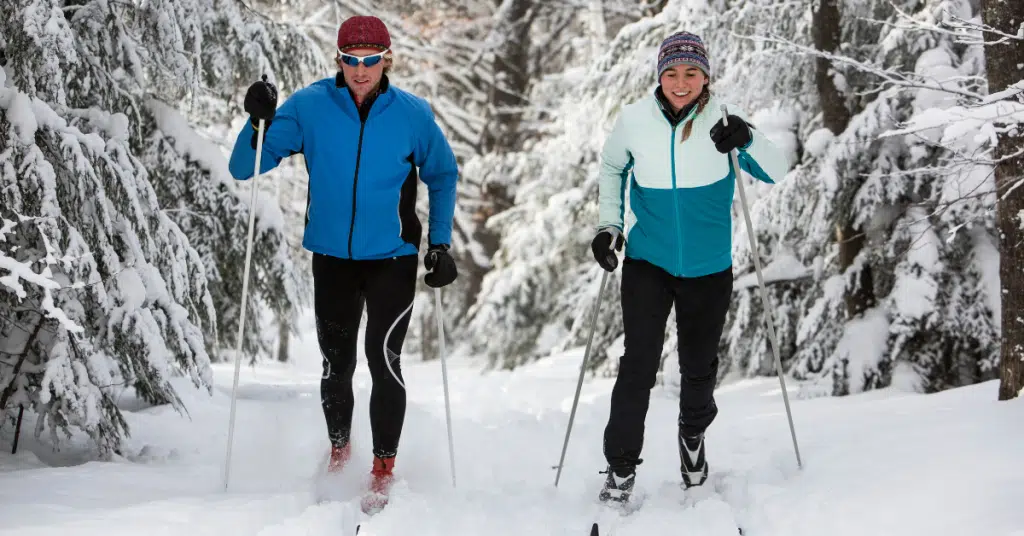
Fill your holiday calendar with activities that don’t involve drinking. Get friends together for an afternoon of ice skating, mini golf, or a movie followed by hot cocoa. Recruit family members to volunteer with you at a food pantry or to deliver holiday meals. Or schedule outdoor group activities, like hiking, skiing, or going to a holiday light show. You could even create your own alcohol-free New Year’s Eve celebration, with board games, dancing, and mocktails.
#7: Find Positive Ways to Manage Holiday Stress
When they’re overwhelmed by holiday pressure, feel irritated by relatives, or want to loosen up in social situations, some young adults turn to alcohol as a coping mechanism. Hence, drinking less during the holidays may require finding new ways to manage stress. Getting enough sleep is huge. Setting boundaries with family can also help. In addition, exercise is one of the best options because it promotes the release of endorphins, the body’s natural feel-good chemicals. Mind-body approaches such as meditation, tai chi, or yoga also alleviate stress.
#8: Access Support
Young adults with an alcohol use disorder may need to set themselves up with additional support during this triggering time. Schedule a mid-holidays check-in with your therapist, counselor, or mentor. Attend a 12-step meeting like Alcoholics Anonymous. If you know you tend to drink too much during the holidays, or at other times, but haven’t accessed professional support yet, now’s the time to do so. Contact your local healthcare provider or call PrairieCare to find out about resources in your area.
Signs of Alcohol Use Disorder
Alcohol addiction looks different for different people. Some people can drink just once a month but can’t stop when they start. Others can drink more often but have no problem monitoring their intake. Essentially, people with an alcohol use disorder can’t control their alcohol consumption, even when they try to. And they keep drinking despite the negative impact on their relationships, grades, health, and other aspects of their life.
There are specific criteria for alcohol use disorder listed in the Diagnostic and Statistical Manual. Whether your disorder is characterized as mild, moderate, or severe depends on how many criteria you meet. Some of these include:
- Drinking more alcohol than you intended to drink on more than one occasion
- Cutting back on or giving up activities you enjoy in order to drink
- Continuing to drink alcohol even though it makes you feel anxious or depressed, or makes a health problem worse
- Craving alcohol—wanting a drink so badly you can’t think about anything else
- Suffering from withdrawal symptoms like shakiness, nausea, sweating, or trouble sleeping when the effects of alcohol wear off
If you find yourself repeatedly binging, experience alcohol withdrawal symptoms, or can’t stop drinking even though you’ve tried, you might need professional treatment.
PrairieCare’s Support for Mental Health and Co-Occurring Substance Use Challenges
At PrairieCare, we address primary mental health disorders that can often cause a reliance on alcohol and other substances. By addressing this intertwined relationship, we can help people of all ages find healthy ways to cope and improve their daily life.
Throughout our continuum of care, we have multidisciplinary teams that provide individualized treatment plans using a whole-person approach. Our treatment includes individual therapy, group therapy, family therapy as needed, and skills groups that allow healing and long-term recovery. In addition, our inpatient hospital provides acute withdrawal for patients 35 and younger with a primary mental health disorder.
With locations throughout the Twin Cities, Mankato, and Rochester, there’s no need to wait to start therapy. Call our team at 952-826-8475 or fill out our request form. Within one business day, a team member will call you to discuss how you are feeling and give you a path to move forward, no matter what.
FAQs
Is drinking during the holidays okay?
- Drinking during the holidays is okay as long as it is not excessive and doesn’t interfere with your life and relationships in a negative way.
Is it normal to binge drink during the holidays?
- Unfortunately, binge drinking during the holidays, especially on New Year’s Eve, is very common. But “normal” doesn’t mean it’s healthy. Drinking excessively and binge drinking can cause a wide variety of negative consequences.
Is it possible not to drink alcohol on New Year’s Eve?
- Definitely. You can drink mocktails, spend the evening with others who aren’t drinking, or create an alternative holiday event without alcohol.
What is the 20-minute rule for drinking less?
- After you’ve finished one drink, take a 20-minute break before you begin drinking your next one. Waiting 20 minutes can reduce cravings and keep you from going overboard.