


There’s a familiar presence in countless homes during the early morning hours. A tail thumping against the wall, an eager, wet nose nudging a hand, or an abrupt bark that reminds us someone is waiting. This steady, loyal (and sometimes annoying) interaction is a consistent part of being a dog owner, and can be a significant support for a person with depression.
A dog’s presence can bring daily unconditional love, structure, and connection—all key factors in nurturing mental health. Their gentle nudge toward the door, their excitement over the smallest moments, or simply their warm weight beside you on the couch can offer an everyday comfort that makes the day feel brighter.
While dogs can’t replace therapy or medication, their companionship can play an important role in emotional wellness. Research consistently shows that spending time with animals reduces stress hormones, increases feel-good chemicals, and encourages healthy routines that support recovery.
Here we dig into why man’s best friend can be a meaningful part of an individual’s care team.
What You’ll Learn
- What can dogs sense about your mental health?
- In what ways do dogs help improve depression symptoms?
- What’s the difference between therapy dogs, service dogs, and emotional support animals?
- What dog breeds are best suited for supporting depression?
- What should you consider before getting a dog for your mental health?
Quick Read
Dogs offer more than just companionship—they can play a meaningful role in supporting mental health, especially for those experiencing depression. Their presence brings unconditional love, structure, and connection, and helps to create daily routines. These simple interactions can boost mood by increasing the levels of feel-good chemicals in the brain and by providing comforting sensory experiences.
Research shows dogs are naturally attuned to human emotions, sensing changes in mood and stress through body language, scent, and tone of voice. This unique connection helps ease feelings of loneliness and anxiety, making dogs an important unofficial part of many people’s emotional support systems.
While dogs are not a substitute for therapy or medication, their companionship can complement professional treatment by reducing stress and promoting social interaction. Ultimately, dogs have a special way of helping people find comfort, joy, and purpose even during difficult times.
Can Dogs Sense Depression and Anxiety?
If you’ve ever noticed your dog hovering near you when you’re upset, you’re not imagining it. Dogs truly can sense depression and anxiety.
Centuries of coevolution between humans and dogs have fine-tuned their ability to attune to each other (and us to them). The earliest domesticated dogs descended from wolves that learned to recognize human cues, such as tone of voice, body language, and even subtle facial expressions. Over time, this connection deepened into a level of understanding and empathy that transcends species and language barriers.
Modern studies back this up. Dogs can detect changes in human scent linked to stress hormones, such as cortisol and adrenaline, and respond accordingly. When they sense sadness or distress, many dogs naturally offer comfort by sitting extra close, nudging your hand, or resting their head in your lap. Some might become extra gentle and quiet; others bring toys or follow you from room to room.
Cats, too, often respond to emotional shifts by curling nearby or purring. But dogs, with their history of working and playing alongside humans, are especially attuned to their person’s moods. They don’t need words to know when something’s off. They just seem to understand.

5 Ways Dogs Help Mental Health
Almost everyone can relate to the joy of spending time with a dog. Even short interactions, like petting a stranger’s friendly dog on a walk, can boost well-being. They’re often silly and playful, which can add much-needed lightness and laughter to daily life. There are many lessons we can learn from dogs and other pets that can benefit our daily well-being.
Studies show that dogs are biologically equipped to understand human social cues like following gestures and maintaining eye contact, with genetics playing a key role in these abilities. Remarkably, dogs and 2-year-old children share similar cooperative communication skills, which suggests that dogs and humans may have evolved comparable social intelligence.
This innate connection highlights dogs’ unique capacity to support emotional well-being and mental health. While a dog’s presence alone can be enough to boost mood, there are also other ways they help ease symptoms of depression.
1. Dogs create routine and purpose.
When depression makes it hard to get out of bed or go outside, a dog’s needs can gently push you toward movement. Feeding, walking, and paying attention to a pet add structure and responsibility to a day that might otherwise feel purposeless.
2. Dogs encourage physical activity.
Even light exercise, like a 15-minute walk, increases serotonin and endorphins, which are the same chemicals targeted by many antidepressants. Being outside together, breathing fresh air and soaking up sunlight (rain or shine), helps brighten your mood and renew your energy.
3. Dogs offer unconditional love.
A dog’s friendship is refreshingly uncomplicated. They won’t judge you when you’re sad, don’t care how you did at school or work, and are unbothered by extra laundry or dishes piling up around the house. Their loyalty and affection provide consistent emotional reinforcement that can counter low self-worth and self-critical thoughts common in depression. Just seeing a wagging tail or their big goofy grins can remind you that you’re loved and valued.
4. Dogs provide sensory comfort.
Petting or snuggling with a dog lowers blood pressure and slows heart rate. It also releases oxytocin, the same hormone that circulates when parents interact with their children or when people spend time with loved ones. The rhythm of a dog’s breathing, the softness of their fur, and their warmth against your body all activate the parasympathetic nervous system to help you relax and feel grounded.
5. Dogs reduce stress and loneliness
A study found that people who interacted with a dog after a stressful task experienced greater mood boosts and reduced anxiety, more than those who tried coloring or waiting quietly. The key factor was simply spending active time with the dog.
When a dog is around, you’re never truly alone. Dogs can brighten the space, encourage conversation, and remind people that connection and a kind heart are essential parts of healing.
Can Dogs Be Trained to Help with Depression?
Dogs can play an essential role in supporting mental health, both through everyday companionship and, in some cases, through specialized training. Although we can’t list every circumstance in which dogs help people, here are a few examples of how they can support in coping with depression and boost mental wellness.
For Patients, Students, and More
Therapy dogs, or facility dogs, are often seen interacting with patients in clinics and hospital settings, but they can also be used in court, schools, and more. They can provide comfort, playfulness, and companionship that help ease symptoms of depression, anxiety, and loneliness. Whether in the waiting room or near a patient’s bed, therapy dogs can be a source of happiness and hope.
Animal-assisted therapy in hospitals and even courthouse facility dogs (meet Nova) have shown similar results: reduced anxiety and improved mood. This is incredibly helpful during what are typically stressful times.
For People Who Are Incarcerated
Dogs have even been paired with incarcerated people in Arkansas to help inmates build skills like responsibility, patience, and purpose. The loving human interaction also prepares the dogs for adoption. Rates of mental health issues are twice as high for people in prison, so this trusted relationship can provide a source of positive interaction. It truly shows the healing power of human-dog relationships.
For People with Physical and Mental Health Needs
Psychiatric service dogs are trained to perform specific tasks for someone with a mental health disorder who has symptoms that disrupt their daily life and is considered a disability. They’re protected by the Americans with Disabilities (ADA) but only qualify if they’re trained to help, for example, by sensing an incoming panic attack.
Emotional support animals (ESAs) offer comfort through their presence, but because they aren’t trained for specific tasks, they aren’t considered service animals under the ADA.
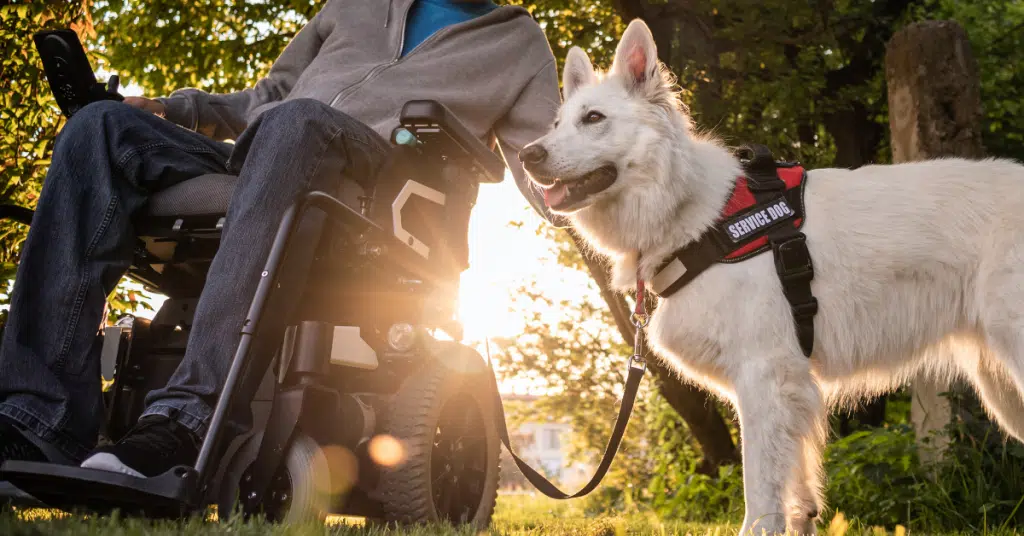
Psychiatric service dogs have been especially well studied among veterans with PTSD, with research showing improved daily well-being and reduced suicidality. Service dogs that help with physical disabilities also offer mental health benefits. For example, wheelchair users report more positive social interactions and greater confidence going out in public once partnered with a service dog.
Whether a dog is a trained partner or a beloved pet, one thing is clear: dogs can meaningfully support mental health.
Best Dog Breeds for Anxiety and Depression
While the connection between dogs and mental health is universal, certain breeds are known for their gentle temperaments and comforting personalities. However, the most crucial factor isn’t the breed, it’s the bond you form with your dog.
Rather than focusing on the best dog breed for anxiety and depression, focus on the best match for your lifestyle. A dog that fits your energy level and daily rhythm is more likely to thrive, and so are you. Here’s a few examples to start thinking about the right fit for you:
- If you get outside a lot and go for hikes or live on a farm, get a dog that needs a lot of daily exercise, like a border collie or Australian shepherd.
- If you’re looking for a calm presence, dogs like basset hounds tend to enjoy lounging and gentle walks, and smaller dogs are great for apartment living or limited space.
- If you want a dog that likes more of a balance between play and snuggles, golden retrievers or labs are famously loving and enjoy active time with their people.
If you’re thinking about adopting but are unsure, consider fostering first. Spending a few weeks with a dog can help you see whether your personalities and routines mesh before making a lifelong commitment.
When Getting a Dog Isn’t the Best Idea
As magical as dogs can be, they’re also a significant responsibility. It’s important to consider whether adding one to your life will truly support your mental health right now.
You may want to wait or find alternative ways to connect with animals if:
- You’re in an unstable living situation, or you can’t have pets where you live.
- Your schedule leaves little time for walks, play, or training.
- You’re struggling financially and can’t afford food, grooming, or vet bills.
- You travel frequently or work long hours outside your home each day.
If you’re not ready for full-time pet ownership, volunteering at an animal shelter can be an equally rewarding way to experience the joy of dogs. Many shelters welcome volunteers to walk or socialize with dogs who are waiting for homes.
How PrairieCare Helps with Depression
If you or someone you love is struggling with depression, PrairieCare is here to help. Our compassionate team provides a full continuum of care designed to meet you exactly where you are in your healing journey. From outpatient therapy to intensive outpatient (IOP), partial hospitalization (PHP), and inpatient hospitalization, we meet you where you are so you get the best mental health treatment available.
Our goal is to help you or your loved one rediscover stability, purpose, and joy, even when depression makes that feel impossible. With locations across Minnesota and virtual care options, PrairieCare makes quality mental health treatment accessible and supportive.
If you’re ready to take the first step, call us at 952-826-8475 to learn more about our depression treatment options or request a complimentary care questionnaire using the button below. No matter who you are or what you’re struggling with, we’re here to help.

FAQs
Can dogs sense depression and anxiety?
- Yes. Dogs can detect changes in body language, scent, and tone that signal distress. Many respond with comforting behaviors, such as staying close, licking your hand, or lying their head on your lap.
What do dogs do when you’re depressed?
- Every dog is different, but many instinctively try to comfort their owner. They may get quieter, gentler, more protective, or physically closer to you. Some dogs can interrupt negative thought spirals simply by demanding attention or playtime.
Can a dog help a depressed person?
- Absolutely. While dogs can’t replace professional treatment, they can complement it by providing companionship, structure, and opportunities for exercise and connection. Studies show that dog owners report lower rates of loneliness and improved emotional well-being.
Can my anxiety affect my dog?
- Yes. Dogs often mirror their owners’ emotions. If you’re anxious, your dog may become more restless or clingy. Maintaining a calm environment and consistent routine helps both of you feel more secure.
Does owning a dog help with depression?
- For many people, yes. The act of caring for a dog, along with the companionship and unconditional love they offer, can ease feelings of isolation and sadness. However, it’s most effective when combined with therapy, medication, or other treatment recommended by a mental health professional.
Which dog is best for depression?
- There’s no one-size-fits-all answer. The “best” dog is one whose personality, size, and energy level match your needs and living situation. A good fit leads to a stronger, more supportive bond for both of you.