

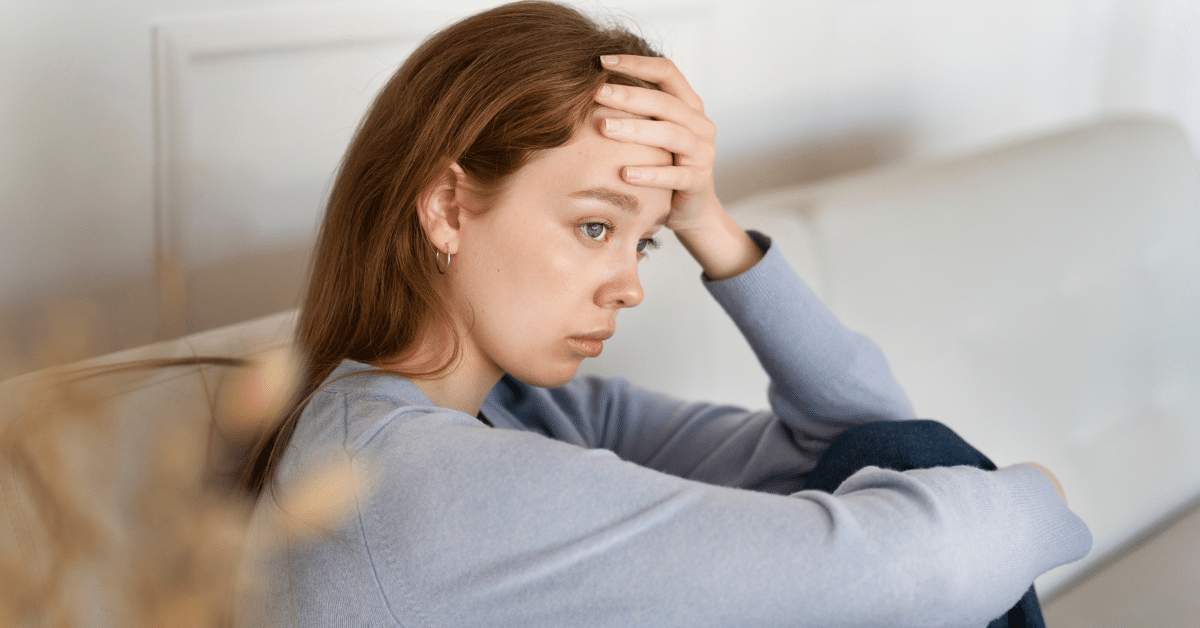
Anxiety is one of the most common mental health concerns. At its core, anxiety is a response to stress or change. Feeling nervous before starting a new job, giving a presentation, or making a significant decision is a healthy signal from the brain and body. In fact, it heightens awareness and helps us prepare for the challenges ahead. This type of anxiety usually fades once the stressor passes.
However, for many people, anxiety becomes a persistent and overwhelming backdrop to everyday life. It often interferes with daily functioning, physical health, and relationships. When anxiety doesn’t ease on its own or gets worse over time, it can indicate a more serious anxiety disorder. Understanding the different types, signs, and symptoms of anxiety can guide individuals toward the most appropriate treatment.
What You’ll Learn
- What are the different types of anxiety?
- When does everyday worry cross the line into an anxiety disorder?
- What are the key signs and symptoms that anxiety is interfering with daily life?
- How can you recognize an anxiety or panic attack?
- What treatment options are available to support recovery?
Quick Read
Anxiety is one of the most common mental health concerns, and it shows up in many ways. At its core, anxiety is the body’s natural response to stress or change. Feeling nervous about a significant life event is normal—and sometimes even helpful—as it sharpens focus and prepares us for challenges. In most cases, this type of anxiety fades once the stressor passes.
For some people, though, anxiety doesn’t go away. Instead, it becomes a constant presence that interferes with daily life, relationships, and physical health. When worries feel uncontrollable, restlessness becomes overwhelming, or physical symptoms like headaches, stomachaches, and sleep problems appear, it may signal a more serious anxiety disorder.
The good news is that anxiety is highly treatable. Professional support—whether through therapy, medication, or structured programs like Intensive Outpatient Programs (IOP) or Partial Hospitalization Programs (PHP)—provides strategies, tools, and a path toward relief. If anxiety feels like it’s running your life rather than taking a backseat, reaching out for help can be the first step toward lasting change.
Types of Anxiety
Anxiety takes many forms, and professional evaluation can help clarify which type someone may be experiencing. Some of the most common include:
- Generalized Anxiety Disorder (GAD): GAD is marked by persistent and underlying worry about everyday life.
- Panic Disorder: Recurrent panic attacks occur, often seemingly out of nowhere, accompanied by intense physical symptoms.
- Social Anxiety: The experience of extreme fear of judgment, rejection, or humiliation in social settings.
- Obsessive-Compulsive Disorder (OCD): Intrusive thoughts and repetitive behaviors form a coping mechanism for the intrusive thoughts.
- School-Related Anxiety: Common in adolescents, school anxiety is explicitly linked to academic pressures, college admission, and challenges at school or with peers.
- Specific Phobias: A phobia is an intense, persistent fear of a particular object or situation, such as claustrophobia (fear of small, enclosed spaces), agoraphobia (fear of open or crowded spaces), or trypanophobia (fear of needles).
- Separation Anxiety: Excessive fear about being apart from caregivers or loved ones.
When to Seek Help for Anxiety
Some types of worry are normal and protective, indicating that the brain and body are functioning as they should. External stressors, such as a significant life transition or an important event, naturally heighten alertness, motivation, and focus. This type of stress is considered healthy, and it typically subsides after the event or adjustment period has passed.
While the terms “stress” and “anxiety” are sometimes used interchangeably, they aren’t the same. The main difference between stress and anxiety is that anxiety persists and becomes chronic after those external stressors fade.
This chronic anxiety tends to:
- Continue for weeks or months
- Not associated with external stressors, but instead feels like an unshakeable sense of uneasiness.
- Interfere with daily functioning (work, school, relationships, sleep, eating, and activities)
- Cause physical health issues such as chronic tension, pain, stomachaches, and headaches.
- Make it difficult to socialize or enjoy life
These symptoms are often a sign that someone needs additional support.
6 Signs and Symptoms of Anxiety
While anxiety can look different for everyone, there are common behavioral and mental signs and symptoms of anxiety, as well as physical signs of anxiety that are often universal among people who experience it. Here are six signs and symptoms that indicate anxiety may be interfering with daily life in ways that need professional support.
1. Persistent Worry or Rumination
Constant worrying or ruminating feels like cycling through the same thoughts repeatedly, and feeling helpless to turn them off. These endlessly circling thoughts often feel uncontrollable, consume mental energy, and make it difficult to focus on everyday tasks or enjoy activities.
2. Restlessness or Agitation
Anxiety can make sitting still, concentrating, or relaxing feel impossible. Instead, someone may experience a persistent sense of unease or a feeling of being on edge. Restlessness often accompanies irritability and a state of hypervigilance that can feel exhausting over time.
3. Physical Problems
Anxiety often shows up in the body as pain or discomfort. Muscle tightness, stomach upset, headaches, a rapid heartbeat, nausea, and pain throughout the body can all be physical signs of anxiety. When these symptoms become chronic, they amplify stress and health issues.
4. Sleep Problems
Difficulty falling or staying asleep is a hallmark of anxiety. Many individuals lie awake replaying worries, struggle with frequent waking, or wake up feeling exhausted. In turn, problems with sleep lead to even worse anxiety.
5. Avoidance Behaviors
Steering clear of stressful situations is a common coping mechanism. People may begin avoiding social events, school, or responsibilities to prevent anxious feelings. While this may offer temporary relief, avoidance tends to reinforce anxiety and limit opportunities for growth and connection.
6. Changes in Mood or Functioning
Anxiety significantly affects mood and performance. It may manifest as irritability, emotional withdrawal, or a decline in academic or work performance. It can also heighten sensitivity to criticism, decrease motivation, cause mood swings, and make everyday responsibilities feel overwhelming.
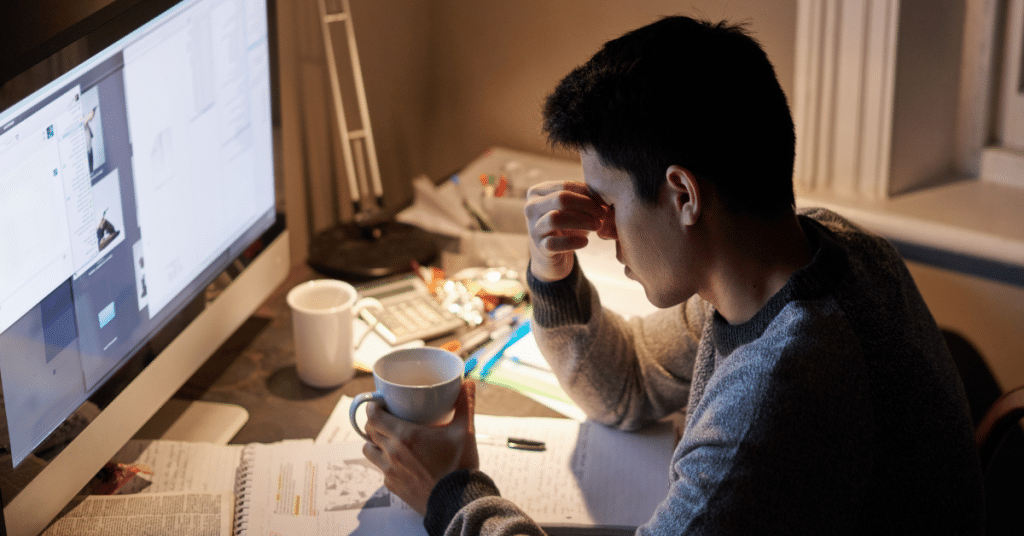
Signs of an Anxiety Attack
An anxiety or panic attack often comes on seemingly out of nowhere and is frightening and overwhelming. Signs include:
- Sudden, intense fear
- Shortness of breath or chest pain
- Dizziness, shaking, or sweating
- A sense of impending danger or loss of control
During an attack, grounding techniques such as slow breathing, touching or holding a comforting object, counting slowly to 10, or focusing on something calming in the surrounding environment can help reduce intensity.
The 3-3-3 rule can also help. This involves focusing on three things visible in one’s environment, three things one can hear, and three calming things one can feel (such as the ground beneath them, their fingertips pressed together, or a hand over their heart).
However, because of the frightening nature of panic attacks, many individuals find it challenging to calm themselves in the moment.
Does Anxiety Go Away on Its Own?
Mild anxiety related to a temporary stressor should resolve naturally. However, anxiety disorders do not simply go away on their own. Left untreated, symptoms may worsen and have a lasting impact on long-term health and functioning. Professional support provides tools, strategies, and insight for sustainable healing.
Anxiety Treatment at PrairieCare
There are many treatment options for anxiety, depending on the scope and severity of symptoms. For individuals whose anxiety significantly interferes with life but does not pose an immediate safety risk, an outpatient program, such as a Partial Hospitalization Program (PHP) or an Intensive Outpatient Program (IOP), offers effective, consistent, and comprehensive support.
What Is an IOP and PHP?
An IOP and a PHP provide structured treatment in an outpatient setting. It is ideal for individuals experiencing significant symptoms. An IOP is ideal for someone who can manage some daily responsibilities, such as attending school or working part-time. Meanwhile, PHP is a full-day program where someone focuses on treatment for most of the day and returns home every night.
Who Might Benefit from IOP?
People who benefit from IOP or PHP include:
- Adults or adolescents who need more comprehensive support than weekly therapy can provide.
- Individuals transitioning from inpatient care.
- People navigating postpartum or pregnancy-related challenges.
- Anyone looking for skill-building support without 24-hour care.
What Does IOP and PHP Involve?
IOP takes place 3-4 hours per day, three to five days per week. While PHP is a full-day program that meets multiple times a week. Both programs include tailored psychoeducation, group therapy, individual therapy, coping skills training, medication support, and psychiatric care. PHP also includes an academic component for adolescents currently in school.
Available across Minnesota for all age groups, IOPs and PHPs are an effective treatment option for individuals with anxiety challenges. Each level of care offers a different approach to recovery that can be beneficial for their symptoms and life.
Finding the Best Approach
When anxiety reaches the point of interfering with daily life, a conversation with a professional is the best place to start. For anyone with questions about the appropriate level of care or what the next steps might look like, we are here to help.
Please call us at 952-826-8475 or contact us online to learn more.

FAQs
What are five signs you have anxiety?
- Common signs of anxiety include persistent worry, restlessness, avoidance of situations that trigger fear or distress, and physical symptoms.
What is life like with anxiety?
- Living with anxiety often means carrying a constant sense of unease that affects mood, relationships, and daily responsibilities. It can make simple tasks feel overwhelming and can interfere with performance at school, work, or home.
How do I deal with anxiety?
- Managing anxiety typically involves a combination of coping skills, healthy lifestyle practices, and professional support. Treatment such as therapy, medication, or structured programs like Intensive Outpatient Programs (IOP) can provide long-term tools for relief.
How to handle an anxiety attack?
- Grounding strategies such as slow breathing, counting, or focusing on the environment can help reduce intensity. The 3-3-3 rule – identifying three things you see, hear, and feel – can also be a helpful technique. However, many people benefit from professional guidance to manage recurring attacks.
Can anxiety cause nausea?
- Yes, anxiety can cause nausea. Anxiety often affects the mind-body connection, and nausea is a common physical symptom. Stomach upset, headaches, and muscle pain may also accompany anxiety.
What is the 3-3-3 rule of anxiety?
- The 3-3-3 rule is a grounding technique used during moments of heightened anxiety or panic attacks. It involves naming three things in one’s environment they can see, three things they can hear, and three calming physical sensations they can notice or create.