


It’s back to the grind, as they say in the business world. The excitement of the holidays—the tree trimming, gift exchanges, and New Year’s fireworks—have come to an end. And January has landed like a dark, dreary, abyss.
While research shows that 64 percent of people experience high levels of stress and depression during the holiday season, others experience what’s known as a post-holiday “letdown.” Going from the holiday high back to the reality of everyday life can create feelings of emptiness, loneliness, and disappointment. Children and teens can experience these emotions as they say goodbye to family members, readjust their sleep schedules, and get ready to head back to class.
In this article, we’ll share how to distinguish typical post-holiday blues with a more serious mental health concern, such as seasonal affective disorder or depression. We’ll also share tips to help your child beat the blues more quickly so they can enjoy all the new year has to offer.
What You’ll Learn
- What’s the difference between typical post-holiday blues and a serious mental health concern?
- Why do kids and teens often struggle emotionally after the holidays end?
- What are the most common signs of post-holiday letdown in children and teens?
- How is post-holiday sadness different from seasonal affective disorder (SAD)?
- What practical steps can parents take to help kids feel more supported?
Quick Read
The end of the holidays can feel like an emotional drop-off for many kids and teens. After weeks of anticipation, family gatherings, and time off from school, January can bring feelings of sadness, emptiness, irritability, or anxiety. This “post-holiday letdown” is common and often tied to changes in routine, reduced stimulation, less daylight, and saying goodbye to loved ones.
While post-holiday blues are usually temporary and improve within a few weeks, some symptoms may overlap with seasonal affective disorder or depression. Ongoing low mood, withdrawal, sleep changes, difficulty concentrating, or school refusal that last longer than two weeks may signal the need for additional support or a professional mental health evaluation.
The good news is that parents can play a powerful role in helping kids recover. Reestablishing routines, encouraging movement and time outdoors, limiting social media, and giving children something to look forward to can all help ease the transition. When symptoms feel intense, persistent, or disruptive to daily life, reaching out for professional help can make all the difference—for your child and for your peace of mind.
The Post-Holiday Letdown Effect and What Causes It
The post-holiday blues refers to the temporary feelings that some experience after the holidays. Many kids feel a great sense of letdown after months of anticipation and planned activities. They may even feel a sense of dread as they look ahead to the cold, dark winter months, or they may have anxiety about going back to school after winter break. Teens are also facing a long stretch on the calendar with no holidays or breaks to look forward to.
“Looking ahead to something like the holidays can feel exciting, but when the event has passed, the loss of that excitement can feel bad,” said Naomi Torres-Mackie, PhD, a clinical psychologist and head of research at The Mental Health Coalition, told Health. “There can almost be a sense of emotional withdrawal from the holiday cheer.”
Many children experience feelings of sadness or melancholy after the holidays for a variety of reasons:
Dopamine Crash
The anticipation of the holidays and all that comes with it—gift exchanges, family gatherings, decorating, etc.—all release dopamine, the feel-good chemical in the brain. This release can make you feel energized and euphoric. When the high of the holidays comes to an abrupt halt, dopamine levels can crash, causing symptoms such as:
- Feeling depleted and unmotivated
- Difficulty concentrating
- Increased fatigue, sleepiness
- Irritability
- Frustration or disappointment
Disruption of Routine
Children and teens thrive on routine, even if they don’t realize they do. The winter break disrupts the structured schedule that comes with school, sports, and other extracurricular activities. Many teens also use winter break to “catch up” on sleep. But this might actually contribute to or worsen their feelings of sadness. There is research that suggests that getting too much sleep—more than the recommended 8–9 hours—may contribute to depression symptoms.
Missing Family
Kids who have a parent or extended family who live far away can experience feelings of loneliness, and disappointment that their holiday celebrations didn’t include them. If your child is grieving the loss of a loved one, or adjusting to life as a family after divorce, they may need additional support from a mental health professional to work through the stages of grief.
Signs Your Child May Have the Post-Holiday Blues
The good thing is that the post-holiday letdown effect is typically short-lived, lasting just a few weeks. Once your child is back into the rhythm of their normal routine, these feelings tend to dissipate. If they experience signs of depression lasting longer than two weeks, however, you may want to consider a mental health screening.
If you observe any of these signs in your child after the holidays, they may be experiencing post-holiday letdown.
- Mood swings, including feelings of sadness, anger, or loneliness
- Spending more time alone
- Sleep changes
- Decreased motivation
- Feeling anxious or stressed
- Difficulty concentrating
- School refusal or noticeable stress and anxiety about returning to school
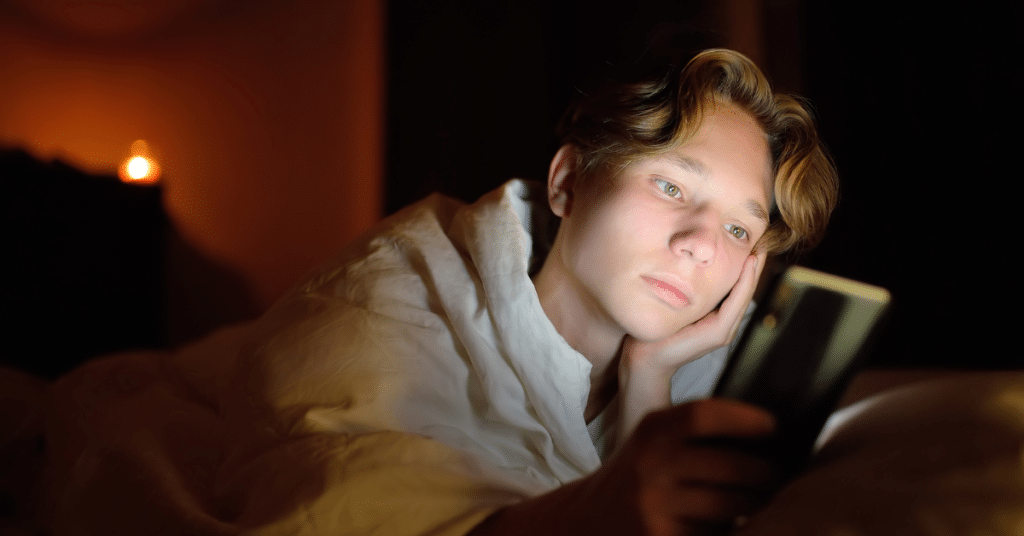
Post Holiday-Letdown vs. Seasonal Affective Disorder
For some teens, the winter months can trigger seasonal affective disorder (SAD), a type of depression that occurs at certain times of the year, often in winter when there is less natural sunlight. Since much of our vitamin D comes from the sun, the darker winter months can create a vitamin D deficiency, causing depression symptoms.
Furthermore, the change in season can disrupt the balance of melatonin, which plays a role in sleep patterns and mood. Darkness increases the body’s production of melatonin. Therefore, people with SAD tend to feel sleepy and sluggish.
It is important to monitor your child’s behavior after the holidays. Many of the signs of post-holiday blues overlap with SAD. If symptoms last longer than two weeks, your child could be struggling with SAD or another mental health issue, which may require professional help. Severe consequences of SAD can include social withdrawal, difficulties at school or work, substance use, and even suicidal thoughts or behavior.
Ways to Help Kids and Teens Beat the Post-Holiday Blues
Finding ways to lift a child’s spirits and help them regain a sense of routine and purpose will go a long way in improving their mood and energy levels. Here are some effective strategies:
Establish a Routine
Getting back to a regular schedule can help create a sense of normalcy and better prepare teens for that 6:00 am alarm after weeks of sleeping in. Set daily routines for, exercise, meals, sleep, and relaxation. Daily routines are especially particularly important for teenagers who struggle with depression, anxiety, or who feel anxious about going back to school after winter break.
Stay Active and Get Outside
Keeping your teen’s mind and body active helps lessen the blow of the post-holiday letdown and impending doom and gloom often associated with January, February, and March. Physical activity can boost your child’s mood by releasing endorphins. Consider incorporating regular exercise after the holidays, whether it’s walking, joining a gym, or involving them in a sports program at school. Keep their mind busy with activities away from the screen with game nights, family outings, or art projects.
Yes, it’s cold. Possibly snowing. And your kid just wants to stay under the covers. But be sure to get them outside, even if it’s just for a few minutes. Daily exposure to sunlight has proven health benefits, including facilitating the body’s production of Vitamin D, improving mood by boosting serotonin levels, and regulating circadian rhythm for better sleep. If you enjoy the cold weather, consider packing your winter months with activities such as skiing, snowmobiling, snowboarding, and ice skating.
Always Have Something to Look Forward to
Mark some important dates on the calendar that the whole family can look forward to. It could be something as simple as a trip to the mall or arcade, or something more elaborate, such as a family vacation or weekend getaway. Numerous studies shows that having something to look forward to helps you improve mood, increase happiness, and recover from stress more easily.
Limit Social Media
Sometimes, social media can exacerbate feelings of sadness or emptiness. Teens may be scrolling through friends’ feeds and end up envious of their “picture perfect” holiday gatherings. Maybe they received extravagant gifts or traveled to a warmer location for winter break. Unplugging from social media can help your teen appreciate what’s right in front of them rather than longing for what is often scripted and filtered versions of reality.

Could It be Teen Depression?
If your child or teen seems off after the holidays and you are unsure whether it’s post-holiday sadness or something more serious, consider this. Depression is not something you can “snap out of” or white-knuckle through. Most adolescents with depression don’t get better on their own. If the warning signs are severe, last more than a week or two, and extend to multiple areas of their life, they may be dealing with a type of depression.
Sustainable healing requires long-term treatment to address the underlying causes and symptoms of depression in kids. Without treatment, depression can interfere with relationships, academic performance, self-esteem, and can lead to substance use, suicidal thoughts and behaviors, or self-harm.
Contact us today at 952-826-8475 if you feel your child or teen needs professional help getting through the post-holiday letdown or if you feel they may be suffering with a mental health issue that extends beyond typical winter blues. The best time to access support for mental health is always now.

Frequently Asked Questions
Is post-holiday letdown a real thing?
- Yes. Months of anticipation, planning, celebrations, and gift giving can create feelings of sadness and emptiness when it’s time to get back to work, school, and everyday life.
How do I beat the post-holiday blues?
- It’s important to get back to a solid routine that involves daily movement, exposure to sunlight, and a regular sleeping pattern.
Is post-holiday letdown different than seasonal affective disorder?
- Yes. Post-holiday blues usually subside after a week or two once the typical routine is reestablished. Season affective disorder typically lasts longer than a few weeks. Severe consequences of SAD can include social withdrawal, difficulties at school or work, substance use, and even suicidal thoughts or behavior.
When should I be concerned that my teen is still sad after the holidays?
- If your teens exhibit symptoms of depression for longer than two weeks, they may benefit from a mental health assessment.
Sources
- BMC Psychiatry 24, 323 (2024)
- National Institutes of Health (July 2024)
- University of Maryland